
HERITAGE CONSERVATION AND ARCHITECTURE
Discover Living Heritage Through Field Based Learning
Heritage Lives Beyond Monuments.
Experience Culture Where It Continues To Shape Everyday Life.
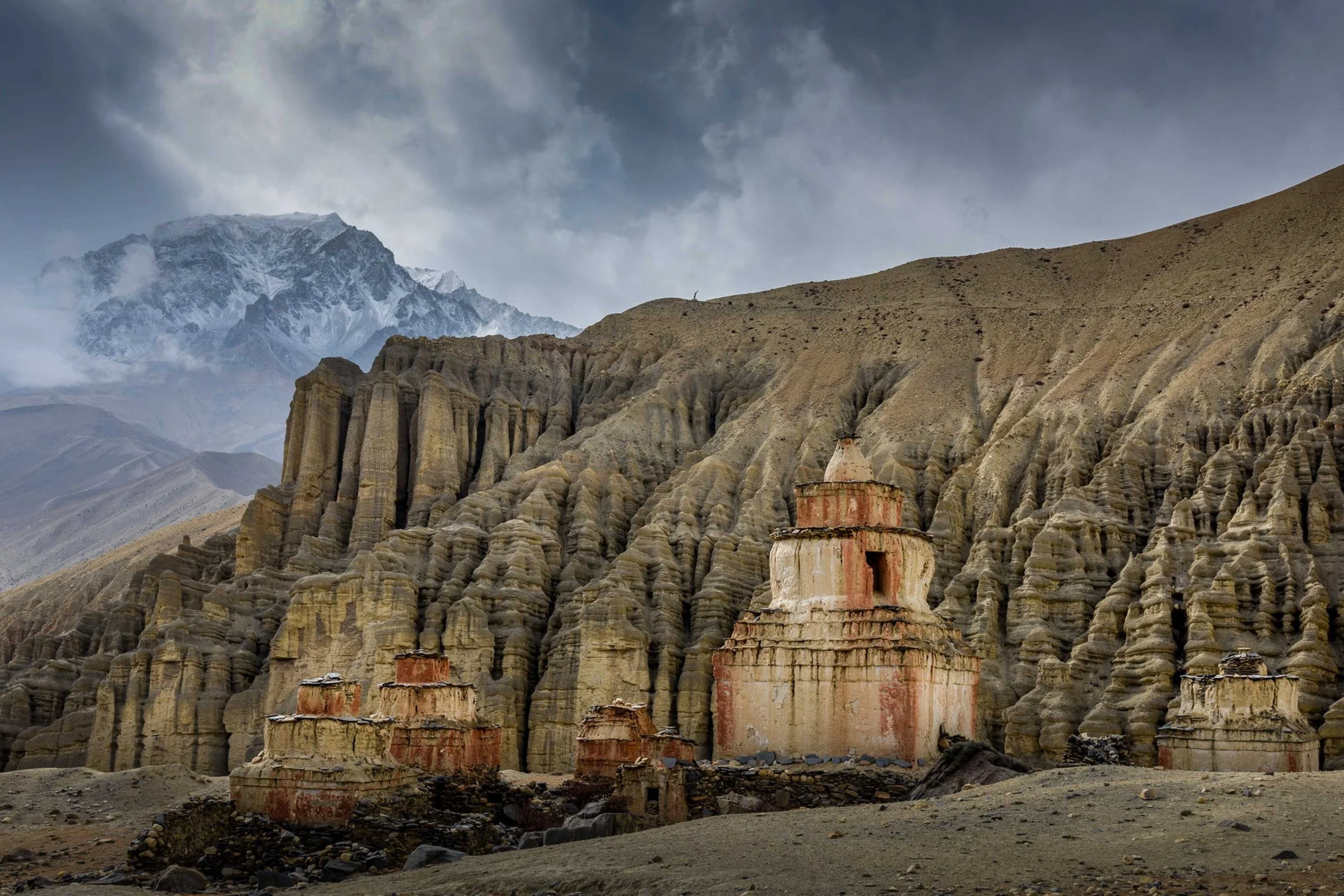
Nepal is home to some of the world's most remarkable cultural landscapes.
Ancient cities, traditional settlements, sacred sites and historic architecture continue to function as living environments where communities work, worship, celebrate and preserve traditions that have evolved over centuries.
Location Nepal Global Learning partners with universities to create immersive heritage conservation and architecture programs where students learn through observation, documentation, dialogue and direct engagement with living heritage.
Students do not simply study historic places.
They experience how heritage continues to shape contemporary society.
WHY STUDY HERITAGE CONSERVATION IN NEPAL
A Living Museum Without Walls
Nepal offers an exceptional environment for understanding the relationship between history, architecture, culture and community.
Students can explore:
Historic city centres.
Traditional settlements.
Sacred architecture.
Public spaces.
Traditional building techniques.
Urban transformation.
Conservation practices.
Craft traditions.
Cultural landscapes.
Rather than studying heritage as something frozen in time, students experience places where history continues to influence everyday life.
LEARNING THROUGH PLACE
Architecture As A Record Of Human Experience
Buildings tell stories.
Streets reveal history.
Public spaces reflect culture.
This program encourages students to examine how architecture responds to geography, religion, climate, materials and community needs.
Learning experiences may include:
Architectural observation.
Urban walks.
Heritage interpretation.
Historic neighbourhood studies.
Documentation exercises.
Sketching.
Photography.
Guest discussions.
Reflection sessions.
Students learn to see architecture as both a physical structure and a cultural expression.
WHAT STUDENTS CAN EXPLORE
Connecting Heritage With Contemporary Society
Historic Architecture
Study traditional building styles, construction methods and architectural evolution.
Living Heritage
Understand how communities continue to preserve cultural traditions within historic environments.
Urban Conservation
Explore the balance between preservation, development and modern urban life.
Traditional Craftsmanship
Discover the skills, materials and knowledge that support heritage conservation.
Cultural Landscapes
Examine how natural environments and human settlements shape one another.
Heritage Management
Learn about the principles and challenges of protecting cultural resources for future generations.
Visual Documentation
Develop skills in photography, mapping, field recording and heritage interpretation.
LEARNING THROUGH PEOPLE
Heritage Is Preserved By Communities
Historic places remain meaningful because people continue to care for them.
Depending on program objectives, students may engage with:
Architects.
Conservation specialists.
Traditional artisans.
Historians.
Community leaders.
Researchers.
Educators.
Heritage professionals.
Creative practitioners.
Students gain valuable insight into how heritage conservation depends upon collaboration between communities, professionals and institutions.
A MULTIDISCIPLINARY PROGRAM
Heritage Connects Many Academic Disciplines
This program supports a wide range of university departments.
Including:
Architecture.
Historic Preservation.
Heritage Conservation.
Urban Planning.
Anthropology.
History.
Archaeology.
Geography.
Art History.
Tourism.
Photography.
Documentary Film.
Cultural Studies.
Landscape Architecture.
Students develop interdisciplinary perspectives by exploring how heritage influences culture, identity, development and sustainability.
FIELD LEARNING EXPERIENCES
Every Historic Place Has Something To Teach
Examples of learning experiences include:
Architectural documentation.
Historic city walks.
Community conversations.
Photography assignments.
Conservation discussions.
Traditional craft demonstrations.
Sketching exercises.
Urban observation.
Reflection workshops.
Independent research projects.
Programs are developed collaboratively according to academic objectives and faculty priorities.
THE LOCATION NEPAL LEARNING NETWORK
Connecting Students With Heritage Knowledge
Location Nepal Global Learning works with a growing network of professionals and organisations involved in heritage, culture and conservation.
Students may engage with:
Architects.
Conservation practitioners.
Historians.
Researchers.
Traditional artisans.
Community organisations.
Creative professionals.
Educators.
Cultural practitioners.
This network enriches academic learning through authentic local knowledge and practical experience.
OUR EXPERIENCE
Built Upon Years Of Cultural Documentation
Location Nepal Global Learning builds upon decades of experience documenting Nepal's historic cities, cultural landscapes, architecture and living traditions.
Our wider creative network has contributed to documentary productions, editorial publications, photographic archives and cultural storytelling initiatives that celebrate Nepal's rich heritage.
This experience helps us create academic programs grounded in authenticity, respect and professional field coordination.
WHO THIS PROGRAM IS FOR
Designed For Universities Exploring Heritage And Architecture
Suitable for:
Architecture Schools.
Historic Preservation Programs.
Heritage Conservation Courses.
Urban Planning Departments.
History Programs.
Archaeology Departments.
Art History.
Anthropology.
Landscape Architecture.
Faculty Led Global Learning Programs.
CUSTOMIZE YOUR PROGRAM
Every Heritage Program Is Different
Programs can be developed according to:
Academic objectives.
Student level.
Program duration.
Regional focus.
Research interests.
Documentation methods.
Learning outcomes.
Institutional priorities.
Whether your focus is architecture, conservation, urban planning or cultural heritage, every program is created collaboratively to support your curriculum.
FREQUENTLY ASKED QUESTIONS
Is this an architecture tour?
No.
This is an academic field program designed around heritage conservation, architecture and experiential learning.
Can students complete documentation projects?
Yes.
Programs may include architectural recording, photography, mapping, field notes and independent research according to academic objectives.
Is prior architecture experience required?
No.
Programs can be adapted for undergraduate, graduate and interdisciplinary student groups.
Can the program include traditional craftsmanship?
Yes.
Where appropriate, students may learn about traditional building knowledge, materials and craftsmanship through responsible educational engagement.
Can this program be combined with anthropology or documentary filmmaking?
Absolutely.
Many universities combine architecture, heritage, anthropology, photography and documentary storytelling within a single interdisciplinary program.
RELATED PROGRAMS
Students interested in this program may also explore:
Anthropology And Cultural Studies
Documentary Filmmaking And Visual Storytelling
Climate Change And Himalayan Futures
Photography And Visual Communication
Sustainable Tourism And Community Development
Independent Research And Capstone Projects
Heritage Connects The Past With The Future
Historic places are more than collections of buildings.
They are living records of human creativity, resilience and identity.
Location Nepal Global Learning helps universities create heritage conservation and architecture programs that connect students with places, communities and professionals working to understand and protect cultural heritage.
If your department is considering a heritage conservation, architecture or historic preservation field program in Nepal, we would welcome the opportunity to help design an academically rigorous and professionally coordinated learning experience.
Together, we can create programs that inspire deeper appreciation for culture, architecture and the shared responsibility of preserving heritage.
Heritage is not simply preserved in monuments.
It lives through people, places and traditions.
Location Nepal Global Learning connects universities with Nepal's remarkable cultural landscapes to create field experiences that deepen understanding of architecture, conservation and living heritage.
Nepal is the Classroom.
Experience is the Curriculum.