
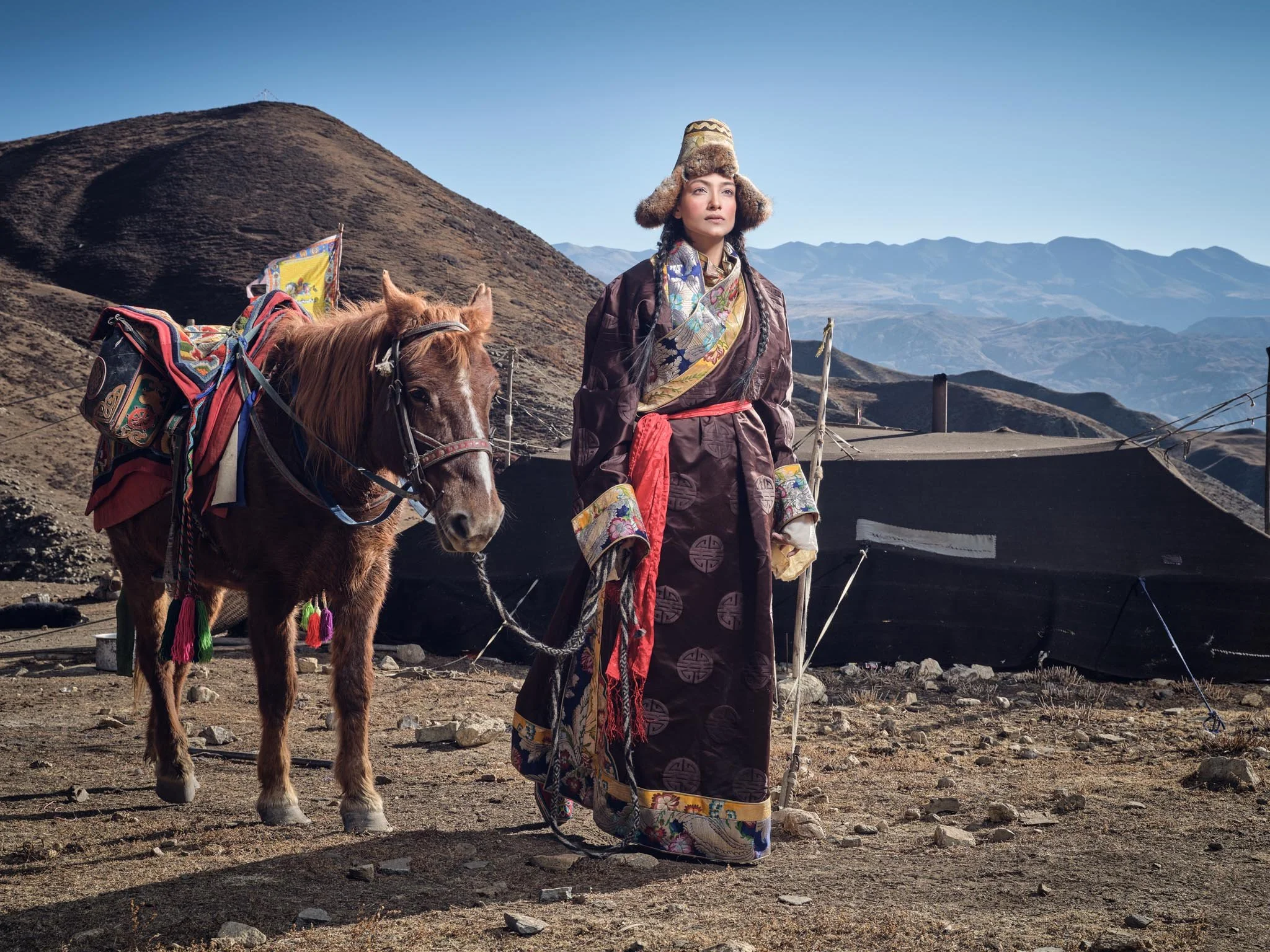
Nepal Destination Resources & Frequently Asked Questions
Understanding Nepal Before Your Global Learning Experience
Nepal Is More Than A Destination.
It Is A Living Classroom Of Landscapes, Cultures And Human Experiences.
Choosing a global learning destination is about more than selecting a place on a map.
It is about discovering an environment that supports curiosity, exploration and meaningful academic engagement.
Nepal offers an extraordinary setting for students and universities because of its remarkable diversity.
Within one country, students can explore Himalayan landscapes, ancient cities, biodiversity hotspots, rural communities, cultural traditions, creative industries and rapidly changing social environments.
Location Nepal Global Learning helps universities and students understand Nepal not only as a travel destination, but as a place of learning.
Through academic programs, field experiences and meaningful local connections, students discover how geography, culture, environment and communities shape the world around them.
Nepal provides the context.
Experience creates the learning.
Discovering Nepal As A Global Learning Environment
Before beginning an international academic experience, students, faculty members and families naturally have questions.
Understanding the destination helps create stronger preparation and deeper engagement.
This resource explores important aspects of Nepal including:
Geography.
Climate.
Culture.
Communities.
Languages.
Food.
Transportation.
Communication.
Daily life.
Academic opportunities.
Nepal is a country of extraordinary contrasts.
From the world's highest mountains to historic cities, from protected forests to diverse communities, every region offers different perspectives and possibilities for learning.
The more students understand Nepal before arrival, the more meaningful their experience becomes.
Geography, Landscapes And Regions Of Nepal
Understanding The Physical Environment Where Learning Takes Place
Nepal’s geography is one of the reasons it is such a remarkable global learning destination.
Although relatively small in size, Nepal contains an extraordinary range of landscapes, ecosystems and communities.
The country stretches from the lowland plains of the south to the highest mountains on Earth in the north, creating diverse environments where students can explore different academic themes and human experiences.
Understanding Nepal’s geography helps students appreciate how landscapes influence culture, livelihoods, biodiversity and social development.
Where Is Nepal Located?
Nepal is a landlocked country located in South Asia between India and China.
The country sits along the southern slopes of the Himalayan mountain range and is home to some of the world’s highest peaks, including Mount Everest.
Its location has shaped Nepal’s:
Climate.
Biodiversity.
Trade routes.
Cultural exchanges.
Communities.
Natural environments.
Nepal’s position between major civilizations has also contributed to its rich cultural diversity.
What Are The Main Geographic Regions Of Nepal?
Nepal is commonly divided into three broad geographic regions:
Himalayan Region
The Himalayan region includes the high mountain areas of northern Nepal.
This landscape is known for:
Snow covered peaks.
Glaciers.
High altitude ecosystems.
Mountain communities.
Trekking routes.
Traditional Himalayan cultures.
This region provides opportunities to explore climate change, mountain environments, biodiversity and adaptation in challenging landscapes.
Hill Region
The hill region includes valleys, mid mountain landscapes and many of Nepal’s historic settlements.
This area features:
Terraced agriculture.
Forests.
Rivers.
Traditional villages.
Historic cities.
Cultural landscapes.
Many academic programs explore communities, architecture, development, sustainability and social change within these environments.
Terai Region
The Terai region is Nepal’s southern lowland area bordering India.
It includes:
Grasslands.
Wetlands.
Agricultural landscapes.
Subtropical forests.
Wildlife habitats.
The region is important for conservation, biodiversity studies, agriculture and community development.
Why Is Nepal’s Geography Valuable For Learning?
Nepal’s varied landscapes allow students to understand the relationship between environment and society.
Students can explore how geography influences:
Climate.
Culture.
Livelihoods.
Biodiversity.
Migration.
Architecture.
Tourism.
Resource management.
A journey across Nepal is often a journey through different environments, communities and ways of life.
How Does Geography Influence Academic Programs?
The location of a program often depends on academic objectives.
Examples include:
Conservation programs in protected landscapes.
Climate studies in mountain environments.
Cultural studies in historic communities.
Development research in rural areas.
Photography and storytelling programs across diverse regions.
Public health studies in different community settings.
The destination becomes part of the curriculum.
Is Nepal Only A Mountain Destination?
No.
While Nepal is internationally known for the Himalayas, the country offers much more.
Students can experience:
Ancient urban centres.
Forest ecosystems.
Wildlife habitats.
River systems.
Agricultural landscapes.
Creative communities.
Cultural heritage sites.
Contemporary cities.
Nepal’s diversity is one of its greatest educational strengths.
How Does Nepal’s Landscape Support Experiential Learning?
Different environments create different opportunities for observation, research and engagement.
Students can learn through:
Field visits.
Community interaction.
Environmental observation.
Professional engagement.
Research activities.
Creative documentation.
The landscape itself becomes a learning resource.
Why Is Understanding Geography Important Before Arrival?
Knowing Nepal’s geography helps students prepare for:
Different climates.
Travel times.
Field conditions.
Regional differences.
Cultural diversity.
Academic opportunities.
A better understanding of place creates a deeper connection with the learning experience.
Climate, Seasons And Best Times To Visit Nepal
Understanding Weather Conditions For Academic Planning And Field Experiences
Nepal’s climate is as diverse as its geography.
Because of the country’s dramatic variation in altitude, weather conditions can differ significantly between regions at the same time of year.
Understanding Nepal’s seasons helps universities, faculty members and students plan programs that match academic objectives, field activities and travel requirements.
What Is The Climate Like In Nepal?
Nepal experiences several climatic zones ranging from subtropical conditions in the lowlands to alpine environments in the mountains.
Climate varies according to:
Altitude.
Location.
Season.
Landscape.
Mountain conditions.
A student travelling from the Terai plains to the Himalayas may experience completely different environments within a relatively short distance.
What Are The Main Seasons In Nepal?
Nepal generally experiences four main seasons:
Spring
March to May
Spring is one of the most popular periods for academic field programs.
Students may experience:
Comfortable temperatures.
Blooming landscapes.
Clear mountain views.
Active cultural events.
Excellent conditions for many outdoor learning activities.
Spring is often suitable for programs involving:
Photography.
Environmental studies.
Cultural exploration.
Field research.
Summer And Monsoon
June to September
The summer months include the monsoon season.
Characteristics include:
Rainfall.
Lush green landscapes.
Active rivers.
Agricultural activity.
Changing travel conditions.
The monsoon period can provide valuable learning opportunities related to:
Agriculture.
Climate.
Environment.
Water resources.
Community adaptation.
Programs during this season require thoughtful planning around weather and transportation conditions.
Autumn
October to November
Autumn is widely considered one of the best periods for travel and field learning in Nepal.
Students often experience:
Clear skies.
Excellent visibility.
Pleasant temperatures.
Festivals and cultural activities.
Favourable conditions for many outdoor programs.
Autumn is particularly suitable for:
Mountain studies.
Photography.
Research.
Cultural programs.
Community engagement.
Winter
December to February
Winter conditions vary significantly by region.
Students may experience:
Cool temperatures in cities.
Cold mountain environments.
Clear skies.
Unique seasonal landscapes.
Winter can be suitable for:
Cultural studies.
Photography.
Urban research.
Wildlife programs.
Lower altitude field experiences.
Higher altitude programs require additional preparation.
What Is The Best Time For A Faculty Led Program In Nepal?
There is no single best season for every academic discipline.
The ideal timing depends on:
Learning objectives.
Research focus.
Locations involved.
Student requirements.
Field activities.
Examples:
Wildlife and conservation programs may consider seasonal animal activity and habitat conditions.
Mountain programs may consider weather and accessibility.
Cultural programs may align with festivals and community events.
Research projects may depend on specific environmental or social factors.
Can Programs Be Conducted During The Monsoon Season?
Yes.
Monsoon does not mean programs cannot take place.
In fact, it offers unique learning opportunities.
Students may explore:
Climate systems.
Agriculture.
Water resources.
Environmental change.
Community adaptation.
However, programs should be planned carefully considering:
Travel routes.
Weather conditions.
Field locations.
Flexible scheduling.
How Should Students Prepare For Nepal’s Climate?
Students should prepare according to their specific program location and season.
Preparation may include:
Appropriate clothing.
Comfortable footwear.
Weather protection.
Sun protection.
Personal health requirements.
Layered clothing for changing conditions.
Students travelling across different regions should be prepared for varied environments.
Does Climate Affect Program Planning?
Yes.
Seasonal conditions influence:
Travel schedules.
Field activities.
Accommodation requirements.
Location selection.
Student preparation.
A well planned program considers climate as part of the academic experience rather than simply a travel factor.
Why Is Seasonal Planning Important For Global Learning?
The right timing helps students experience Nepal safely and meaningfully.
Understanding seasons allows universities to create programs where:
Field conditions support learning.
Students are better prepared.
Activities are realistic.
Academic goals are achievable.
Nepal’s changing seasons are part of what makes it such a valuable living classroom.
Culture, Diversity And Social Life In Nepal
Understanding The People And Traditions That Shape The Learning Experience
Nepal’s greatest strength as a global learning destination is not only its landscapes.
It is its people.
With hundreds of ethnic communities, multiple languages, diverse traditions and centuries of cultural exchange, Nepal offers students an opportunity to explore how history, identity and communities shape the human experience.
For students, understanding Nepal’s culture creates deeper connections and more meaningful learning.
How Culturally Diverse Is Nepal?
Nepal is home to extraordinary cultural diversity.
The country includes many:
Ethnic communities.
Languages.
Religious traditions.
Festivals.
Art forms.
Architectural styles.
Social practices.
This diversity has developed through generations of interaction between different communities, landscapes and historical influences.
What Cultural Experiences Can Students Explore In Nepal?
Depending on academic objectives, students may explore:
Traditional communities.
Historic cities.
Religious sites.
Local festivals.
Craft traditions.
Architecture.
Food culture.
Music and performing arts.
Contemporary creative industries.
Culture in Nepal is not only found in museums.
It continues to exist through everyday life.
What Religions Are Practiced In Nepal?
Nepal has a long history of diverse religious traditions.
Students may encounter influences from:
Hindu traditions.
Buddhist traditions.
Indigenous belief systems.
Other faith communities.
Many communities have developed unique cultural practices where different traditions coexist and influence one another.
How Do Communities Differ Across Nepal?
Communities in Nepal vary significantly depending on geography, history and lifestyle.
Students may encounter differences between:
Mountain communities.
Hill settlements.
Urban populations.
Terai communities.
Indigenous groups.
Traditional villages.
Contemporary cities.
These differences provide opportunities to understand how people adapt to their environments and changing social conditions.
What Languages Are Spoken In Nepal?
Nepal is a multilingual country.
Nepali is the official language and is widely spoken.
However, many communities also speak their own languages and dialects.
Students may encounter:
Local languages.
Regional variations.
Traditional forms of communication.
Language diversity is an important part of Nepal’s cultural identity.
How Should Students Approach Cultural Differences?
Students should approach cultural experiences with:
Curiosity.
Respect.
Humility.
Open mindedness.
Willingness to learn.
International learning is not about comparing one culture against another.
It is about understanding different ways of seeing and experiencing the world.
What Is Daily Life Like In Nepal?
Daily life varies greatly between urban and rural areas.
Students may experience:
Traditional neighbourhoods.
Modern cities.
Local markets.
Community gatherings.
Family traditions.
Contemporary lifestyles.
Nepal combines ancient traditions with rapid social and economic change.
This creates a fascinating environment for students studying culture, development, business, media and society.
How Can Students Build Meaningful Cultural Connections?
Meaningful connections often come through genuine interaction.
Students can engage by:
Listening.
Asking questions.
Participating respectfully.
Learning local customs.
Spending time with communities.
Approaching experiences as learners rather than observers.
The strongest cultural learning happens through relationships.
Why Is Cultural Understanding Important For Global Learning?
Culture shapes how people understand:
Environment.
Community.
Identity.
History.
Social change.
Human relationships.
A deeper understanding of Nepal’s culture allows students to engage more responsibly and gain greater value from their academic experience.
Nepal is not only a place students visit.
It is a place where students can learn from people, perspectives and living traditions.
Language, Communication And Staying Connected
Understanding How Students Communicate During Their Nepal Experience
Communication is an important part of any international learning experience.
Being able to connect with faculty members, local partners, classmates, family and communities helps students feel more confident and engaged throughout their time in Nepal.
Nepal offers a welcoming environment for international visitors, and with some preparation, students can communicate effectively across different settings.
What Language Is Spoken In Nepal?
Nepali is the official language of Nepal and is widely spoken throughout the country.
However, Nepal is multilingual, with many communities speaking their own local languages and dialects.
Students may encounter:
Nepali.
Regional languages.
Indigenous languages.
English in academic, tourism and professional environments.
Language diversity is an important reflection of Nepal’s cultural richness.
Can Students Communicate In English In Nepal?
Yes.
English is commonly used in many areas connected to:
Universities.
Hotels.
Tourism.
Professional organisations.
Academic institutions.
Creative industries.
In rural and community settings, English availability may vary.
Students are encouraged to approach communication with patience, respect and curiosity.
Do Students Need To Learn Nepali Before Arriving?
Students do not need to be fluent in Nepali before travelling.
However, learning a few basic phrases can be valuable.
Simple greetings and expressions can help students:
Build connections.
Show respect.
Create positive interactions.
Understand local culture.
Even small efforts to communicate in the local language are often appreciated.
How Can Students Communicate With Local Communities?
Meaningful communication is not only about language.
It also involves:
Listening carefully.
Showing respect.
Observing social cues.
Being patient.
Asking thoughtful questions.
Using appropriate communication styles.
Students often discover that curiosity and openness are powerful tools for connection.
What Communication Challenges Might Students Experience?
Students may occasionally encounter differences in:
Language.
Communication styles.
Social expectations.
Expressions.
Conversation patterns.
These differences are a natural part of international learning.
With patience and cultural awareness, students can turn communication challenges into learning opportunities.
How Do Students Stay Connected With Family And Universities?
Communication options in Nepal are generally accessible.
Students can stay connected through:
Mobile networks.
Internet services.
Messaging applications.
Email.
University communication platforms.
Availability may vary depending on location, especially in remote areas.
Programs involving rural or mountain environments should consider communication planning as part of preparation.
Is Internet Access Available In Nepal?
Internet access is widely available in cities, towns and many academic or tourism locations.
Students can typically access:
WiFi.
Mobile data.
Online communication platforms.
Connectivity may be more limited in remote areas.
Students should understand that field based experiences may involve temporary changes in digital access.
Should Students Buy A Local SIM Card In Nepal?
Many international students choose to use local mobile services during their stay.
Options may include:
Local SIM cards.
Mobile data packages.
International roaming.
Students should follow university and program guidance regarding communication arrangements.
A reliable communication option can be useful for:
Daily coordination.
Navigation.
Emergency contact.
Staying connected with family.
How Should Students Approach Communication Differences?
International learning requires flexibility.
Students should remember:
Not every interaction will happen in the same way as at home.
Different communication styles do not mean ineffective communication.
Respect, patience and willingness to understand are essential.
Why Is Communication Important For Global Learning?
Communication creates connection.
It allows students to:
Learn from people.
Build relationships.
Navigate new environments.
Participate confidently.
Develop cross cultural understanding.
The ability to communicate across differences is one of the most valuable skills students develop through international education.
Food, Accommodation And Daily Life In Nepal
Understanding Everyday Experiences During A Global Learning Program
Daily life is an important part of any international learning experience.
Beyond classrooms and field activities, students learn through everyday interactions, local routines and the environments where they live.
Understanding food, accommodation and daily life helps students arrive with realistic expectations and greater confidence.
What Is Food Like In Nepal?
Nepal has a rich and diverse food culture influenced by geography, traditions and communities.
Students may experience:
Traditional Nepali cuisine.
Regional specialties.
Vegetarian options.
International food options.
Modern urban dining.
Food experiences vary significantly between cities, rural areas and mountain regions.
What Is Traditional Nepali Food?
Some common foods students may encounter include:
Dal Bhat.
Momos.
Thukpa.
Sel roti.
Local breads.
Vegetable dishes.
Pickles and traditional accompaniments.
Food is an important part of Nepal’s social and cultural life.
Meals often represent hospitality, community and connection.
Can Students Find International Food In Nepal?
Yes.
Major cities such as Kathmandu and Pokhara offer a wide range of dining options.
Students can find:
International restaurants.
Cafes.
Vegetarian restaurants.
Bakeries.
Modern food outlets.
Food availability may be more limited in rural or remote areas, where local cuisine becomes a more important part of the experience.
Can Students With Dietary Requirements Participate?
Yes.
Students should communicate dietary requirements before arrival through their university or program team.
Considerations may include:
Food allergies.
Vegetarian or vegan diets.
Religious dietary requirements.
Medical dietary needs.
Program planning can take dietary considerations into account wherever possible.
What Is Accommodation Like During Programs?
Accommodation depends on the type of program, location and academic objectives.
Students may stay in:
Hotels.
Guesthouses.
Student residences.
Lodges.
Community based accommodation.
Research field locations.
Accommodation selection considers:
Safety.
Accessibility.
Comfort.
Program requirements.
Group needs.
Do Students Stay In Rural Or Community Settings?
Some programs may include rural or community based experiences depending on academic goals.
These experiences can provide valuable learning opportunities through:
Local interaction.
Cultural exchange.
Community understanding.
Field research.
Students should understand that accommodation standards and facilities may differ from urban environments.
What Should Students Expect From Daily Life In Nepal?
Daily life in Nepal can be different from what students experience at home.
Students may notice differences in:
Pace of life.
Transportation.
Infrastructure.
Food culture.
Social interactions.
Communication styles.
These differences are part of the learning experience.
Is Nepal Affordable For Students?
Nepal is generally considered a relatively affordable destination compared with many international study locations.
However, student expenses depend on:
Lifestyle.
Location.
Personal choices.
Program structure.
Students should plan according to their university guidance and individual needs.
What Should Students Bring For Daily Life?
Students should consider bringing:
Comfortable clothing.
Appropriate footwear.
Personal essentials.
Required medications.
Technology needs.
Weather appropriate items.
Program specific materials.
Packing requirements depend on the season, location and academic activities.
How Can Students Adapt To Daily Life In Nepal?
The best approach is curiosity and flexibility.
Students can adapt by:
Trying local experiences.
Respecting local customs.
Being open to differences.
Asking questions.
Participating actively.
International learning becomes richer when students engage with everyday life rather than simply passing through it.
Why Is Daily Life An Important Part Of Global Learning?
Learning does not only happen during planned activities.
It also happens through:
Sharing meals.
Walking through communities.
Observing daily routines.
Meeting people.
Experiencing different ways of living.
Everyday experiences often become some of the most memorable lessons students take home.
Transportation, Accessibility And Getting Around Nepal
Understanding Travel Within Nepal During Academic Programs
Transportation is an important part of planning any field based learning experience.
Nepal’s geography creates unique opportunities for exploration, but it also means travel between locations can vary significantly depending on terrain, season and infrastructure.
Understanding transportation options helps students and universities prepare realistically for movement between learning environments.
How Do Students Travel Within Nepal?
Transportation options depend on the location, academic objectives and group requirements.
Students may travel by:
Private vehicles.
Tourist buses.
Domestic flights.
Local transportation.
Walking and field routes.
The appropriate method is selected according to:
Safety.
Accessibility.
Group size.
Travel distance.
Program requirements.
Is Transportation In Nepal Different From Other Countries?
Students may notice differences in:
Road conditions.
Travel times.
Traffic patterns.
Driving styles.
Infrastructure.
These differences are part of adapting to a new environment.
Programs are planned with realistic travel expectations and appropriate local coordination.
Are Roads In Nepal Suitable For Student Programs?
Road conditions vary significantly across the country.
Urban areas generally have more developed transportation networks, while rural and mountain regions may involve more challenging terrain.
Travel planning considers:
Road conditions.
Weather.
Distance.
Vehicle suitability.
Seasonal changes.
Students should understand that journey time in Nepal may be different from what they expect based on distance alone.
Are Domestic Flights Available In Nepal?
Yes.
Domestic flights connect Kathmandu with several destinations across Nepal.
Air travel may be useful for:
Remote regions.
Mountain areas.
Time sensitive programs.
Locations where road travel requires significant time.
Flight schedules can be affected by:
Weather.
Visibility.
Local conditions.
Programs are planned with appropriate flexibility.
Can Students Travel Independently During Programs?
Independent travel policies depend on university guidelines and program structures.
Faculty led programs generally include clear expectations regarding:
Student movement.
Free time.
Safety procedures.
Communication.
Students should follow the policies established by their university and program leaders.
How Is Transportation Planned For Field Activities?
Transportation planning considers:
Academic objectives.
Number of participants.
Location requirements.
Travel duration.
Accessibility.
Environmental conditions.
Field schedules.
The aim is to support learning while ensuring practical and responsible movement.
Are Remote Areas Accessible For Research And Learning?
Yes.
Many meaningful academic experiences take place outside major cities.
Remote locations may require additional planning related to:
Travel time.
Accommodation.
Communication.
Weather.
Local coordination.
These environments often provide some of Nepal’s most valuable learning opportunities.
What Should Students Expect During Long Journeys?
Students should be prepared for:
Changing landscapes.
Different road conditions.
Longer travel times.
Unexpected delays.
New environments.
Travel itself can become part of the learning experience.
Many students discover that journeys between locations provide valuable opportunities to observe Nepal’s geography, communities and daily life.
How Does Transportation Support Experiential Learning?
Movement between locations allows students to understand connections between:
Landscapes.
Communities.
Economies.
Cultures.
Environmental systems.
Transportation is not only a practical requirement.
It is often part of the educational experience.
Why Is Local Transportation Knowledge Important?
Local knowledge helps programs make better decisions regarding:
Routes.
Timing.
Seasonal conditions.
Alternative options.
Field requirements.
A trusted local partner helps universities navigate practical realities and create smoother learning experiences.
Currency, Costs And Financial Preparation
Understanding Expenses During A Global Learning Experience In Nepal
Financial preparation helps students participate more confidently in an international academic program.
Understanding Nepal’s currency, payment options and general costs allows students to plan responsibly and focus more fully on their learning experience.
Program costs are generally communicated clearly by universities and program organisers, while students should also consider personal expenses during their stay.
What Currency Is Used In Nepal?
The official currency of Nepal is the Nepalese Rupee (NPR).
Students may see prices displayed using:
NPR.
Nepali Rupees.
Rs.
The value of the currency changes over time, so students should check current exchange rates before travelling.
Can Students Use International Bank Cards In Nepal?
International cards are accepted in many urban areas, especially at:
Hotels.
Restaurants.
Shopping centres.
Tourism businesses.
Larger service providers.
However, card acceptance may be more limited in:
Rural areas.
Small businesses.
Remote field locations.
Students should plan accordingly and carry appropriate payment options.
Should Students Carry Cash In Nepal?
Yes.
Cash remains useful in many situations.
Students may need cash for:
Local purchases.
Small restaurants.
Markets.
Transportation.
Remote locations.
Personal expenses.
The amount required depends on the program location and duration.
Can Students Exchange Foreign Currency In Nepal?
Yes.
Foreign currency exchange services are available in major cities and tourism areas.
Students should use authorised exchange services and follow university guidance regarding money management.
Is Nepal An Expensive Destination For Students?
Nepal is generally considered an affordable destination compared with many international study locations.
However, personal spending varies depending on:
Lifestyle choices.
Shopping habits.
Travel preferences.
Food choices.
Free time activities.
Students should budget according to their own needs.
What Personal Expenses Should Students Consider?
Students may wish to budget for:
Personal meals outside the program.
Snacks and drinks.
Souvenirs.
Local experiences.
Additional transportation.
Personal shopping.
Communication costs.
Optional activities.
The exact amount depends on individual preferences.
Should Students Inform Their Bank Before Travelling?
Yes.
Students should consider informing their bank before international travel.
This can help avoid issues with:
Card security restrictions.
International transactions.
Payment access.
Students should follow the advice of their financial institution.
Are ATMs Available In Nepal?
ATMs are widely available in cities and major towns.
Availability may be more limited in remote areas.
Students travelling to rural or mountain locations should consider their program guidance regarding access to cash and financial preparation.
How Can Students Manage Money Safely?
Students should:
Keep important financial information secure.
Avoid carrying unnecessary amounts of cash.
Use reliable payment methods.
Follow university guidance.
Maintain emergency funds where appropriate.
Responsible financial planning supports a smoother experience.
Should Students Budget For Additional Program Related Costs?
Depending on the academic program, students may need to consider possible additional costs related to:
Special equipment.
Research materials.
Personal supplies.
Additional field requirements.
Specific academic activities.
Universities typically provide guidance regarding program related expenses.
Why Is Financial Preparation Important?
Understanding costs before arrival reduces uncertainty.
When students are financially prepared, they can focus more on:
Learning.
Exploration.
Community engagement.
Academic participation.
A well prepared student is better positioned to make the most of their Nepal experience.
Technology, Internet Access And Digital Connectivity
Staying Connected While Learning In Nepal
Technology plays an important role in modern academic experiences.
Students use digital tools for communication, research, documentation, assignments and staying connected with their universities and families.
Understanding Nepal’s digital environment helps students prepare appropriately before arrival.
Is Internet Access Available In Nepal?
Yes.
Internet access is widely available in cities, towns and many academic or tourism areas.
Students can commonly access:
WiFi.
Mobile internet.
Online communication platforms.
Digital learning resources.
Connectivity may vary depending on location, especially in remote mountain or rural environments.
Can Students Use Mobile Data In Nepal?
Yes.
Many students use local mobile data services during their stay.
Options may include:
Local SIM cards.
Mobile data packages.
International roaming.
Students should follow university guidance regarding communication arrangements.
Should Students Buy A Local SIM Card?
Many international students choose to purchase a local SIM card because it can provide convenient access to:
Mobile data.
Local communication.
Navigation tools.
Emergency contact.
Daily coordination.
Students should ensure their device is compatible with local networks and follow any university recommendations.
Will My Phone Work In Nepal?
Most unlocked smartphones can work with Nepalese mobile networks.
Before travelling, students should check:
Whether their phone is unlocked.
Network compatibility.
International roaming options.
SIM card requirements.
Preparing technology before departure helps avoid unnecessary communication issues.
Do Students Need A Laptop For A Nepal Learning Program?
The requirement depends on the academic program.
Students may need a laptop or other device for:
Research.
Assignments.
Presentations.
Photography or filmmaking projects.
Data management.
Online communication.
Universities usually provide program specific guidance before departure.
Is Electricity Reliable In Nepal?
Electricity availability has improved significantly in Nepal, especially in urban areas.
However, students should understand that:
Remote locations may have different conditions.
Power availability can vary.
Field environments may require additional preparation.
Programs involving rural or mountain areas consider these factors during planning.
Do I Need A Power Adapter For Nepal?
Yes, students should check their devices before travelling.
Nepal uses a 220 volt electrical system, while many countries use 110 volts.
Students should make sure their adapters, chargers and power supply cords are compatible with Nepal’s voltage requirements.
A universal travel adapter can be useful for many international travellers.
Students should consider:
Charging requirements.
Number of devices.
Battery backup options.
Keeping essential chargers accessible.
Simple preparation can prevent unnecessary inconvenience during the program.
Are Power Outlets The Same As My Home Country?
Not always.
Nepal commonly uses plug types that may differ from those used in other countries.
Students should check:
Device compatibility.
Plug requirements.
Adapter needs.
Voltage requirements.
A small amount of preparation ensures students can continue using essential devices comfortably.
How Should Students Protect Their Digital Information?
Students should practice responsible digital security.
Consider:
Using secure passwords.
Backing up important files.
Protecting devices.
Keeping university information secure.
Using trusted networks where possible.
This is especially important for students conducting research, photography or documentation projects.
Can Students Use Online Learning Platforms In Nepal?
Yes.
Students can generally access:
University portals.
Cloud storage.
Email.
Online research resources.
Communication platforms.
Access may vary by location, but most programs can support necessary academic connectivity.
Why Is Digital Preparation Important?
Technology supports learning, but it should not become a barrier.
Preparing devices, connectivity options and digital requirements before arrival allows students to focus on:
Research.
Creative work.
Field experiences.
Academic engagement.
A prepared digital setup helps create a smoother learning experience in Nepal.
Safety, Health And Responsible Participation In Nepal
Preparing Students For A Safe And Meaningful Learning Experience
Understanding safety and health considerations helps students participate confidently in their Nepal experience.
Like any international destination, Nepal has its own environments, conditions and practical considerations.
With appropriate preparation, responsible behaviour and support systems, students can engage fully in academic, cultural and field based learning experiences.
Is Nepal Safe For International Students?
Yes.
Nepal welcomes students, researchers and visitors from around the world.
As with any international experience, students should remain aware of their surroundings and follow responsible travel practices.
Programs are designed with consideration for:
Student wellbeing.
Local conditions.
Program activities.
Communication systems.
Responsible engagement.
What General Safety Practices Should Students Follow?
Students should:
Follow university guidance.
Stay aware of their surroundings.
Respect local customs.
Communicate concerns early.
Take care of personal belongings.
Follow program schedules and instructions.
Simple awareness and responsible behaviour contribute greatly to a positive experience.
Are There Health Considerations For Students Travelling To Nepal?
Students should prepare according to their individual health needs and program requirements.
Preparation may include:
Consulting healthcare professionals before travel.
Reviewing routine vaccinations.
Preparing personal medication.
Understanding environmental conditions.
Carrying relevant health information.
Students should follow guidance from their university and healthcare providers.
Are There Altitude Considerations In Nepal?
Some programs may include higher altitude environments.
Students should understand that altitude conditions vary significantly depending on location.
Programs involving mountain regions consider:
Altitude.
Travel pace.
Physical requirements.
Weather.
Student preparation.
Students should communicate any health concerns before participation.
What Should Students Know About Food And Water?
Students may experience different food and water environments compared with home.
Responsible preparation includes:
Following program guidance.
Maintaining good hygiene practices.
Choosing appropriate food and water sources.
Communicating dietary requirements.
Food experiences are an important part of cultural learning, and students can enjoy Nepal’s diverse cuisine while remaining mindful of personal health needs.
How Can Students Stay Healthy During The Program?
Students can support their wellbeing by:
Maintaining good hydration.
Getting appropriate rest.
Managing personal health needs.
Adapting gradually to new environments.
Following local and program guidance.
International learning requires both curiosity and self awareness.
What If A Student Has Specific Health Or Accessibility Requirements?
Students should communicate relevant requirements through appropriate university channels before departure.
Early communication helps programs consider:
Medical needs.
Accessibility.
Dietary requirements.
Learning support.
Practical arrangements.
Every student’s wellbeing is important to creating an inclusive experience.
How Should Students Approach Personal Responsibility?
Students play an important role in their own safety.
Responsible participation includes:
Following instructions.
Respecting communities.
Making informed choices.
Communicating concerns.
Supporting fellow students.
Representing their university positively.
A safe learning environment is created through shared responsibility.
Does Nepal Have Emergency Services?
Nepal has emergency services and healthcare facilities, particularly in major cities.
Access may vary depending on location.
Programs involving remote areas include additional planning based on:
Distance.
Communication.
Available facilities.
Travel conditions.
Responsible planning considers the realities of each location.
Why Is Responsible Participation Important?
Safety is not only created through systems and planning.
It is also created through behaviour.
Students who approach Nepal with awareness, respect and flexibility are better prepared to:
Learn effectively.
Build meaningful connections.
Adapt to new situations.
Enjoy their experience.
Responsible participation is an essential part of global learning.
Academic Opportunities And Why Nepal For Global Learning
Understanding Nepal As A Living Classroom For Diverse Disciplines
Nepal offers far more than a destination for travel.
It provides an environment where academic concepts become visible through landscapes, communities, cultures and real world challenges.
For universities and students, Nepal creates opportunities to connect classroom knowledge with direct experience.
The country’s diversity allows global learning programs to explore topics across science, humanities, creativity, sustainability and social development.
Why Is Nepal A Valuable Global Learning Destination?
Nepal offers a unique combination of:
Exceptional biodiversity.
Rich cultural heritage.
Diverse communities.
Changing social environments.
Unique geographic landscapes.
Growing creative industries.
Complex development challenges.
These characteristics allow students to explore academic subjects through real world contexts.
What Academic Disciplines Can Explore Nepal?
Nepal supports learning across many fields, including:
Environmental Science.
Conservation Biology.
Climate Studies.
Anthropology.
Public Health.
Development Studies.
Architecture.
Tourism.
Business and Entrepreneurship.
Photography.
Film and Media.
Journalism.
Geography.
Sustainability Studies.
International Relations.
The country’s interconnected social and environmental systems make it particularly valuable for interdisciplinary learning.
How Does Nepal Support Experiential Learning?
Experiential learning allows students to move beyond theory.
In Nepal, students may learn through:
Field observation.
Community engagement.
Research activities.
Professional conversations.
Creative projects.
Environmental exploration.
Cultural experiences.
Reflection and discussion.
These experiences help students understand how academic ideas connect with real people and places.
What Makes Nepal Different From A Traditional Classroom?
A traditional classroom provides information.
Nepal provides context.
Students can observe:
How communities adapt to environmental change.
How cultures preserve traditions.
How conservation works in practice.
How businesses create local solutions.
How creative professionals tell stories.
How development challenges affect everyday life.
The country itself becomes part of the learning process.
Can Nepal Support Interdisciplinary Programs?
Yes.
Many global challenges cannot be understood from one perspective alone.
Nepal provides opportunities where different disciplines connect.
Examples include:
Climate change and mountain communities.
Conservation and local livelihoods.
Tourism and cultural preservation.
Photography and social documentation.
Public health and community development.
Entrepreneurship and sustainable solutions.
Interdisciplinary learning often creates deeper understanding.
What Types Of Field Experiences Can Students Have?
Depending on academic goals, students may participate in:
Research visits.
Community interactions.
Protected area experiences.
Cultural exploration.
Professional meetings.
Creative documentation.
Workshops.
Reflection sessions.
Independent projects.
Each program is designed according to learning outcomes rather than simply visiting locations.
How Does Nepal Inspire Creative Learning?
Nepal has long attracted photographers, filmmakers, writers and artists because of its:
Landscapes.
Cultures.
People.
Architecture.
Stories.
Changing environments.
Creative students can explore how visual communication, storytelling and artistic expression help people understand the world.
Why Do Students Remember Nepal Experiences?
Students often remember international learning experiences because they create personal connections.
They remember:
Conversations.
Unexpected discoveries.
New perspectives.
Challenges overcome.
Relationships created.
Questions explored.
The strongest learning experiences continue influencing students long after they return home.
How Does Location Nepal Global Learning Design Academic Experiences?
Programs begin with academic objectives.
We work with universities to understand:
Learning outcomes.
Discipline requirements.
Student backgrounds.
Field interests.
Program duration.
Desired experiences.
The goal is to create meaningful academic journeys where Nepal supports the curriculum.
Why Is Nepal More Than A Study Destination?
Nepal is a place where students can explore relationships between:
People and environments.
Culture and identity.
Challenges and solutions.
Knowledge and experience.
A global learning experience in Nepal is not only about seeing a different country.
It is about understanding a different way of experiencing the world.
Sustainable And Responsible Travel In Nepal
Learning Through Respect For People, Places And Environments
Global learning is not only about what students discover.
It is also about how they engage.
Responsible travel encourages students to understand their impact, respect local communities and participate thoughtfully in the places they visit.
Nepal provides extraordinary learning environments, from Himalayan landscapes and protected areas to historic cities and diverse communities.
These environments also carry responsibilities.
What Does Responsible Travel Mean During A Global Learning Program?
Responsible travel means approaching a destination with awareness and respect.
Students are encouraged to:
Understand local contexts.
Respect communities.
Protect natural environments.
Reduce unnecessary impact.
Learn from local knowledge.
Participate thoughtfully.
The goal is meaningful exchange rather than simply visiting places.
How Can Students Respect Local Communities?
Students can support respectful engagement by:
Listening before making assumptions.
Learning local customs.
Asking permission when appropriate.
Respecting privacy.
Approaching interactions with curiosity.
Recognising communities as partners in learning.
Meaningful connections are built through respect and mutual understanding.
How Can Students Reduce Environmental Impact?
Nepal’s landscapes are valuable learning environments that require protection.
Students can contribute through:
Reducing waste.
Using resources responsibly.
Respecting natural areas.
Following environmental guidelines.
Avoiding unnecessary consumption.
Supporting sustainable practices.
Small choices collectively create positive impact.
Are Environmental Considerations Included In Academic Programs?
Yes.
Environmental responsibility is considered wherever relevant to program objectives.
Programs may include learning related to:
Climate change.
Conservation.
Biodiversity.
Sustainable development.
Resource management.
Community adaptation.
Students can understand both environmental challenges and possible solutions.
What Should Students Know About Waste Management In Nepal?
Waste management systems can vary significantly depending on location.
Students may experience differences between:
Major cities.
Tourism areas.
Rural communities.
Remote environments.
Students are encouraged to minimise waste, use resources carefully and understand local environmental realities.
How Should Students Approach Photography And Documentation?
Photography and storytelling can create powerful connections, but they require responsibility.
Students should consider:
Respecting privacy.
Seeking appropriate permission.
Representing people accurately.
Avoiding stereotypes.
Sharing stories thoughtfully.
Images are not only records.
They influence how people understand places and communities.
Can Students Support Local Communities Through Their Programs?
The strongest programs create meaningful exchange rather than one sided interaction.
Students may contribute through:
Knowledge sharing.
Creative projects.
Research.
Learning partnerships.
Academic engagement.
Programs are designed around respect and appropriate collaboration.
Why Is Responsible Travel Important For Students?
Responsible engagement helps students develop:
Cultural awareness.
Environmental understanding.
Ethical decision making.
Global citizenship.
Respect for different perspectives.
These are valuable skills in an interconnected world.
How Does Responsible Travel Connect With Global Learning?
Global learning is about understanding relationships.
Students learn how:
Communities interact with environments.
Cultures evolve.
Challenges are addressed.
Different perspectives shape solutions.
Responsible travel transforms a visit into a meaningful educational experience.
What Makes Nepal A Powerful Place For Responsible Learning?
Nepal brings together:
Fragile mountain ecosystems.
Rich cultural traditions.
Diverse communities.
Rapid social change.
Important environmental challenges.
These realities create opportunities for students to learn not only about Nepal, but also about broader global issues.
A responsible learning experience helps students leave with deeper understanding, greater awareness and a stronger sense of connection.
Planning Your Nepal Experience
Preparing For A Successful Global Learning Journey
A meaningful international learning experience begins before students arrive.
Thoughtful preparation helps students understand what to expect, participate confidently and make the most of their time in Nepal.
Whether students are joining a faculty led program, research experience, creative field course or academic expedition, preparation creates a stronger foundation for learning.
When Is The Best Time To Visit Nepal For A Global Learning Program?
The best time depends on the academic objectives and locations included in the program.
Different seasons offer different opportunities.
Universities should consider:
Climate conditions.
Field locations.
Research requirements.
Academic calendars.
Student comfort.
Program activities.
Nepal can support meaningful learning experiences throughout the year when programs are designed according to seasonal conditions.
How Long Should A Student Program In Nepal Be?
Program duration depends on:
Academic objectives.
Course requirements.
Field activities.
Research goals.
Student schedules.
Many programs range from short intensive experiences to longer field based courses.
The ideal duration allows enough time for:
Learning.
Engagement.
Reflection.
Academic development.
What Should Students Pack For Nepal?
Packing requirements depend on the season, location and program activities.
Students should consider:
Comfortable clothing.
Weather appropriate layers.
Walking shoes.
Personal medication.
Technology requirements.
Travel documents.
Academic materials.
Program specific equipment.
Students travelling to different regions should prepare for changing environments.
What Should Students Know Before Arriving In Nepal?
Students benefit from understanding:
Nepal’s geography.
Cultural diversity.
Local customs.
Weather conditions.
Communication options.
Health preparation.
Program expectations.
The more students understand before arrival, the more confidently they can participate.
How Can Students Prepare Academically Before Arrival?
Preparation is not only practical.
Students should also understand:
Program learning objectives.
Required readings.
Research expectations.
Assignments.
Field activities.
Reflection requirements.
Academic preparation helps students connect experiences in Nepal with their broader studies.
Can Students Combine Learning With Personal Exploration?
Many programs include opportunities for students to experience Nepal beyond scheduled academic activities.
However, personal exploration should always follow:
University policies.
Program guidance.
Safety considerations.
Responsible travel practices.
Balance allows students to enjoy Nepal while maintaining the purpose of the academic experience.
What Should First Time Visitors To Nepal Expect?
Students visiting Nepal for the first time may experience:
New environments.
Different routines.
Unexpected discoveries.
Cultural differences.
Changing landscapes.
These experiences are part of international learning.
Approaching them with curiosity and flexibility creates deeper engagement.
How Can Students Make Their Nepal Experience More Meaningful?
Students can enrich their experience by:
Asking questions.
Engaging with communities.
Keeping reflections.
Participating actively.
Learning from unexpected moments.
Connecting observations with academic interests.
The most valuable experiences often happen when students remain open and curious.
What Should Students Remember Before Travelling?
Nepal is not only a destination to explore.
It is a place to understand.
The strongest global learning experiences happen when students arrive prepared, participate respectfully and approach every interaction as an opportunity to learn.
Preparation creates confidence.
Curiosity creates discovery.
Experience creates understanding.
Frequently Asked Questions About Nepal As A Global Learning Destination
Common Questions From Students, Families And Universities
Choosing a global learning destination involves many considerations.
Students and universities want to understand not only where they will go, but what they can expect from the environment, culture, learning opportunities and practical experience.
These frequently asked questions provide additional guidance for anyone preparing for an academic experience in Nepal.
Why Should Students Choose Nepal For A Global Learning Experience?
Nepal offers an exceptional environment where students can connect academic learning with real world experiences.
The country provides opportunities to explore:
Diverse landscapes.
Rich cultural traditions.
Environmental challenges.
Community experiences.
Research opportunities.
Creative industries.
Social change.
Nepal allows students to understand complex global issues through local perspectives.
Is Nepal Suitable For First Time International Travellers?
Yes.
Many students visit Nepal as their first international experience.
With appropriate preparation and program support, students can confidently participate in academic, cultural and field based learning opportunities.
The experience encourages:
Independence.
Adaptability.
Cross cultural understanding.
Personal growth.
What Makes Nepal Different From Other Study Abroad Destinations?
Nepal offers a unique combination of:
Himalayan landscapes.
Ancient cultural heritage.
Exceptional biodiversity.
Diverse communities.
Strong traditions.
Rapid social transformation.
The country provides opportunities for students to explore relationships between people, environments and global challenges.
Is Nepal Only Suitable For Outdoor Or Adventure Programs?
No.
While Nepal is known internationally for mountains and trekking, it supports a wide range of academic disciplines.
Programs may focus on:
Culture.
Architecture.
Public health.
Business.
Entrepreneurship.
Media.
Photography.
Film.
Development studies.
Conservation.
Research.
Nepal’s value as a learning destination extends far beyond adventure.
Can Students Visit Nepal For Short Term Programs?
Yes.
Short term faculty led programs, field courses and academic expeditions can be designed according to university requirements.
Program length depends on:
Learning objectives.
Academic requirements.
Available time.
Field activities.
Short programs can still create meaningful learning outcomes when carefully designed.
Is Nepal Appropriate For Graduate And Research Students?
Yes.
Nepal provides valuable opportunities for advanced research across many disciplines.
Graduate students may explore:
Independent research.
Field studies.
Capstone projects.
Community based research.
Environmental studies.
Cultural research.
Creative documentation.
Research opportunities are developed according to academic goals.
Can Students From Different Academic Disciplines Study Together In Nepal?
Yes.
Interdisciplinary learning is one of Nepal’s strengths.
Students from different fields can explore shared themes such as:
Climate change.
Sustainability.
Community development.
Culture.
Innovation.
Human relationships with environments.
Different perspectives often create deeper understanding.
What Is The Biggest Learning Outcome Students Gain From Nepal?
Every student experience is different, but many students develop:
Greater confidence.
Cultural awareness.
Critical thinking.
Adaptability.
Global perspective.
New academic interests.
The most valuable outcome is often learning to see the world through different perspectives.
How Can Universities Begin Planning A Nepal Program?
The first step is understanding academic goals.
Universities can begin by considering:
Course objectives.
Student profile.
Program duration.
Field interests.
Learning outcomes.
A conversation with a local academic program partner helps transform ideas into practical experiences.
How Does Location Nepal Global Learning Support Universities?
Location Nepal Global Learning helps institutions develop meaningful academic experiences through:
Local expertise.
Program design.
Field coordination.
Professional connections.
Research support.
Community engagement.
Responsible planning.
Our role is to connect academic objectives with Nepal’s people, places and knowledge systems.
What Is The First Step To Start A Global Learning Experience In Nepal?
The first step is a conversation.
Understanding your academic goals allows us to explore the right locations, connections and experiences for your students.
Nepal offers extraordinary possibilities.
The right preparation helps students discover them.
Discover Nepal As A Living Classroom
A successful global learning experience begins with understanding.
Understanding the destination.
Understanding the people.
Understanding the opportunities.
Nepal offers universities and students an extraordinary environment for exploration, research, creativity and meaningful academic engagement.
Location Nepal Global Learning helps institutions transform Nepal from a destination into a learning experience through carefully designed programs, local connections and responsible field based education.
Whether you are planning a faculty led program, research experience, capstone project or interdisciplinary academic journey, we would welcome the opportunity to understand your goals and explore what we can create together.
A destination becomes meaningful when students are given the opportunity to understand it.
Location Nepal Global Learning connects universities with Nepal’s landscapes, communities and knowledge systems to create experiences that inspire curiosity, learning and global understanding.
Nepal is the Classroom.
Experience is the Curriculum.