
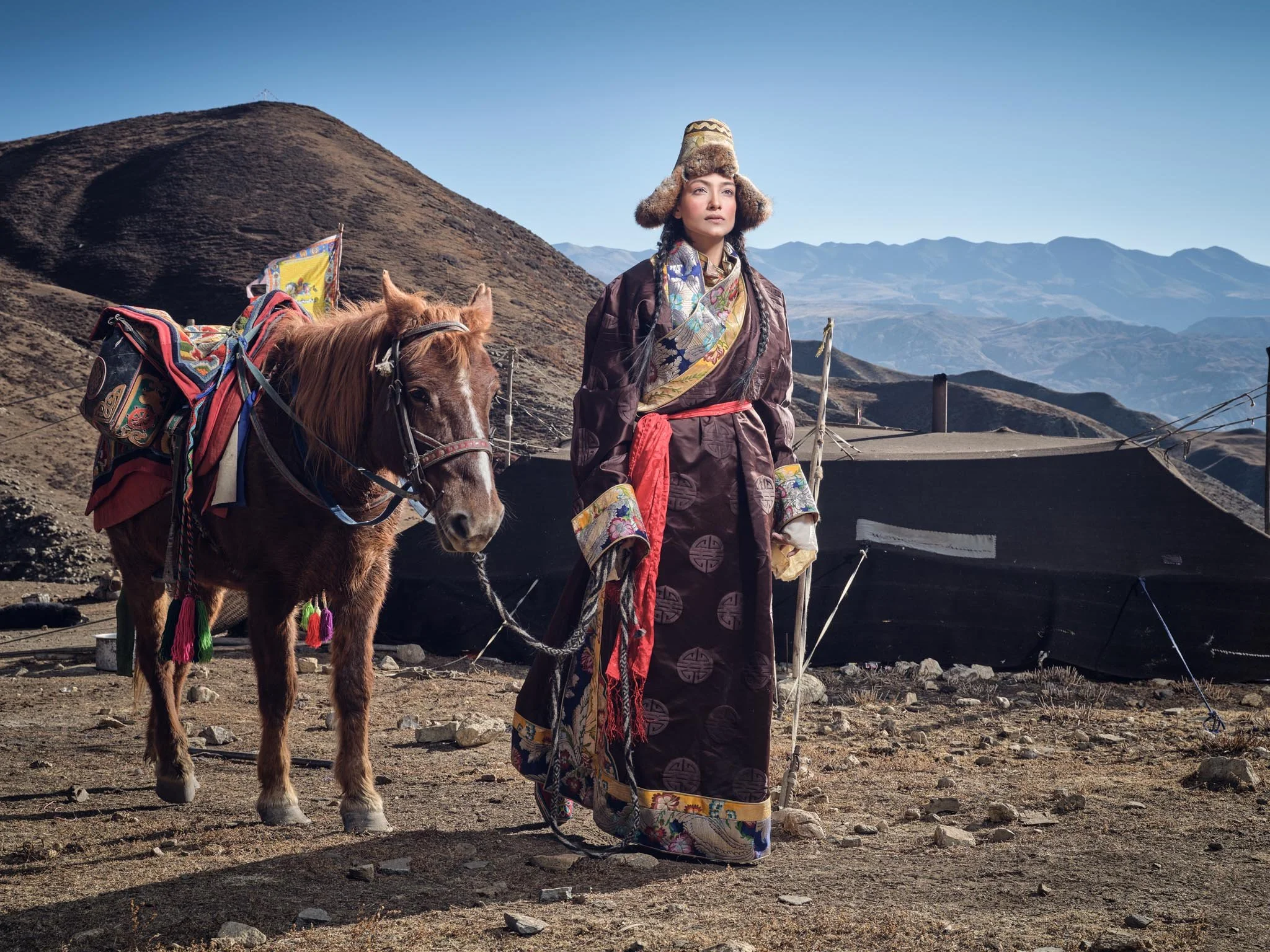
Preparing For Your Nepal Learning Experience
A Practical Guide To Help Students Prepare For Academic Programs, Field Learning And Global Experiences In Nepal
Preparing Today For A Meaningful Learning Experience Tomorrow
Everything You Need To Know Before Beginning Your Academic Journey In Nepal
Preparing for an international academic experience begins long before you arrive at the airport.
A successful learning journey is built through thoughtful preparation, understanding expectations and developing the confidence to engage with a new environment.
Nepal offers an extraordinary setting for global learning.
From the Himalayan landscape and diverse ecosystems to ancient cultures, communities, heritage sites and contemporary social challenges, Nepal provides students with opportunities to connect academic knowledge with real world experiences.
However, meaningful learning requires preparation.
Understanding what to expect before departure allows students to focus on learning, exploration and personal growth once they arrive.
This guide has been created to support students preparing for faculty led programs, academic expeditions, research experiences and field based learning opportunities in Nepal.
It covers practical topics including travel documents, visa requirements, insurance, health preparation, packing, communication, money management, cultural awareness, academic expectations, responsible engagement and daily life.
Every student's journey will be different.
Some students may be travelling internationally for the first time.
Others may already have experience studying abroad.
Regardless of your background, preparation helps create a stronger foundation for curiosity, confidence and meaningful participation.
The purpose of this guide is not only to help you prepare for a trip.
It is to help you prepare for a learning experience.
Before You Leave Home
Understanding Your Program And Expectations
Before travelling to Nepal, take time to understand the purpose of your academic experience.
A faculty led program or academic expedition is different from a holiday.
Your time in Nepal may include:
Academic sessions.
Field visits.
Research activities.
Community interactions.
Reflection assignments.
Cultural experiences.
Group discussions.
Understanding your course objectives before arrival will help you recognise how each activity connects to your academic learning.
Ask questions before departure.
Review your university materials.
Understand your responsibilities.
The more prepared you are, the more you will gain from the experience.
Create A Personal Preparation Checklist
Every student should create a personal checklist before departure.
Important areas to consider include:
Travel documents.
Visa requirements.
Travel insurance.
Health preparation.
Medication.
Packing.
Academic materials.
Technology.
Emergency contacts.
Financial preparation.
Cultural awareness.
Starting early reduces unnecessary stress and allows time to address unexpected situations.
Travel Documents And Administrative Preparation
What Documents Should I Prepare Before Travelling To Nepal?
Having your important documents organised before departure is one of the simplest ways to travel with confidence.
Students should consider preparing:
A valid passport.
Required visa documentation.
Flight details.
University program information.
Travel insurance documents.
Emergency contact information.
Copies of important personal documents.
Academic documents if required.
Keep digital copies stored securely and carry printed copies where appropriate.
Different universities and nationalities may have different requirements, so always follow the guidance provided by your institution.
Do I Need A Visa To Visit Nepal?
Visa requirements depend on your nationality and the purpose of your visit.
Many international students obtain visas through procedures provided by Nepal's immigration authorities or through guidance from their university.
Students should confirm requirements well before departure.
Important considerations include:
Visa type.
Application process.
Required documents.
Validity period.
Entry requirements.
Do not leave visa preparation until the last moment.
Administrative preparation is an important part of a successful international experience.
Why Is Travel Insurance Important For Students?
Travel insurance is an essential part of responsible international travel preparation.
Even when a program is carefully planned, unexpected situations can occur.
Travel insurance may provide support for situations such as:
Medical emergencies.
Accidents.
Emergency evacuation.
Trip interruptions.
Lost belongings.
Travel disruptions.
Students should carefully review their insurance coverage before departure and ensure that it is appropriate for their planned activities and destinations.
For programs involving remote areas, outdoor activities or higher altitude environments, students should confirm that their policy provides suitable coverage.
Travel insurance is not about expecting problems.
It is about being prepared so that unexpected situations can be managed responsibly.
What Should I Check In My Travel Insurance Policy?
Students should understand what their policy includes before travelling.
Important questions to consider:
Does it cover medical treatment abroad?
Does it include emergency evacuation?
Does it cover activities included in my program?
Does it provide support in remote locations?
Are there exclusions related to altitude or adventure activities?
Who should I contact in an emergency?
Understanding your insurance before departure prevents confusion when support is needed.
Your university or program coordinator may provide additional guidance based on the nature of your program.
Should I Carry A Copy Of My Insurance Information?
Yes.
Keep your insurance details accessible throughout your journey.
Useful information includes:
Insurance provider.
Policy number.
Emergency contact details.
Coverage information.
University emergency contacts.
Store copies digitally and keep access available even if you do not have internet connection.
Having this information prepared allows faster communication during unexpected situations.
Health Preparation And Personal Wellbeing
Taking Care Of Yourself Before And During Your Nepal Learning Experience
Your health and wellbeing are important foundations for a successful international learning experience.
Preparing for Nepal means understanding how to take care of yourself in a new environment, especially when climate, food, daily routines and physical activities may be different from what you are familiar with.
Good preparation does not mean worrying about every possible situation.
It means making informed decisions, understanding your own needs and knowing how to seek support when required.
Should I Visit A Doctor Before Travelling To Nepal?
Students should consider consulting a qualified healthcare professional before international travel.
A pre travel health consultation can help you understand any personal health considerations and prepare appropriately for your journey.
This is especially useful if you:
Take regular medication.
Have existing health requirements.
Have not travelled internationally before.
Will participate in field based activities.
Will travel to different geographic regions.
Healthcare recommendations can vary depending on your personal circumstances, travel plans and home country requirements.
Do I Need Any Vaccinations Before Visiting Nepal?
Vaccination requirements and recommendations can vary depending on your nationality, travel history, personal health situation and the regions you plan to visit.
Students should seek advice from qualified healthcare professionals and review current travel health guidance before departure.
It is important to complete any recommended preparations well before travelling, as some vaccinations or health arrangements may require advance planning.
What Medication Should I Bring To Nepal?
Students should bring any personal medication they regularly require.
It is recommended to:
Carry sufficient medication for the duration of your program.
Keep medication in original packaging.
Carry a copy of prescriptions if necessary.
Pack important medication in your hand luggage when travelling.
Students should not assume that every medication available in their home country will be easily available in Nepal.
Planning ahead helps avoid unnecessary challenges during the program.
Should I Inform My University Or Program Team About Health Requirements?
Yes.
Students should communicate important health information with the appropriate university or program representatives before departure.
This may include:
Dietary requirements.
Allergies.
Medical conditions requiring support.
Medication needs.
Accessibility requirements.
Sharing relevant information allows responsible planning and helps ensure that appropriate support can be considered throughout the experience.
How Should I Prepare Physically For A Program In Nepal?
Physical preparation depends on your specific program activities and destinations.
Some programs may involve:
Walking.
Field visits.
Outdoor activities.
Long travel days.
Changing weather conditions.
Different elevations.
Students do not need to be professional athletes.
However, maintaining general fitness, staying active and preparing for increased walking or outdoor activities can make the experience more comfortable.
How Does Nepal's Geography Affect Student Preparation?
Nepal has remarkable geographic diversity.
Within a relatively small area, students may experience:
Urban environments.
Hills and valleys.
Rural communities.
Forests and conservation areas.
Mountain regions.
Different locations involve different climates, landscapes and physical conditions.
Understanding your program itinerary helps you prepare appropriately for the environments you will experience.
What Should I Know About Altitude Before Travelling In Nepal?
Altitude considerations depend entirely on your program location.
Not every academic program in Nepal involves high altitude environments.
However, students visiting mountain regions should understand that higher elevations can affect the body differently.
Important considerations include:
Allowing time for adjustment.
Staying hydrated.
Maintaining a comfortable pace.
Communicating any discomfort early.
Following guidance from faculty members and local coordinators.
Altitude awareness is about preparation, not fear.
With appropriate planning and responsible decisions, students can safely experience Nepal's incredible mountain environments.
How Should I Manage Changes In Food And Water?
Experiencing local food is an important part of learning about Nepal.
However, students should allow their bodies time to adjust to new foods and routines.
Helpful practices include:
Drinking safe and treated water.
Maintaining good hygiene.
Eating balanced meals.
Being mindful during the first days of the program.
Communicating dietary needs clearly.
Food is an important connection to culture, and approaching it with curiosity while making responsible choices allows students to enjoy the experience comfortably.
How Can I Maintain My Mental Wellbeing While Abroad?
International experiences can be exciting, but they can also involve moments of adjustment.
Students may experience:
Homesickness.
Cultural differences.
A busy schedule.
New academic expectations.
Unfamiliar environments.
These feelings are a normal part of adapting to a new experience.
Helpful practices include:
Maintaining healthy routines.
Staying connected with supportive people.
Taking time to rest.
Reflecting on experiences.
Communicating concerns early.
Learning to adapt is one of the most valuable parts of international education.
What If I Feel Overwhelmed During The Program?
Students should remember that asking for support is a responsible decision.
If you feel overwhelmed, consider:
Speaking with faculty members.
Connecting with program coordinators.
Discussing concerns with classmates.
Taking time to rest and reflect.
International learning experiences are designed to challenge students positively, but every student adjusts differently.
Recognising your needs and seeking support helps create a healthier and more meaningful experience.
What Is The Most Important Health Advice For Students Travelling To Nepal?
Listen to your body.
Prepare responsibly.
Stay aware.
Communicate openly.
The goal is not to avoid every unfamiliar experience.
The goal is to approach new experiences with awareness and confidence.
Taking care of your health allows you to fully participate, learn deeply and make the most of your time in Nepal.
Packing For Nepal
What To Bring For A Comfortable And Meaningful Learning Experience
Packing for an academic experience in Nepal is about preparation, not bringing everything you own.
The right items will depend on your program duration, travel season, destinations and activities.
A well planned bag helps students move comfortably, adapt to different environments and focus more on learning rather than managing unnecessary challenges.
The goal is to pack thoughtfully, travel practically and leave space for the experiences waiting ahead.
What Type Of Clothing Should I Pack For Nepal?
Nepal experiences different climates depending on the season, altitude and location.
Students should consider clothing that is:
Comfortable.
Practical.
Easy to layer.
Suitable for walking and field activities.
Respectful in cultural settings.
Layering is often the most effective approach because temperatures can change throughout the day.
A student travelling between Kathmandu, rural areas and higher elevations may experience very different weather conditions during the same program.
What Should I Pack For Field Based Learning Activities?
Field learning often involves being outdoors and moving through different environments.
Useful items may include:
Comfortable walking shoes.
A lightweight backpack.
Weather appropriate clothing.
A reusable water bottle.
Notebook or journal.
Sun protection.
Rain protection.
Personal hygiene items.
A small first aid kit.
The exact requirements depend on your program design, but practical preparation makes field experiences much more enjoyable.
Do I Need Special Equipment For A Nepal Academic Program?
Most students do not need specialised equipment.
However, certain programs may have specific requirements depending on academic activities.
Examples may include:
Research equipment.
Photography equipment.
Outdoor gear.
Specialised clothing.
Academic materials.
Students should follow guidance from their faculty members and program coordinators before purchasing anything.
Avoid buying unnecessary items simply because you are travelling internationally.
Prepare according to your actual learning experience.
What Footwear Should I Bring?
Comfortable footwear is one of the most important items for students visiting Nepal.
Depending on your program, consider bringing:
Comfortable walking shoes.
Closed shoes suitable for field visits.
Sandals or lighter footwear for casual use.
If your program includes hiking or mountain environments, footwear should provide appropriate support and comfort.
New shoes should ideally be used before travelling so they are already comfortable.
What Technology Should I Bring?
Technology can support learning, communication and documentation during your experience.
Students may consider bringing:
A smartphone.
Laptop or tablet if required for academic work.
Chargers.
Power adapters.
Portable power bank.
Headphones.
Storage devices for important files.
Students should balance technology with presence.
Devices are useful tools, but they should support your experience rather than distract from it.
Do I Need A Power Adapter For Nepal?
Students travelling internationally should check whether their devices are compatible with Nepal's electrical system before departure.
Nepal generally uses a 220 volt electrical supply, while many countries use 110 volt systems. Students should make sure their devices, chargers and power supply cables are compatible with the local voltage requirements.
A universal travel adapter can be useful for many international travellers, especially students bringing multiple electronic devices.
Students should consider:
Charging requirements.
Voltage compatibility of devices.
Number of devices being used.
Power adapter specifications.
Battery backup options.
Keeping essential chargers accessible.
Most modern devices such as laptops, smartphones and camera equipment are designed to support multiple voltage systems, but students should always check manufacturer specifications before connecting devices.
Simple preparation can prevent unnecessary inconvenience during the program and ensure that technology remains available when needed for communication, academic work and documentation.
Should I Bring Cash Or Cards To Nepal?
Students should prepare for different payment situations.
Urban areas may offer more options for electronic payments, but cash remains important in many situations.
Consider bringing:
Some local currency after arrival.
A suitable bank card.
Emergency funds.
Secure storage options.
Financial preparation should be discussed with your university and based on your program requirements.
What Personal Items Should I Not Forget?
Small personal items are often the things students miss most.
Consider packing:
Prescription medication.
Glasses or contact lenses if required.
Personal care products.
Comfort items from home.
Important academic materials.
Copies of important documents.
Personal identification.
The purpose is not to pack everything from home.
It is to ensure you have the essentials that support your comfort and wellbeing.
What Should I Avoid Packing For Nepal?
Overpacking can make travel more difficult.
Students should avoid bringing unnecessary items that:
Add weight.
Are easily available locally.
Are unlikely to be used.
Create additional responsibility.
Remember that Nepal has cities, shops and services where many everyday items can be purchased if needed.
A lighter, organised bag often creates a more comfortable travel experience.
Should I Pack For Different Seasons?
Yes.
Nepal's climate varies significantly throughout the year.
Students should consider:
Time of travel.
Program locations.
Altitude.
Outdoor activities.
Expected weather conditions.
A student travelling during winter may need different clothing compared to someone arriving during the monsoon season.
Review your itinerary carefully and prepare according to where you will actually be travelling.
What Academic Materials Should I Bring?
Your academic preparation is just as important as your travel preparation.
Depending on your program, consider bringing:
Required readings.
Notebook or journal.
Research materials.
Writing tools.
Assignment information.
Course documents.
Digital copies of academic resources.
Field learning often creates many observations and ideas, so having a way to record your thoughts is valuable.
What Is The Best Packing Advice For Students Coming To Nepal?
Pack for the experience you are joining, not the destination you imagine.
Bring what supports your learning.
Bring what supports your comfort.
Bring what supports your wellbeing.
Avoid focusing only on what you might need.
Focus on what will help you participate fully.
A thoughtfully packed bag creates more freedom to explore, learn and connect throughout your Nepal experience.
Understanding Nepal Before Arrival
Building Context Before You Experience The Country
A meaningful international learning experience begins with understanding the place you are entering.
Nepal is much more than a destination.
It is a country shaped by extraordinary geography, diverse communities, ancient traditions, changing environments and complex contemporary realities.
Before arriving, students do not need to become experts on Nepal.
However, developing basic awareness helps you observe more carefully, ask better questions and connect your academic learning with the places and people you encounter.
What Should I Know About Nepal Before My Program Begins?
Nepal is a country located in South Asia between India and China, home to some of the world's highest mountains, including Mount Everest.
The country is known for:
The Himalayan mountain range.
Rich biodiversity.
Ancient cultural heritage.
Hundreds of ethnic communities.
Multiple languages and traditions.
Historic cities and settlements.
Unique ecosystems.
Rapid social and economic transformation.
Nepal's diversity means that experiences can vary greatly from one region to another.
A student studying environmental science, anthropology, architecture, development studies, business, photography or other disciplines may discover completely different learning opportunities within the same country.
Why Is Nepal A Valuable Place For Global Learning?
Nepal provides a rare opportunity to study the relationship between people, environments and change.
Students can explore topics connected to:
Climate change.
Mountain environments.
Biodiversity conservation.
Cultural heritage.
Community development.
Sustainable practices.
Public health.
Social change.
Creative industries.
Entrepreneurship.
Research and innovation.
The country's unique geography and cultural diversity create a living classroom where academic concepts can be connected with real world experiences.
What Is Nepal's Geography Like?
Nepal has remarkable geographic diversity despite its relatively small size.
The country extends from the lowland plains of the Terai region to the world's highest mountain environments.
The major geographic regions include:
The Himalayan region.
The Hill region.
The Terai plains.
Each region has different landscapes, climates, communities and ways of life.
Students travelling through Nepal may experience dramatic changes in altitude, vegetation, architecture, agriculture and cultural practices within relatively short distances.
This geographic diversity is one of Nepal's greatest strengths as a learning environment.
What Should I Know About Nepal's Cultural Diversity?
Nepal is home to many ethnic communities, languages, religions and traditions.
The country's cultural identity has developed through centuries of interaction between different communities and regions.
Students may encounter:
Different languages.
Traditional celebrations.
Religious practices.
Local arts and crafts.
Distinct architectural styles.
Regional cuisines.
Community traditions.
Understanding this diversity helps students avoid seeing Nepal through a single perspective.
There is no single story of Nepal.
Every community, region and individual contributes to the country's broader identity.
What Languages Are Spoken In Nepal?
Nepal is linguistically diverse.
Nepali is the official language and is widely spoken throughout the country, but many other languages are used by different communities.
Students may encounter languages connected to:
Ethnic communities.
Geographic regions.
Cultural groups.
Local traditions.
English is commonly used in academic, professional and tourism environments, especially in urban areas.
Learning a few basic Nepali phrases can be a meaningful way to show respect and build connections during your experience.
What Should I Understand About Nepalese Society?
Nepalese society is shaped by strong community connections, family relationships, traditions and a deep relationship with place.
Students may notice differences in:
Social interactions.
Family structures.
Community relationships.
Approaches to time.
Communication styles.
Daily routines.
These differences provide valuable opportunities for cultural learning.
Rather than comparing Nepal directly with your home country, try to understand the historical and cultural reasons behind different ways of living.
What Should I Learn About Nepal's History Before Arriving?
A basic understanding of Nepal's history provides important context for your experience.
Nepal has a long history shaped by:
Ancient civilisations.
Kingdoms and regional powers.
Religious and cultural traditions.
Political transformation.
Modern development challenges.
Historical context helps students understand why certain places, traditions and social structures exist today.
Many field experiences become more meaningful when students understand the stories behind the locations they visit.
How Should I Learn About Nepal Before My Trip?
There are many ways to prepare.
Students can:
Read about Nepal's history and geography.
Explore academic resources.
Watch documentaries.
Learn about current issues.
Study their course materials.
Follow reliable sources about Nepal.
Speak with faculty members and previous participants.
The purpose is not to create fixed expectations.
It is to arrive with curiosity and a foundation for deeper learning.
What Misconceptions Should Students Avoid About Nepal?
Every country has stereotypes and simplified ideas created from limited information.
Students should avoid assuming that:
All of Nepal is mountainous.
All communities have the same culture.
Rural areas lack knowledge or expertise.
Traditions are unchanged.
Development follows the same path everywhere.
Nepal, like every country, is complex.
A global learning experience encourages students to move beyond assumptions and develop a more complete understanding.
How Can I Become A More Responsible Learner Before Arrival?
The most important preparation is developing the right mindset.
Arrive ready to:
Listen.
Observe.
Ask questions.
Respect differences.
Challenge assumptions.
Learn from local knowledge.
Recognise complexity.
The strongest global learners do not arrive with the goal of finding answers immediately.
They arrive prepared to understand, explore and continue asking better questions.
Cultural Preparation And Responsible Engagement
Learning How To Engage Respectfully With Nepal's People, Places And Communities
International learning is not only about visiting a new country.
It is about building understanding.
When students enter a new cultural environment, every interaction becomes part of the learning experience. The way you communicate, observe, photograph, participate and respond to differences shapes the quality of your experience.
Preparing culturally means developing awareness before arrival and remaining open to learning throughout your journey.
How Should I Prepare For Cultural Differences In Nepal?
Cultural differences are a natural part of international education.
Students may notice differences in:
Communication styles.
Social behaviour.
Greetings and expressions of respect.
Approaches to time.
Food traditions.
Family and community relationships.
Daily routines.
These differences are not better or worse than what students know from home.
They represent different ways societies develop and organise life.
The most valuable approach is curiosity.
Instead of asking, "Why is this different?" ask, "What can I learn from this difference?"
What Are Some Basic Cultural Practices I Should Know Before Arriving?
Nepal has many cultural traditions, and practices can vary between communities and regions.
Some general practices students may find useful include:
Remove shoes before entering certain homes, temples or sacred spaces when appropriate.
Dress respectfully, especially when visiting religious or cultural sites.
Use polite greetings and respectful communication.
Ask permission before photographing people.
Respect local customs during festivals and ceremonies.
Follow guidance from faculty members and local partners.
Cultural awareness is not about memorising rules.
It is about showing respect and being willing to learn.
How Should I Interact With Local Communities During Field Experiences?
Communities are not simply locations for academic observation.
They are homes, workplaces and living environments for people.
Students should approach community interactions as opportunities for mutual learning.
Responsible engagement means:
Listening before speaking.
Showing genuine interest.
Respecting local knowledge.
Avoiding assumptions.
Asking thoughtful questions.
Understanding that every person has their own story.
The strongest field experiences are built through relationships, not just observations.
How Can I Avoid A Tourist Mindset During My Academic Experience?
A tourist often asks:
"What can I see?"
A global learner asks:
"What can I understand?"
An academic experience in Nepal is designed to encourage deeper engagement.
Students should move beyond simply collecting experiences and focus on:
Understanding context.
Connecting observations with academic concepts.
Learning from local perspectives.
Reflecting on personal assumptions.
Considering different viewpoints.
The goal is not just to visit Nepal.
The goal is to learn from Nepal.
What Should I Know About Photography And Documentation In Nepal?
Photography can be a powerful learning tool, especially for students documenting field experiences.
However, responsible photography requires respect.
Before taking photographs of people, consider:
Have I asked permission?
Am I representing this person respectfully?
Do I understand the context of the image?
Would I feel comfortable if someone photographed me in the same situation?
Students should avoid treating people or communities as objects of curiosity.
The best photographs come from trust, connection and understanding.
Can I Share My Nepal Experience On Social Media?
Yes, but thoughtful sharing is important.
Social media provides an opportunity to communicate your learning experience with others.
Before posting, consider:
Does this represent Nepal accurately?
Does this respect the people shown?
Am I sharing understanding or creating stereotypes?
Have I considered privacy and consent?
Students become storytellers when they share their experiences.
Responsible storytelling helps create deeper understanding between cultures.
How Should I Approach Religious And Cultural Sites In Nepal?
Nepal has many important religious and cultural sites that continue to be active places of worship and community life.
Students should remember that these are not only historical attractions.
They are meaningful spaces for millions of people.
When visiting such places:
Follow local guidelines.
Observe respectfully.
Dress appropriately.
Avoid disruptive behaviour.
Ask before photographing specific activities.
Approach these locations with appreciation rather than simply curiosity.
What Does Responsible Community Engagement Mean?
Responsible community engagement means recognising that learning is a two way exchange.
Students come to Nepal with academic interests, but local communities also contribute knowledge, experiences and perspectives.
Responsible engagement involves:
Respecting local expertise.
Acknowledging community contributions.
Avoiding assumptions about people's lives.
Understanding local priorities.
Building relationships based on trust.
The objective is not to arrive with all the answers.
It is to learn together.
How Can I Be Environmentally Responsible During My Program?
Nepal's natural environments are among its greatest learning resources.
Students should consider their impact while travelling.
Responsible practices include:
Reducing unnecessary waste.
Using resources carefully.
Respecting wildlife and natural areas.
Following environmental guidelines.
Supporting sustainable practices.
Understanding local conservation efforts.
Small actions from individual students contribute to more responsible global learning.
What Mindset Should I Bring To Cultural Learning?
The most important preparation is an open mind.
Be ready to:
Listen before judging.
Ask before assuming.
Learn before explaining.
Observe before interpreting.
Respect before evaluating.
International education is most powerful when students allow new experiences to challenge and expand their understanding of the world.
Nepal is not only a place to study.
It is a place to learn through connection, humility and shared experiences.
Academic Preparation Before Departure
Connecting Your Learning Goals With Your Nepal Experience
An academic program in Nepal is most meaningful when students understand the purpose behind each activity before they arrive.
Preparation allows you to move beyond simply attending sessions and visiting locations.
It helps you observe more carefully, ask stronger questions and connect your field experiences with your academic goals.
Whether your program focuses on environmental studies, anthropology, development, culture, conservation, business, health, creative fields or another discipline, Nepal offers opportunities to explore real world contexts beyond traditional classrooms.
How Should I Prepare Academically Before Travelling To Nepal?
Start by understanding your course objectives and the reason Nepal was selected as a learning environment.
Before departure, students should:
Review course materials.
Complete required readings.
Understand assignments.
Learn about program activities.
Research key topics related to Nepal.
Prepare questions for faculty members.
Think about how your academic interests connect with the experience.
The more prepared you are before arrival, the more deeply you can engage during field learning.
Should I Read About Nepal Before My Program Begins?
Yes.
Background knowledge creates a stronger foundation for learning.
Students do not need to become experts before arriving, but understanding basic context helps you appreciate what you observe.
Useful topics to explore include:
Nepal's geography.
History and cultural development.
Current social and environmental issues.
Communities and traditions.
Your specific academic discipline in relation to Nepal.
Preparation should create curiosity, not fixed conclusions.
Arrive ready to learn from what you experience.
How Can I Connect Classroom Learning With Field Experiences?
Field learning becomes powerful when students actively connect observation with academic concepts.
During your program, ask yourself:
How does this experience relate to what I have studied?
What examples can I identify in the field?
What questions emerge from this experience?
How does this compare with my understanding from textbooks?
The purpose of experiential learning is to bridge theory and reality.
Nepal becomes a living environment where academic ideas can be explored through direct experience.
What Should I Expect From Faculty Led Academic Programs?
A faculty led program is designed around learning outcomes, not simply activities.
Students may participate in:
Lectures.
Discussions.
Field visits.
Research activities.
Community interactions.
Reflection exercises.
Group projects.
The structure varies depending on the university, course and discipline.
Students should approach every activity as part of the learning process rather than viewing some experiences as separate from academics.
Will I Need To Complete Assignments During The Program?
Most academic programs include some form of academic work during the experience.
Assignments may include:
Reflection journals.
Research notes.
Presentations.
Field observations.
Creative documentation.
Group discussions.
Academic projects.
Assignments help students process what they experience and connect it with course objectives.
The purpose is not only assessment.
It is to encourage deeper understanding.
How Should I Take Notes During Field Experiences?
Field experiences often move quickly, and important observations can easily be forgotten.
Students may find it useful to record:
Key observations.
Questions that arise.
Interesting conversations.
Environmental details.
Cultural observations.
Personal reflections.
Unexpected discoveries.
A notebook, digital journal or academic field diary can become one of your most valuable resources after returning home.
What Is A Field Journal And Why Is It Useful?
A field journal is a personal record of observations, questions and reflections during an academic experience.
It helps students:
Capture details.
Track learning progress.
Develop research ideas.
Connect experiences with academic themes.
Reflect on changing perspectives.
Field journals are especially valuable because international experiences often reveal insights gradually.
Something that seems like a small observation during the program may become an important learning point later.
How Should I Ask Questions During Field Visits?
Good questions are one of the most important tools for learning.
Effective questions are:
Respectful.
Open ended.
Based on curiosity.
Connected to the topic being explored.
Avoid asking questions that assume a simple answer to complex issues.
Instead of asking:
"Why is this problem happening?"
Consider asking:
"What factors have influenced this situation?"
"How do local communities understand this issue?"
"What changes have happened over time?"
Thoughtful questions create deeper conversations.
What If My Academic Background Is Different From The Main Theme Of Nepal?
Nepal offers interdisciplinary learning opportunities.
Many topics connect across different academic fields.
For example:
Environmental studies can connect with communities and livelihoods.
Architecture can connect with heritage and cultural identity.
Business studies can connect with local entrepreneurship.
Photography and media can connect with storytelling and representation.
Public health can connect with geography and social systems.
The ability to see connections between disciplines is one of the strengths of global learning.
How Can I Prepare For Research Activities In Nepal?
Students involved in research should begin preparation before arrival.
Consider:
Understanding research objectives.
Reviewing relevant literature.
Preparing questions.
Learning ethical research practices.
Understanding local context.
Discussing methods with faculty members.
Research in another country requires both academic preparation and cultural awareness.
The strongest research begins with respect for the people, places and knowledge involved.
How Can I Make My Experience More Meaningful Academically?
The most successful students are active participants.
Make an effort to:
Attend every session.
Ask questions.
Engage with local experts.
Connect observations with coursework.
Reflect regularly.
Remain open to unexpected learning opportunities.
Your academic experience in Nepal will be shaped not only by the program structure, but also by the curiosity and effort you bring to it.
The more you engage, the more you will discover.
Money, Budgeting And Practical Preparation
Understanding Financial Planning Before Your Nepal Experience
Good financial preparation helps students focus on learning rather than worrying about practical matters during their time in Nepal.
Every academic program is different.
Costs depend on program duration, locations visited, activities included, accommodation arrangements and personal choices.
Understanding basic financial considerations before departure allows students to plan responsibly and make informed decisions throughout their experience.
What Currency Is Used In Nepal?
The official currency of Nepal is the Nepalese Rupee (NPR).
Students should become familiar with:
Local currency values.
Common denominations.
Approximate conversion rates.
Payment options available in different locations.
Currency exchange rates change regularly, so students should check current rates before travelling.
Should I Exchange Money Before Arriving In Nepal?
Students may choose to carry some international currency for arrival expenses, but most financial planning decisions depend on their home country, travel arrangements and university guidance.
Students can generally exchange money through authorised exchange services in Nepal.
It is useful to have some local currency available for:
Small purchases.
Transportation.
Local markets.
Food and personal expenses.
Having immediate access to local currency makes the first days easier while students become familiar with their surroundings.
Can I Use Credit Cards And Debit Cards In Nepal?
Cards are increasingly accepted in many hotels, restaurants, shops and urban areas.
However, payment options can vary significantly depending on location.
Students should not rely entirely on cards.
It is recommended to consider:
Carrying some local currency.
Informing your bank about international travel.
Understanding foreign transaction fees.
Keeping backup payment options.
Students travelling to rural areas or remote field locations should expect that cash may be more practical.
How Much Personal Money Should I Bring To Nepal?
The amount of personal spending money depends on:
Program duration.
Included meals and activities.
Personal shopping habits.
Travel preferences.
Individual needs.
Many academic programs include major costs such as accommodation, transportation and planned activities.
Students should review what is included in their specific program and budget separately for personal expenses.
What Expenses Should Students Consider Beyond Program Costs?
Students should understand the difference between program expenses and personal expenses.
Additional personal costs may include:
Snacks and additional meals.
Personal shopping.
Souvenirs.
Optional activities.
Laundry.
Local transportation outside the program.
Additional communication costs.
Personal equipment or supplies.
Planning ahead helps students make responsible choices without unnecessary financial stress.
Should I Create A Daily Budget While In Nepal?
A simple daily budget can help students manage their spending.
Consider tracking:
Food expenses.
Transportation.
Personal purchases.
Entertainment.
Gifts.
Unexpected needs.
Budgeting does not mean limiting your experience.
It helps you make thoughtful decisions and participate in activities that are most meaningful to you.
Is Nepal An Expensive Country For International Students?
Compared with many international destinations, Nepal can be relatively affordable for students.
However, costs depend greatly on personal choices and program design.
Students should understand that:
Urban areas may have different costs from rural areas.
Tourist areas may have different pricing.
Imported products may be more expensive.
Local experiences are often more affordable.
The value of the experience comes from meaningful engagement, not from spending more money.
What Should I Know About Tipping In Nepal?
Tipping practices vary depending on the situation.
In some service environments, tipping may be appreciated, while in others it may not be expected.
Students should follow guidance from their faculty members or local coordinators regarding appropriate practices.
When tipping is considered, it should be done respectfully and thoughtfully.
Should I Buy A Local SIM Card For Mobile Data?
Many students choose to purchase a local SIM card because it can provide affordable access to mobile data and communication.
Students may use mobile data for:
Navigation.
Communication.
Academic coordination.
Research.
Staying connected.
Students should consider their phone compatibility and follow guidance from program coordinators regarding the most suitable option.
How Can I Protect My Money While Travelling?
Responsible financial habits are important during any international experience.
Students should:
Keep important items secure.
Avoid carrying unnecessary amounts of cash.
Store emergency funds separately.
Keep digital copies of important financial information.
Be cautious in unfamiliar situations.
Simple habits can prevent avoidable problems.
Should I Budget For Gifts And Souvenirs?
Many students enjoy bringing back meaningful items from Nepal.
Students may choose to purchase:
Handcrafted products.
Books.
Traditional artwork.
Local products.
Small gifts for family and friends.
When purchasing souvenirs, consider choosing items that support local artisans and communities.
Responsible purchasing can become part of a meaningful cultural connection.
What Is The Best Financial Advice For Students Coming To Nepal?
Plan before you arrive.
Understand what is included in your program.
Prepare for different payment situations.
Spend thoughtfully.
Keep emergency options available.
Financial preparation creates freedom.
When practical matters are organised, students can focus more fully on the learning, relationships and experiences that make their Nepal journey meaningful.
Arrival In Nepal And Your First Days
Settling Into A New Environment With Confidence
Arriving in a new country is an exciting moment, but the first few days can also involve many new experiences at once.
New surroundings, different sounds, unfamiliar routines and a different pace of life may require some adjustment.
The first days of your Nepal learning experience are not only about getting settled.
They are the beginning of your transition into a new learning environment.
Approach this period with patience, curiosity and an open mind.
What Should I Expect When I Arrive At The Airport In Nepal?
Most international students arrive through Tribhuvan International Airport in Kathmandu.
Your arrival experience may include:
Immigration procedures.
Collecting luggage.
Meeting program representatives if arranged.
Transport to your accommodation.
Initial orientation.
Airport environments can feel busy, especially after a long international journey.
Take your time.
Follow instructions.
Keep important documents accessible.
Your program team will provide specific arrival guidance based on your travel arrangements.
What Should I Keep In My Hand Luggage During Travel?
Important items should always remain accessible during your journey.
Students should consider carrying:
Passport.
Visa documents if applicable.
Travel insurance information.
Flight details.
Emergency contacts.
Medication.
Phone and charger.
Essential academic information.
A change of clothes.
Important personal items.
Keeping essentials with you reduces stress if checked luggage is delayed or unexpected situations occur during travel.
What Happens During The First Day Of The Program?
The first day usually focuses on helping students understand their environment and feel comfortable.
Activities may include:
Arrival briefing.
Program orientation.
Introduction to coordinators.
Accommodation information.
Safety guidance.
Schedule overview.
Meeting faculty members and classmates.
The first day is not about knowing everything immediately.
It is about beginning the process of understanding your new environment.
Will There Be An Orientation Before Academic Activities Begin?
Most structured academic programs include some form of orientation.
Orientation helps students understand:
Program expectations.
Daily schedules.
Safety procedures.
Communication systems.
Cultural considerations.
Academic responsibilities.
Local context.
A good orientation creates confidence and helps students participate more effectively throughout the program.
How Should I Adjust To The First Few Days In Nepal?
The first few days are a period of adjustment.
Students may experience:
Excitement.
Curiosity.
Tiredness from travel.
Differences in routine.
A lot of new information.
Give yourself time.
Your body and mind need time to adjust to a new environment.
Simple actions help:
Rest properly.
Drink enough water.
Follow the schedule.
Ask questions.
Stay open to new experiences.
What Should I Expect From The Pace Of Life In Nepal?
Nepal may operate at a different pace from what some students are used to.
Students may notice differences in:
Traffic patterns.
Travel times.
Communication styles.
Daily schedules.
Approaches to planning.
These differences are part of the learning experience.
Rather than becoming frustrated by differences, try to understand the reasons behind them.
Adaptability is one of the most valuable skills developed through international education.
How Should I Navigate My First Cultural Experiences?
Your first cultural experiences may include many new sights, sounds and interactions.
You may encounter:
Different foods.
Different greetings.
Religious and cultural spaces.
New social customs.
Different ways of communicating.
The best approach is observation before judgement.
Allow yourself time to understand what you are experiencing.
Cultural learning happens gradually.
What If I Feel Homesick After Arrival?
Homesickness is a common experience for students travelling internationally.
Even students who are excited about their journey may miss:
Family.
Friends.
Familiar routines.
Food from home.
Known environments.
This feeling usually becomes easier as students build new routines and connections.
Helpful approaches include:
Talking with classmates.
Staying connected with family.
Participating actively.
Exploring your surroundings.
Giving yourself time to adjust.
Feeling homesick does not mean you are having a negative experience.
It is part of adapting to something new.
How Can I Build Connections With Other Students?
Your classmates become an important support system during your program.
Take opportunities to:
Introduce yourself.
Share experiences.
Participate in group activities.
Ask questions.
Support others.
Everyone in the group is experiencing something new.
The friendships created during international programs often become one of the most memorable parts of the journey.
What Should I Do If I Am Unsure About Something After Arrival?
Ask.
Questions are an important part of learning.
Whether you are unsure about:
Daily routines.
Transportation.
Cultural practices.
Academic expectations.
Personal concerns.
Your faculty members, coordinators and local support teams are there to guide you.
A successful international experience does not come from knowing everything.
It comes from being willing to learn.
What Mindset Should I Bring To My First Days In Nepal?
Arrive with patience.
Arrive with curiosity.
Arrive ready to adapt.
The first days are when you begin moving from being a visitor to becoming a learner within a new environment.
Every conversation, observation and experience contributes to your understanding.
Give yourself permission to learn gradually.
The journey has already begun.
Responsible Learning During Your Nepal Experience
Creating Meaningful Connections Through Respect, Awareness And Understanding
A global learning experience is not only about what you discover.
It is also about how you engage.
Students entering a new country, culture and community have an opportunity to learn from others while also becoming responsible representatives of their own backgrounds, universities and values.
Responsible learning means approaching people, places and environments with respect, humility and awareness.
The most meaningful experiences happen when students move beyond observation and become thoughtful participants.
What Does Responsible Learning Mean?
Responsible learning means understanding that every international experience has an impact.
Your presence influences:
The communities you visit.
The people you meet.
The environments you explore.
The stories you share.
The relationships you build.
Responsible learning involves making thoughtful choices that respect local knowledge, cultures, traditions and environments.
It is not about being perfect.
It is about being aware.
How Should I Approach Communities During Academic Visits?
Communities are not simply locations for study.
They are places where people live, work, raise families and maintain traditions.
Students should approach communities with:
Respect.
Curiosity.
Humility.
Patience.
An interest in listening.
Meaningful engagement begins by recognising that local communities have their own expertise, experiences and knowledge.
Learning is a two way exchange.
How Can I Show Respect When Meeting Local People?
Small actions often create meaningful connections.
Students can show respect by:
Greeting people politely.
Listening carefully.
Showing appreciation.
Asking thoughtful questions.
Respecting personal boundaries.
Being open to different perspectives.
Avoiding assumptions.
A respectful interaction does not require perfect language or cultural knowledge.
It requires genuine interest and kindness.
What Should I Consider Before Taking Photographs?
Photography can document powerful learning moments, but photographs also represent people and communities.
Before taking photographs, consider:
Have I asked permission?
Do I understand the situation?
Am I representing this person respectfully?
Would I appreciate being photographed in the same way?
Students should remember that every photograph tells a story.
Responsible photography protects dignity and builds trust.
How Should I Share Stories About Nepal?
Students often return home wanting to share their experiences with others.
Storytelling is a powerful way to communicate learning.
However, responsible storytelling requires context.
Before sharing, consider:
Am I presenting a complete picture?
Am I avoiding stereotypes?
Am I respecting people's privacy?
Am I highlighting knowledge and experiences rather than creating assumptions?
The goal is not simply to show others what Nepal looks like.
The goal is to help others understand Nepal more deeply.
How Can Students Support Sustainable Practices During The Program?
Nepal's landscapes and ecosystems are important parts of many academic experiences.
Students can contribute through responsible choices.
Examples include:
Reducing unnecessary waste.
Using water responsibly.
Respecting natural areas.
Following conservation guidelines.
Avoiding damage to cultural and environmental sites.
Supporting responsible local practices.
Sustainability is not only a topic to study.
It is something students can practice every day.
What Does Ethical Research Mean For Students?
Students involved in research should understand that knowledge creation carries responsibility.
Ethical research includes:
Respecting participants.
Seeking appropriate consent.
Protecting privacy.
Representing information accurately.
Acknowledging local knowledge.
Following university research guidelines.
Research should create understanding without causing harm.
The people and communities involved are partners in learning, not simply sources of information.
How Can Students Be Responsible When Learning About Different Cultures?
Cultural learning requires openness.
Students should avoid:
Judging unfamiliar practices quickly.
Comparing everything with their home country.
Assuming one person's experience represents everyone.
Looking only for differences.
Instead:
Ask questions.
Seek context.
Listen to different perspectives.
Understand historical and social backgrounds.
Cultural understanding develops through patience.
What Role Do Students Play As Representatives Of Their University?
During an international academic program, students represent more than themselves.
Their actions influence how others perceive:
Their university.
Their country.
Future student groups.
International partnerships.
Being a positive representative means:
Being respectful.
Following program guidelines.
Participating responsibly.
Communicating thoughtfully.
Showing appreciation.
Every student contributes to the reputation and success of future learning opportunities.
How Can I Make My Experience Meaningful For Myself And Others?
The most valuable experiences come from genuine engagement.
Be willing to:
Learn from unexpected moments.
Listen to different perspectives.
Ask deeper questions.
Reflect on your experiences.
Build respectful relationships.
The goal of global learning is not simply to collect experiences.
It is to develop greater understanding of the world and your place within it.
What Is The Most Important Principle Of Responsible Learning?
Enter every experience with respect.
Listen before speaking.
Understand before judging.
Connect before concluding.
Nepal offers extraordinary opportunities for learning, but the greatest lessons often come from the relationships created along the way.
A responsible learner does not simply pass through a place.
They leave with greater knowledge, deeper empathy and a stronger connection to the world around them.
Communication, Technology And Staying Connected
Managing Digital Connections While Staying Present In Your Nepal Experience
Communication is an important part of any international learning experience.
Staying connected helps students maintain relationships with family, coordinate with their university and access important information during their time in Nepal.
At the same time, global learning is about more than digital connection.
It is about creating meaningful human connections, experiencing new environments and being present in the moment.
Technology should support your experience, not replace it.
Will I Have Access To Internet In Nepal?
Internet access is widely available in Nepal, especially in cities, educational environments, hotels and many accommodation facilities.
Students may have access through:
WiFi networks.
Mobile data.
University or program facilities.
Local internet services.
However, connectivity can vary depending on location.
Students visiting rural communities, conservation areas or mountain regions may experience slower internet speeds or limited connectivity.
This is a normal part of field based learning and can become an opportunity to experience environments with fewer digital distractions.
Should I Buy A Local SIM Card In Nepal?
Many international students choose to purchase a local SIM card because it provides affordable access to mobile communication and internet services.
A local SIM card can be useful for:
Communication with program coordinators.
Navigation.
Emergency contact.
Academic coordination.
Daily communication.
Students should check whether their phone is unlocked and compatible with local networks before travelling.
Your university or program team may provide guidance on the most practical option based on your program structure.
Can I Use My Existing Mobile Phone In Nepal?
Most modern smartphones can work internationally, but students should check compatibility before departure.
Consider:
Whether your phone is unlocked.
Whether it supports international networks.
Whether your current provider offers roaming.
Whether local SIM cards can be used.
Preparing your phone before travel ensures smoother communication after arrival.
What Should I Know About Charging Electronic Devices In Nepal?
Nepal uses a 220 volt electrical supply.
Students travelling from countries with different electrical systems should confirm that their devices and chargers are compatible.
Before departure, check:
Device voltage requirements.
Laptop and phone charger specifications.
Camera equipment requirements.
Power adapter compatibility.
A universal travel adapter can be useful, especially for students carrying multiple devices.
Keeping chargers and essential electronics organised helps avoid unnecessary inconvenience during the program.
How Can I Stay Connected With Family While In Nepal?
Maintaining communication with family can provide comfort, especially during the early days of an international experience.
Students may use:
Messaging applications.
Video calls.
Email.
Social media.
However, students should also allow themselves time to adjust and engage fully with Nepal.
A healthy balance means staying connected with home while also creating meaningful connections in the environment around you.
How Often Should I Communicate With Family During The Program?
There is no single correct approach.
Some students prefer regular communication, while others naturally become more independent during international experiences.
Before departure, it can be helpful to discuss expectations with family members.
Consider:
How often you will communicate.
What information you will share.
How to contact each other in emergencies.
Setting realistic expectations helps both students and families feel more comfortable.
What Communication Challenges Might I Experience In Nepal?
Students may encounter differences in:
Language.
Communication styles.
Social expectations.
Approaches to conversation.
Understanding these differences is part of intercultural learning.
If communication feels challenging:
Be patient.
Speak clearly.
Ask questions.
Avoid assumptions.
Use respectful body language.
Effective communication is not only about language.
It is about willingness to understand.
Should I Learn Basic Nepali Before Arriving?
Learning a few basic Nepali words and expressions can greatly improve everyday interactions.
Simple phrases such as greetings, thank you and polite expressions demonstrate respect and interest in local culture.
Students do not need to become fluent before arriving.
The effort itself often creates warmer connections and shows appreciation for the country they are visiting.
How Should I Use Social Media During My Nepal Experience?
Social media can be a valuable tool for sharing learning experiences, but it should be used responsibly.
Before posting, consider:
Am I representing people respectfully?
Have I received permission where needed?
Am I providing meaningful context?
Could this create a misleading impression?
Students have the opportunity to become thoughtful storytellers.
The way you share Nepal with others can influence how people understand the country and its communities.
How Can I Document My Academic Experience?
Documentation can become an important part of reflection and learning.
Students may use:
Photography.
Video.
Written notes.
Research journals.
Audio recordings where appropriate.
Digital records.
However, documentation should always respect privacy, consent and cultural considerations.
The purpose of documentation is not only to collect memories.
It is to support deeper understanding.
How Can I Balance Technology With Real Experiences?
Technology is a powerful learning tool, but it should not become a barrier between students and their surroundings.
Remember to:
Put devices away during meaningful conversations.
Observe before photographing.
Listen before recording.
Experience moments directly.
Reflect without always sharing online.
Some of the most valuable lessons from Nepal may come from moments that never appear on a screen.
A successful global learning experience combines digital awareness with genuine human connection.
Returning Home And Continuing Your Learning Journey
Transforming Your Nepal Experience Into Lifelong Learning
An international academic experience does not end when you leave Nepal.
The journey continues through reflection, conversations, research, future academic work and the way you apply your learning in your personal and professional life.
Many students discover that returning home brings its own transition.
You may see familiar places differently.
You may think differently about global issues.
You may continue asking questions that began during your time in Nepal.
This process is an important part of global learning.
What Should I Expect After Returning Home?
Returning home after an international experience can bring many different emotions.
Students may feel:
Excited to share their experiences.
Connected to the people and places they encountered.
Thoughtful about what they learned.
A little disconnected from familiar routines.
Interested in continuing their exploration.
Adjusting back to your home environment is a normal part of the international learning process.
Your experience in Nepal may continue influencing your perspective long after the program ends.
What Is Reverse Culture Adaptation?
Many students experience a period of adjustment after returning home.
After adapting to a new country, culture and environment, familiar surroundings may feel slightly different.
Students may notice:
Changed perspectives.
New priorities.
Different ways of understanding everyday situations.
A stronger interest in global issues.
A desire to continue learning.
This is not a problem to solve.
It is evidence that the experience has contributed to personal growth.
How Can I Reflect On My Nepal Experience?
Reflection transforms experiences into knowledge.
Students can reflect through:
Academic assignments.
Personal journals.
Research papers.
Presentations.
Creative projects.
Conversations with others.
Useful reflection questions include:
What did I learn about Nepal?
What did I learn about myself?
What assumptions changed?
What experiences challenged my thinking?
How does this connect with my academic field?
How will this influence my future choices?
Reflection helps turn memories into meaningful learning outcomes.
How Can My Nepal Experience Support My Future Career?
International experiences can develop skills that are valuable across many fields.
Students often strengthen:
Cross cultural communication.
Adaptability.
Problem solving.
Research skills.
Collaboration.
Independence.
Global awareness.
Ability to work in diverse environments.
Employers and academic institutions increasingly value people who can understand different perspectives and navigate complex global environments.
Your experience in Nepal becomes part of your broader academic and professional story.
How Can I Share My Experience With Others?
Sharing your experience can help others understand the value of global learning.
Students may share through:
Class presentations.
Campus discussions.
Student organisations.
Research publications.
Photography and creative projects.
Community conversations.
Social media.
However, meaningful sharing is more than showing where you travelled.
The strongest stories communicate:
What you learned.
What surprised you.
What challenged you.
How your understanding changed.
Responsible storytelling helps others see Nepal beyond simple images or assumptions.
How Can I Stay Connected With Nepal After Returning Home?
Many students develop lasting connections after their academic experience.
You can continue learning through:
Maintaining relationships with people you met.
Following research and organisations connected to Nepal.
Exploring Nepal related academic topics.
Participating in future projects.
Supporting responsible initiatives.
Continuing curiosity.
A short term academic program can become the beginning of a lifelong connection.
Can My Nepal Experience Lead To Future Research Opportunities?
Yes.
Many students discover new academic interests through field experiences.
A question that begins during a program may develop into:
A research project.
A capstone study.
A graduate thesis.
A publication.
A creative project.
An academic collaboration.
The observations and connections made during your time in Nepal can become valuable foundations for future exploration.
How Can I Continue Supporting Responsible Global Learning?
Students who have experienced international education often become ambassadors for thoughtful engagement.
You can support responsible global learning by:
Sharing accurate information.
Encouraging others to engage respectfully.
Challenging stereotypes.
Supporting meaningful partnerships.
Recognising the importance of local knowledge.
Global learning becomes more powerful when experiences continue creating positive influence beyond the original journey.
What Is The True Value Of A Nepal Learning Experience?
The value of your Nepal experience is not measured only by:
The places you visited.
The photographs you captured.
The activities you completed.
The number of days you spent abroad.
The deeper value comes from:
The questions you continue asking.
The perspectives you gained.
The relationships you built.
The understanding you developed.
The way your thinking evolved.
Nepal is not simply a destination you visit.
It is an environment where learning happens through observation, participation, reflection and connection.
Preparing For Your Nepal Learning Experience
A Complete Journey From Preparation To Reflection
An academic experience in Nepal is more than travelling to a new country.
It is a journey that begins before departure, continues through every interaction and develops further through reflection after returning home.
Preparing well allows students to approach Nepal with confidence, curiosity and responsibility.
From understanding travel requirements and health preparation to engaging respectfully with communities and connecting academic learning with real world experiences, every stage contributes to a meaningful global learning journey.
This guide has been designed to help students feel informed, prepared and ready to make the most of their experience.
Your Preparation Creates The Foundation For Learning
The most successful students are not those who know everything before arriving.
They are the students who arrive prepared to learn.
Preparation creates confidence.
Curiosity creates discovery.
Respect creates connection.
As you prepare for Nepal, remember that every question you ask before departure helps you participate more fully once you arrive.
Nepal Is Not Just A Place To Visit
Nepal offers extraordinary opportunities for learning because it brings together:
Diverse landscapes.
Unique ecosystems.
Rich cultural traditions.
Complex social realities.
Strong community connections.
Emerging opportunities and challenges.
A meaningful academic experience requires looking beyond the surface.
The goal is not only to see Nepal.
The goal is to understand it.
The Experience You Create Depends On How You Participate
Every student will experience Nepal differently.
Your learning journey will be shaped by:
Your preparation.
Your curiosity.
Your willingness to engage.
Your openness to different perspectives.
Your ability to reflect.
The same program can create different outcomes for different students because learning is an active process.
You are not simply attending an experience.
You are creating it through your participation.
Continue Exploring Global Learning Resources
The Location Nepal Global Learning Knowledge Centre provides additional resources to help students, faculty members and institutions understand academic experiences in Nepal.
Explore related resources:
Faculty Planning Guide & Frequently Asked Questions
Parent Resources & Frequently Asked Questions
University Partnership Resources & Frequently Asked Questions
Research & Capstone Resources & Frequently Asked Questions
Safety & Risk Resources & Frequently Asked Questions
Nepal Destination Resources & Frequently Asked Questions
Responsible Learning Resources & Frequently Asked Questions
Your Nepal Learning Journey Begins Before You Arrive
The strongest international experiences begin with preparation, continue through meaningful engagement and create lasting understanding.
Whether you are joining an upcoming faculty led program, exploring future academic opportunities or preparing for your first international learning experience, thoughtful preparation is the first step.
Nepal is waiting to be explored.
More importantly, Nepal is waiting to be understood.
Start Your Nepal Learning Journey
Have Questions Before Your Program Begins?
Every student's learning journey is unique.
Whether you are preparing for your first international academic experience, joining a faculty led program, conducting field research or exploring learning opportunities in Nepal, having the right information helps you begin with confidence.
The Location Nepal Global Learning team welcomes questions from students, faculty members and academic institutions who want to better understand the possibilities of learning in Nepal.
We are happy to discuss program experiences, preparation requirements, academic opportunities and how Nepal can support your learning objectives.
Explore Global Learning Opportunities In Nepal
Discover academic experiences designed around meaningful engagement, field learning and deeper understanding.
Continue Exploring The Global Learning Knowledge Centre
Explore comprehensive resources created to support every stage of your Nepal learning journey.
Faculty Planning Guide & Frequently Asked Questions
Student Resources & Frequently Asked Questions
Parent Resources & Frequently Asked Questions
University & Study Abroad Office Resources
Research & Capstone Resources
Safety & Risk Management Resources
Nepal Destination Resources
Program Design & Budget Resources
Responsible Learning Resources