
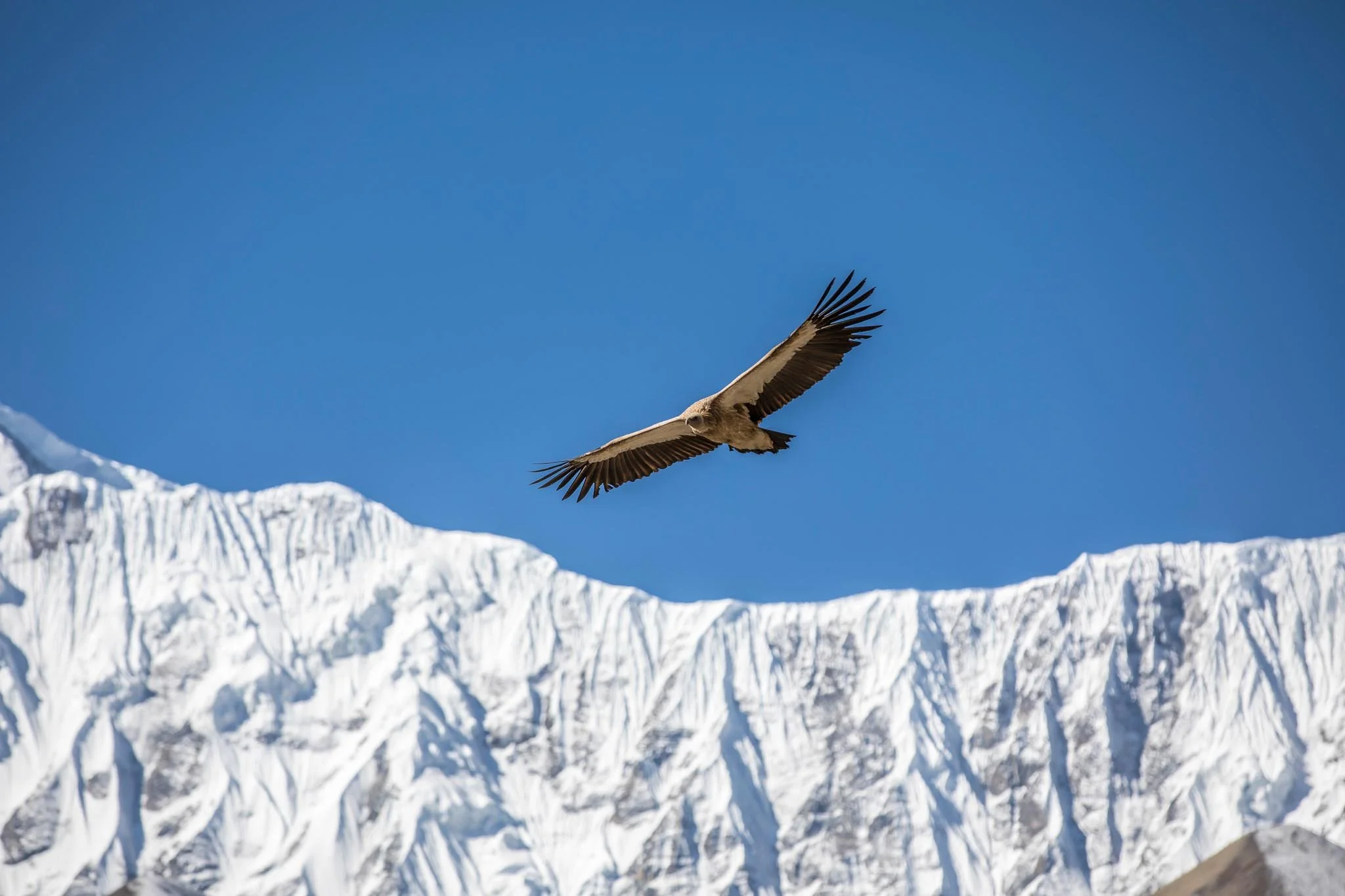
WILDLIFE CONSERVATION AND BIODIVERSITY
Exploring One Of The World's Most Remarkable Natural Classrooms
Conservation Begins With Understanding.
Discover The Extraordinary Biodiversity Of Nepal Through Field Based Learning
Nepal is internationally recognised for its extraordinary biological diversity.
From subtropical forests to alpine ecosystems, the country contains an exceptional variety of habitats supporting iconic wildlife, rare plant species and globally significant protected landscapes.
Location Nepal Global Learning partners with universities to create immersive conservation programs where students explore biodiversity through direct observation, scientific discussion, community engagement and field experience.
Students do not simply learn about conservation.
They experience the complex relationships between wildlife, ecosystems and people.
WHY STUDY WILDLIFE CONSERVATION IN NEPAL
A Country Of Extraordinary Ecological Diversity
Although relatively small in size, Nepal contains one of the greatest ranges of ecosystems found anywhere in the world.
Within a single journey students may encounter:
Snow covered mountain environments.
Alpine meadows.
Temperate forests.
River systems.
Wetlands.
Subtropical jungles.
Grasslands.
Community managed forests.
Protected landscapes.
This diversity makes Nepal an exceptional destination for understanding biodiversity, conservation science and ecosystem management.
LEARNING FROM PROTECTED LANDSCAPES
National Parks As Living Laboratories
Nepal's protected areas provide valuable opportunities for experiential learning.
Students can explore how conservation is approached through science, policy, community participation and long term environmental management.
Programs may include learning about:
Habitat conservation.
Protected area management.
Species monitoring.
Wildlife corridors.
Ecological restoration.
Human wildlife relationships.
Community conservation initiatives.
Conservation education.
Field experiences encourage students to examine conservation challenges from multiple perspectives rather than through theory alone.
WHAT STUDENTS CAN EXPLORE
Understanding Biodiversity Through Experience
Wildlife Ecology
Explore ecosystem relationships and species interactions across diverse habitats.
Biodiversity Conservation
Understand why biodiversity matters for ecological resilience and human wellbeing.
Protected Area Management
Learn how national parks and conservation areas balance ecological protection with community needs.
Human Wildlife Relationships
Examine opportunities and challenges where people and wildlife share landscapes.
Community Based Conservation
Explore how local communities contribute to conservation success through participation, stewardship and traditional knowledge.
Sustainable Resource Management
Understand how conservation and sustainable livelihoods can support one another.
Conservation Communication
Discover how photography, documentary filmmaking and visual storytelling can inspire environmental awareness and public engagement.
LEARNING THROUGH PEOPLE
Conservation Is A Shared Responsibility
Successful conservation depends on collaboration.
Students may engage with professionals and communities working across conservation landscapes.
Depending on program objectives, opportunities may include interaction with:
Conservation practitioners.
Park professionals.
Researchers.
Naturalists.
Community forest groups.
Environmental educators.
Wildlife specialists.
Local communities.
Students gain insight into how environmental decisions affect both ecosystems and the people who depend upon them.
A MULTIDISCIPLINARY PROGRAM
Conservation Connects Many Academic Disciplines
This program can support a wide range of university departments.
Including:
Conservation Biology.
Ecology.
Environmental Science.
Wildlife Management.
Geography.
Forestry.
Climate Science.
Sustainability.
Development Studies.
Tourism.
Photography.
Film Studies.
Journalism.
Environmental Policy.
Because conservation intersects with science, economics, culture and governance, students benefit from interdisciplinary learning.
FIELD LEARNING EXPERIENCES
Designed Around Your Academic Objectives
Examples Of Learning Experiences
Protected area visits.
Habitat observation.
Wildlife interpretation.
Community conservation discussions.
Environmental workshops.
Research presentations.
Photography assignments.
Visual storytelling projects.
Reflection sessions.
Student led discussions.
Independent field projects.
Every program is customized according to faculty objectives, available time and student learning outcomes.
THE LOCATION NEPAL LEARNING NETWORK
Connecting Students With Conservation Knowledge
Location Nepal Global Learning collaborates with professionals across Nepal whose expertise enriches conservation education.
Depending on your academic goals, students may engage with:
Researchers.
Conservation organizations.
Protected area professionals.
Environmental educators.
Naturalists.
Community leaders.
Creative communicators.
Photographers.
Documentary filmmakers.
Scientists.
This network helps students understand conservation through multiple perspectives and disciplines.
OUR EXPERIENCE IN NATURAL ENVIRONMENTS
Built Upon Years Of Field Experience Across Nepal
Location Nepal Global Learning builds upon decades of experience working throughout Nepal's mountains, forests, protected landscapes and remote communities.
Our wider creative network has documented wildlife, landscapes, environmental change and conservation initiatives while supporting international documentary productions, editorial assignments and visual storytelling projects.
This experience allows us to design meaningful educational programs grounded in practical field knowledge and responsible engagement.
WHO THIS PROGRAM IS FOR
Designed For Universities And Conservation Focused Programs
Suitable For:
Faculty Led Programs.
Conservation Biology Departments.
Environmental Science Programs.
Ecology Courses.
Wildlife Studies.
Forestry Schools.
Geography Departments.
Graduate Research Programs.
International Education Offices.
Interdisciplinary Sustainability Programs.
CUSTOMIZE YOUR PROGRAM
Every Conservation Program Is Different
Every university brings unique academic goals.
Programs can be developed according to:
Learning outcomes.
Academic discipline.
Program duration.
Season.
Field locations.
Student experience.
Research priorities.
Institutional objectives.
Whether you are planning a short field course or an extended conservation program, we work collaboratively to create an experience that supports your curriculum.
FREQUENTLY ASKED QUESTIONS
Is this a wildlife safari?
No.
This is an academic field program designed around learning objectives rather than tourism experiences.
Can the program include research activities?
Yes.
Programs may include field observations, ecological discussions, biodiversity documentation and other educational activities appropriate to the academic objectives.
Which students benefit most?
Students studying ecology, conservation biology, environmental science, geography, sustainability, forestry, wildlife management, journalism, photography and related disciplines.
Can the program be combined with climate change studies?
Yes.
Many universities combine biodiversity, conservation and climate change into interdisciplinary learning experiences.
Do you create customized conservation programs?
Yes.
Every program is developed collaboratively with faculty members and tailored to institutional goals.
RELATED PROGRAMS
Students interested in this program may also explore:
Climate Change And Himalayan Futures
Public Health And Mountain Communities
Sustainable Tourism And Community Development
Anthropology And Cultural Studies
Documentary Filmmaking And Visual Storytelling
Independent Research And Capstone Projects
Protecting Nature Begins With Understanding It
Conservation is one of the defining challenges and responsibilities of our generation.
The most meaningful conservation education happens when students experience ecosystems directly, engage with people working to protect them and understand the complex relationships between biodiversity and society.
Location Nepal Global Learning helps universities create conservation programs that are academically rigorous, professionally coordinated and grounded in authentic field experiences.
If your institution is exploring wildlife conservation, biodiversity or environmental education in Nepal, we would be delighted to begin the conversation.
Together, we can create a learning experience that inspires scientific curiosity, environmental responsibility and long term impact.
Nepal's extraordinary biodiversity offers far more than remarkable wildlife.
It provides an opportunity to understand the relationships between ecosystems, communities and the future of conservation.
Location Nepal Global Learning connects universities with Nepal's natural landscapes and conservation knowledge to create field experiences that deepen understanding and inspire responsible stewardship.
Nepal is the Classroom.
Experience is the Curriculum.