Helicopter Logistics & Charter Services for Filming and Photography in Nepal
Helicopter Logistics Nepal
Planning, Coordinating and Managing Helicopter Operations for Productions, Research and Specialist Projects
A helicopter may be the most visible part of a mountain operation, but it is rarely the part that makes the operation work. Long before an aircraft arrives at a landing site, there are locations to assess, routes to understand, permits to obtain, people to coordinate, equipment to move, weather to monitor, insurance requirements to review and safety questions to answer. For an international production, research expedition, university programme or specialist photography assignment, the helicopter is one component within a much larger operation.
Location Nepal provides helicopter logistics and production coordination for international films, documentaries, photography, research, conservation, scientific expeditions, universities, faculty led programmes, Global Learning projects, aerial photography, location scouting, remote access and specialist mountain assignments across Nepal.
Our role is to understand what the project actually needs and then build the helicopter operation around it.
That can mean arranging access to a remote filming location, coordinating an aerial cinematography operation, supporting a research team, moving people and equipment, carrying out a location recce, planning a specialist photography assignment, organising a faculty led field programme or coordinating a complex multi day operation involving several locations and different aircraft requirements.
We work with helicopter operators, pilots, production teams, field specialists, researchers, photographers, cinematographers, universities and other professionals according to the nature of the assignment.
For productions coming from overseas, we can also become the local coordination point between the client and the aviation operation, helping manage the practical details that are often difficult to navigate from outside Nepal.
This includes the questions that serious productions need answered before an aircraft is booked.
What aircraft is appropriate?
Who is operating it?
What are the pilot's qualifications and experience?
What are the applicable aviation requirements?
What insurance is required?
What is the aircraft's operational history and documentation?
What are the weather and route considerations?
What permissions are required?
What happens if the weather changes?
What happens if the aircraft becomes unavailable?
How will the camera system, passengers or cargo be handled?
What is the evacuation or emergency plan?
For major studios, broadcasters, international agencies, research institutions and universities, these are not optional details. They are part of the production, risk assessment and duty of care.
Our responsibility is not simply to find a helicopter.
It is to understand the entire operation around the helicopter and coordinate the right people, aircraft, permissions, safety procedures and logistics for the job.
That same approach extends beyond film production. Gautam Dhimal and Location Nepal also develop and support specialist aerial photography assignments, photography tours and workshops, research expeditions, Global Learning programmes and other carefully planned experiences where helicopter access forms part of the creative or educational objective.
The helicopter is the aircraft. The real service is everything that makes its operation possible.
Beyond Helicopter Booking
We Coordinate the Operation Around the Aircraft
Booking a helicopter is often the easiest part of a mountain operation. The difficult questions begin before the booking is made. Where exactly does the aircraft need to go? What is the purpose of the flight? Who is travelling? What equipment is being carried? Is the location suitable? What permissions apply? What weather conditions are expected? What does the pilot need to know? What happens if the planned landing cannot take place? And how does the helicopter fit into the wider production or field schedule?
These questions become even more important when the operation is being undertaken for an international film, major photography assignment, scientific project, university programme or a production working to strict insurance and safety requirements.
We therefore do not approach helicopter logistics as a simple transport booking service.
We begin with the objective of the operation and work backwards.
For a filming assignment, that may mean understanding the shot before determining the aircraft and camera arrangement. For a location recce, it may mean identifying several potential landing areas and planning a practical route between them. For research, it may mean understanding equipment, personnel, field duration and access requirements. For a photography assignment, it may mean coordinating the aircraft, photographer, camera system, timing, light and flight path as one operation.
The helicopter operator remains responsible for the aircraft and flight operation.
Our role is to coordinate the production, field and logistical requirements around that operation and ensure that the right questions are being asked before the aircraft is committed.
This distinction matters.
A helicopter can be booked in minutes.
A properly prepared helicopter operation can take considerably more thought.
We do not sell helicopter flights. We build helicopter operations around what the project needs to achieve.
Aircraft & Pilot Due Diligence
Asking the Questions Serious Productions Need Answered
For a private scenic flight, the questions asked about a helicopter operation may be very different from those asked by an international film studio, broadcaster, university, research institution or major production company. Professional productions often have their own safety departments, insurers, risk assessors and compliance procedures, and they need considerably more information before approving an aircraft and pilot.
We understand that requirement.
For relevant assignments, we can help gather and review the operational information required to make an informed decision about the helicopter arrangement.
Depending on the nature of the project, this can include:
Aircraft type and suitability
Operator credentials
Pilot qualifications
Pilot experience
Relevant mountain and high altitude experience
Aircraft documentation
Maintenance records and status
Operational limitations
Insurance documentation
Aviation regulatory requirements
Passenger and cargo considerations
Camera and equipment payload
Flight planning
Weather limitations
Landing and take off considerations
Emergency procedures
Rescue and evacuation arrangements
Communications
Contingency arrangements
The level of due diligence should reflect the assignment.
A university photography programme may require a different review from a major international feature film. A scientific expedition carrying specialist equipment may have different requirements from a commercial production carrying a cinema camera package.
We therefore work with the client to understand their own compliance, insurance and production requirements and then coordinate with the appropriate aviation professionals to obtain the information needed.
We do not substitute our judgement for that of the licensed aviation operator, regulator, insurer or the client's own safety team.
Instead, we help make sure the right information reaches the right people before the operation begins.
For large productions, that preparation can make the difference between a helicopter being merely available and an aircraft operation that can actually pass the production's internal approval process.
The right helicopter is not simply the one that is available. It is the one that is appropriate for the operation.
Permits, Regulations & Local Coordination
The Paperwork Is Part of the Operation
Helicopter operations in Nepal can involve several layers of coordination depending on the purpose of the flight, location, aircraft, passengers, cargo and nature of the assignment. For a professional production, the practical work does not stop when a helicopter has been identified. The required permissions, documentation and local coordination need to be understood and addressed before the operation takes place.
We can coordinate the Nepal side of these requirements with the relevant aviation and local authorities, operators, production teams and location stakeholders.
Depending on the assignment, this may involve:
Aviation permissions
Location permissions
Protected area requirements
Landing permissions
Local authority coordination
Production permits
Passenger documentation
Equipment and cargo documentation
Temporary equipment import
Customs coordination
Insurance documentation
Flight planning information
Pilot and aircraft documentation
Local liaison
Community coordination
Ground transport
Accommodation and field logistics
The requirements can change significantly from one assignment to another. A helicopter used to reach a remote filming location is not necessarily subject to exactly the same practical considerations as an aerial cinematography flight, a scientific expedition or a university field programme.
For international clients, we can act as a local coordination point and help identify what needs to be arranged before the crew arrives.
Where specialist equipment is being brought into Nepal, we can also assist with the practical handling around temporary import, customs and movement of equipment, subject to the applicable requirements.
The goal is to identify the administrative and regulatory requirements during pre production rather than discovering them when the helicopter and crew are already waiting.
Good helicopter logistics begins long before the rotor starts turning.
Choosing the Right Helicopter
The Aircraft Has to Match the Job
There is no single helicopter that is right for every production or field operation in Nepal. The aircraft that works well for carrying a small photography team into a mountain location may not be the right choice for a cinema production carrying a larger camera system. A research team may have completely different requirements again, particularly when scientific equipment, additional personnel or specialist cargo is involved.
We therefore start with the requirements of the assignment and then look at the appropriate aviation solution.
Depending on the project, we consider:
Number of passengers
Aircraft payload
Camera and equipment weight
Cargo requirements
Flight range
Altitude requirements
Landing conditions
Access to remote locations
Duration of the operation
Number of locations
Mountain and weather conditions
Photography or filming requirements
Passenger comfort where relevant
Fuel and operational considerations
Emergency and contingency requirements
For aerial cinematography, the camera system and aircraft also need to work together. A production may require a gyro stabilised system, a particular camera body, long lenses, high resolution still photography or a specialised aerial configuration. These requirements need to be considered before the aircraft is selected.
For access work, the priorities may be different. The aircraft may need to carry people and equipment to a remote location, remain available for a particular window or operate as part of a larger field programme.
We coordinate with the aviation operator and the production team to establish what is actually required rather than selecting an aircraft simply because it is available.
Where the client's own aviation or safety department has specific requirements, we can incorporate those into the selection and due diligence process.
The right aircraft is determined by the mission, not by the helicopter that happens to be sitting on the apron.
Helicopter Access to Remote Locations
Reaching Places That Change the Production
In Nepal, the distance between a practical access point and the place where a story needs to be told can be considerable. A location may take days to reach on foot, require several changes of transport or become inaccessible because of weather or seasonal conditions. For some productions and field projects, helicopter access can change the entire logistics of the assignment.
We can coordinate helicopter access for locations across Nepal according to the requirements of the project.
This can support:
Film locations
Documentary locations
Photography assignments
Wildlife and conservation projects
Scientific research
Environmental fieldwork
Glacier and cryosphere studies
University field programmes
Faculty led expeditions
Academic research
Location scouting
Recce and advance work
Remote community projects
Expedition support
Emergency and contingency access where appropriate
The helicopter can be used simply to reach a location, to move equipment and personnel, to establish a base for fieldwork or to support a larger production operating across several remote areas.
Planning the access requires more than identifying a landing point.
We consider the route, location conditions, people and equipment travelling, timing, weather, ground arrangements, communications and what happens after the helicopter leaves.
For productions, we also consider how the helicopter movement fits into the filming schedule. A location that is technically reachable may still be impractical if the crew arrives without enough time to work.
For research and academic programmes, the logistics can be developed around the field objectives, equipment and duration of the work.
Sometimes the helicopter is not the shot. It is what makes the shot possible.
Helicopter Aerial Filming & Photography
When the Aircraft Becomes Part of the Camera System
Aerial cinematography from a helicopter is a specialised operation. The aircraft, pilot, camera system, aerial operator, subject, light and flight path all have to work together, often within a very limited window. The creative requirement therefore needs to be understood before the aviation plan is finalised.
For professional productions, we can coordinate helicopter based aerial filming and photography using specialist gyro stabilised camera systems and experienced aerial operators with established industry experience.
This can support:
Feature films
Television
Natural history
Documentaries
Commercials
Tourism films
High end advertising
Editorial photography
Fashion productions
Environmental documentation
Conservation
Scientific imaging
High resolution landscape photography
Himalayan aerial archives
The camera system can be selected according to the production requirement, including heavier cinema configurations where appropriate.
For productions arriving with their own camera system, we can also coordinate the practical requirements around bringing that equipment into Nepal, handling it locally and integrating it with the aerial operation.
The creative brief may be highly specific. A director may require a particular movement through a mountain valley. A cinematographer may need a controlled approach to a subject. A photographer may be looking for a precise relationship between landscape, light and aircraft position.
These requirements are discussed with the aerial team and pilot before the flight.
The aircraft remains under the control of the licensed pilot, while the aerial cinematography team works within the operational limits of the flight.
That relationship between creative ambition and aviation discipline is essential.
The best aerial cinematography happens when the camera team and the flight team understand each other's work.
International Equipment, Customs & Temporary Import
Bringing Your Own Equipment Into Nepal
International productions often arrive with equipment that is already specified by the director, cinematographer, photographer, researcher or university. When that equipment is part of a helicopter operation, the logistics can become more complicated because the production is not only moving people and cameras, but also specialist equipment through customs and into remote operating environments.
We can help coordinate the Nepal side of that process.
Depending on the assignment, this may include temporary import arrangements, customs coordination, documentation, local handling, transportation, storage and movement of equipment between Kathmandu, the helicopter operator and the field location.
This can be particularly relevant for:
Cinema camera systems
Gyro stabilised aerial systems
High resolution photography equipment
Specialist research equipment
Scientific instruments
Survey and documentation equipment
Lighting and support equipment
Production communications equipment
Drone systems
Expedition equipment
University field equipment
Where the client already has a preferred helicopter system, camera package or specialist operator, we do not need to replace it with a locally sourced alternative. We can work around the resources the production already owns or has arranged and take care of the local coordination required to make them workable in Nepal.
Where the required equipment is not available locally, we can also explore temporary import and other appropriate arrangements.
For major international productions, this local handling can save considerable time and reduce the risk of equipment arriving in Nepal without the documentation or coordination needed to move it smoothly into the field.
The exact customs, import and aviation requirements depend on the equipment and assignment, so these are assessed during pre production rather than assumed.
Bring the equipment you trust. We can help make the Nepal side of bringing it here work.
Insurance, Risk Assessment & Production Compliance
The Requirements Behind the Operation
For major productions, helicopter logistics cannot be separated from insurance and risk management. International studios, broadcasters, agencies, universities and research institutions may have their own production safety standards and approval procedures, and a helicopter operation may need to satisfy several layers of documentation before it can be authorised.
We understand that these requirements are part of the production process.
Depending on the assignment, we can help coordinate the information and documentation required around:
Aviation insurance
Aircraft insurance
Public liability
Passenger considerations
Equipment insurance
Production insurance
Risk assessments
Method statements
Aircraft documentation
Pilot documentation
Operator information
Maintenance and operational records
Regulatory requirements
Emergency procedures
Evacuation arrangements
Weather limitations
Flight planning
Production safety requirements
We can also work with the client's own production safety officer, insurer, risk assessor or aviation specialist where they need to conduct their own review.
The purpose is not to replace the responsibilities of the licensed aviation operator or the client's insurance and safety professionals.
It is to make sure that the Nepal operation can provide the information they need to carry out their own due diligence and approvals.
This becomes particularly important for productions carrying expensive cinema equipment, specialist research instruments or large crews into remote environments.
For universities and academic programmes, similar principles may apply through institutional risk management, student safety procedures and faculty approval processes.
Every assignment has its own requirements, and we establish those requirements before the operation rather than trying to fit a standard package to every client.
When people, aircraft, expensive equipment and remote locations come together, proper preparation is not paperwork. It is risk management.
Helicopter Logistics for Research & Global Learning
Supporting Universities, Faculty and Field Based Education
For universities and faculty led programmes, helicopter access can be much more than transportation. It can make otherwise difficult field sites accessible for research, teaching, photography, environmental observation and experiential learning. At the same time, academic institutions often have their own requirements around risk assessment, student welfare, insurance, documentation, faculty supervision and programme planning.
Location Nepal can support universities, faculty members, researchers and Global Learning programmes that need helicopter logistics within Nepal.
This can include:
Faculty led programmes
Academic expeditions
Research fieldwork
Student field programmes
Environmental studies
Geography and geology
Climate and cryosphere research
Biodiversity and conservation
Cultural research
Photography programmes
Film and visual storytelling
Mountain studies
Remote community research
Specialist field courses
Signature academic experiences
The helicopter operation can be designed around the academic objective rather than treated as a standalone flight.
We can help coordinate access, locations, field logistics, local specialists, accommodation, transport, permits, safety planning and other requirements around the programme.
For faculty and universities planning ahead, this can begin during programme development. Proposed field locations can be assessed, access options compared and the practical requirements of the expedition incorporated into the academic schedule.
Where students are involved, additional attention can be given to group movement, supervision, communication, emergency planning and institutional requirements.
Global Learning programmes can also incorporate specialist aerial experiences where appropriate, including aerial photography, landscape observation and guided visual documentation.
The goal is to make the helicopter one carefully managed component of a meaningful field experience rather than simply adding an aircraft to an itinerary.
For universities, the journey is part of the learning. The logistics have to make that journey possible.
Signature Aerial Photography Tours & Workshops
Learning to See the Himalayas From Above
There is a difference between taking a helicopter flight over the mountains and designing an aerial photography experience around the way a photographer actually sees. The aircraft, flight path, time of day, weather, light, seat position, camera choice and the relationship between the landscape and the photographer all influence what can ultimately be created.
Gautam Dhimal develops specialist aerial photography experiences for photographers, visual storytellers, small groups, institutions and private clients who want to experience Nepal from an unusually close and carefully considered aerial perspective.
These can be developed as bespoke photography tours, private assignments, workshops or signature experiences, depending on the participants and objectives.
The experience can include:
Himalayan aerial photography
Mountain landscape photography
High altitude photography
Helicopter based photography
Aerial composition
Landscape perspective
Light and weather observation
Camera and lens selection
Field photography guidance
Location based visual storytelling
Photography mentoring
Private photography experiences
Small group workshops
Faculty and university programmes
The focus is not simply on visiting a famous mountain and taking photographs through a helicopter window.
The experience is planned around photography.
Where appropriate, flight routes, timing and locations can be developed around the visual objective, while the aviation operation remains within the requirements and limitations established by the operator and pilot.
For photographers who want to work at a more serious level, the experience can also become an opportunity to understand how aerial perspectives change the way we read mountains, valleys, settlements, glaciers and the relationship between people and landscape.
These experiences can be developed independently or as part of wider Global Learning, university, faculty or specialist photography programmes.
They also build naturally on Gautam's long term work as a photographer and his Himalayan visual projects, including Himalayan Fashion Adventure and his continuing work documenting the landscapes of Nepal.
The purpose is not simply to see the Himalayas from a helicopter. It is to learn how to photograph what you see from there.
Helicopter Logistics for Film & Location Scouting
See the Location Before You Commit the Production
For some productions, the helicopter is needed long before the cameras are ready to shoot. Aerial access can be the fastest way for a director, producer, location manager or cinematographer to understand a landscape, compare potential locations and work out whether a proposed sequence is actually achievable. A few hours of well planned aerial recce can sometimes save days of ground travel and prevent a production from committing to a location that will not work.
Location Nepal can coordinate helicopter based location scouting, recce and advance work for productions across Nepal.
This can be useful for:
Feature films
Television productions
Commercials
Documentaries
Natural history
Fashion productions
Music videos
Photography productions
Tourism campaigns
International location scouts
Production designers
Directors
Cinematographers
Location managers
The objective can be as simple as understanding access to a remote location or as detailed as assessing several potential filming sites from the air.
We can help coordinate the aircraft, route, passengers, timing, local ground support and any permissions or logistical requirements needed for the recce.
Where appropriate, the same operation can also allow the production team to capture reference photographs, aerial location material or visual information that can be used during planning.
For larger productions, the helicopter recce can become part of a wider pre production process, connecting location research with access planning, aerial cinematography, ground logistics and the eventual filming schedule.
This can be particularly valuable in Nepal's mountain regions, where a location that appears close geographically may involve significant travel and difficult terrain on the ground.
Aerial reconnaissance does not replace a proper ground scout.
It helps the production decide where that ground scout needs to happen and what the crew should expect when it gets there.
Sometimes the most valuable helicopter flight happens before the first frame of the film is shot.
Helicopter Cargo & Equipment Logistics
Moving What the Field Operation Actually Needs
People are only one part of what has to reach a remote location. A production may need cameras, lenses, tripods, batteries, communications equipment and field supplies. A research team may have scientific instruments that cannot be carried comfortably over a long mountain route. An expedition may need food, shelter, technical equipment and other supplies moved between locations. Planning the aircraft without planning the cargo is therefore only half the operation.
We can coordinate helicopter logistics for the movement of people and equipment according to the requirements of the assignment and the operational limitations established by the aviation operator.
This can include:
Film and photography equipment
Cinema camera systems
Aerial camera systems
Research instruments
Scientific equipment
Expedition equipment
Communications equipment
Field supplies
Camping equipment
Production supplies
Technical cases
Baggage and personal equipment
Specialist cargo
The weight, dimensions, packaging and handling requirements of the cargo need to be understood before the flight is planned.
For expensive or sensitive equipment, we can also coordinate how it is packed, handled, transferred and accounted for between Kathmandu, the aircraft, ground transport and the field location.
Where equipment needs to arrive before the crew, or move between several field locations, the helicopter operation can be incorporated into a larger logistics plan rather than treated as a series of individual flights.
Standby requirements can also be considered where the production genuinely depends on the aircraft remaining available for a particular period.
The appropriate arrangement will always depend on the aircraft, operator, route, weather, payload and applicable aviation requirements. We work with the licensed operator to ensure that the proposed movement is operationally appropriate.
A helicopter does not just carry people into the mountains. Properly planned, it can move the entire field operation with them.
Standby Helicopter & Multi Day Operations
When the Aircraft Needs to Be Part of the Schedule
Some helicopter operations are straightforward. The aircraft arrives, carries the team to a location and returns. Others are built around a narrow weather window, a moving production, several remote locations or a field team that cannot afford to wait for an aircraft to become available at the last minute. In those cases, simply booking a flight is not enough. The aircraft's availability needs to be considered as part of the production schedule.
We can coordinate standby and multi day helicopter arrangements where the nature of the assignment requires it.
This can be relevant for:
Feature film productions
Documentary filming
Natural history productions
Photography assignments
Remote location shoots
Scientific expeditions
Conservation fieldwork
Research programmes
Faculty led expeditions
Global Learning programmes
Location scouting
Multi location productions
Expedition support
A standby arrangement can provide the production with greater flexibility when weather, access or the movement of the crew may change during the day.
For longer assignments, we can coordinate the relationship between the helicopter schedule and the wider field plan, including accommodation, ground transport, equipment movement, landing locations and crew availability.
The purpose is not to keep an aircraft waiting unnecessarily. Helicopter time is expensive and should be used intelligently.
Instead, we look at the actual risk to the production and determine whether standby, advance positioning, scheduled access or another arrangement makes practical sense.
For some assignments, having the aircraft available at the right moment can protect several days of production. For others, a carefully planned transfer may be more efficient.
Those decisions are made during planning, in consultation with the operator and the client.
The right helicopter schedule is not about keeping an aircraft busy. It is about keeping the production moving.
One Point of Coordination
Bringing the Moving Parts Together
A complex helicopter operation can involve many separate parties. There may be an aircraft operator, pilot, aerial cinematographer, camera system provider, production company, location manager, customs agent, local authority, researcher, university, insurer, ground transport provider and field team. When each party is communicating separately, small gaps can become expensive problems.
Our role is to bring those moving parts together around one practical plan.
We can coordinate between:
Helicopter operators
Pilots
Aerial cinematographers
Camera system providers
Film productions
Photographers
Production companies
Location managers
Researchers
Universities
Faculty teams
Conservation organisations
Local authorities
Aviation stakeholders
Customs and logistics providers
Ground transport
Mountain specialists
Field teams
Insurance and safety representatives
For an international client, this can provide a single local point of contact who understands both the production requirement and the realities of working in Nepal.
For a helicopter operator, it means the operation can be presented with a clear understanding of the client's actual requirements rather than a vague request for a flight.
For a cinematographer or photographer, it means the creative requirement can be discussed properly with the aerial team and pilot.
For a university or research institution, it means the field operation can be coordinated around the academic or scientific objective.
And for the client, it means fewer separate conversations to manage from another country.
We do not need to be the provider of every individual service.
Our value is in knowing which provider is appropriate, what information they need, how the pieces fit together and what needs to happen next.
Complex operations become manageable when somebody takes responsibility for connecting all the pieces.
Contingency & Operational Preparedness
Planning for the Day the Plan Changes
A helicopter operation can be perfectly planned and still be affected by weather, aircraft availability, landing conditions, equipment problems, changes in the production schedule or circumstances at the destination. In Nepal's mountains, those variables can become significant very quickly. A responsible logistics plan therefore needs alternatives before the operation begins.
We build contingency thinking into the planning process wherever the assignment warrants it.
That can include identifying alternative aircraft, backup pilots or operators where appropriate, alternative landing locations, additional weather windows, standby arrangements, alternative ground transport, spare equipment, backup communications and different ways of reaching the same objective.
For a major production, the backup may exist at several levels.
There can be resources at the filming location, resources at the base, resources in Kathmandu and additional arrangements available through the wider production network.
The same principle applies to personnel. If a specialist operator, pilot, camera system or field crew member becomes unavailable, the production should already have considered whether there is an alternative.
We also look at what the crew can accomplish if the helicopter cannot fly.
A location recce may become a ground scout. A planned aerial shoot may become a photography or ground filming day. Equipment preparation, interviews or work at another location may be brought forward.
These decisions are made according to the project rather than through a fixed contingency package.
The objective is simple: protect people first, then protect the production schedule as far as reasonably possible.
The strongest contingency plan is rarely visible. It is the preparation that allows everyone to keep working when something changes.
Helicopter Operations Across Nepal
From Kathmandu to the High Himalayas and Beyond
Nepal's geography changes dramatically within a relatively short distance. A helicopter operation from Kathmandu to a mountain filming location can involve very different terrain, weather, access, communities and regulatory considerations depending on where the project is headed. That is why we do not treat helicopter logistics as a single standard route or service.
Location Nepal can coordinate helicopter operations across a wide range of environments according to the requirements of the assignment and the capabilities of the selected operator.
This can include work involving:
Everest region
Annapurna region
Manang
Mustang
Manaslu
Langtang
Dolpo
Humla
Kanchenjunga region
High Himalayan valleys
Glacial areas
Mountain passes
Remote settlements
Conservation areas
Research locations
Cultural landscapes
Rural and difficult access areas
The exact operation depends on the proposed destination, season, weather, altitude, landing conditions, aircraft capability, permissions and purpose of the flight.
For this reason, we prefer to assess a proposed location properly before confirming what is possible.
A production may require only a short aerial recce. Another may need several days of access and equipment movement. A photographer may have a precise route and timing requirement. A research team may need repeated access to a remote field site. A university programme may need to coordinate several groups and locations.
The geography is the same country, but the logistics can be completely different.
Our role is to understand that difference and build the operation accordingly.
Nepal is small on the map. The logistics of moving through it can be anything but small.
One Network Across Many Kinds of Work
From Film Production to Himalayan Photography
Helicopter logistics sits at the intersection of many of the things we do in Nepal. A film production may need remote access and aerial cinematography. A photographer may need a carefully timed flight over a particular landscape. A university may need to reach a field site. A researcher may need equipment and personnel moved into a remote environment. A conservation project may require repeated access to a difficult location. A Global Learning programme may need to combine field education with an extraordinary aerial experience.
The logistics may look different, but the underlying requirement is often the same: someone needs to understand the objective, know Nepal, coordinate the right people and make the operation work safely and practically.
That is where Location Nepal's wider production network becomes useful.
Our work extends across film production, photography, location management, field research, environmental documentation, aerial imaging, cultural projects, Global Learning and specialist Himalayan experiences.
Gautam Dhimal brings another dimension to that network through his long experience as a photographer, filmmaker and producer, including aerial and Himalayan visual work and projects such as Himalayan Fashion Adventure.
This means a helicopter operation can be developed from the perspective of the final image, the production requirement, the research objective or the educational experience rather than being treated simply as transportation.
The same network can support the planning before the flight, the operation itself and the work that follows it.
That may mean a film crew, a photographer, a researcher, a university group or a specialist aerial assignment.
The client does not need to understand every part of the Nepal production ecosystem before making contact with us.
That is part of what we are here to help with.
One country. Many kinds of work. One experienced local network to bring the pieces together.
When You Cannot Come to Nepal
We Can Build the Operation for You
Not every client who needs something from Nepal can put a crew on a plane and spend weeks in the mountains. A production may need a specific aerial sequence. A photographer may need a particular perspective. A researcher may need field images from a location that is difficult to reach. A university may want to develop a Nepal programme without maintaining its own local production infrastructure.
In these cases, Location Nepal can act as the local production and logistics partner.
You can provide the brief, reference material, location, route, visual requirement, research objective or field plan and we can investigate what is required to execute it in Nepal.
Depending on the assignment, we can coordinate the helicopter, pilot, aerial operator, camera system, location access, permissions, local crew, field logistics, customs, equipment handling, photography, filming and delivery.
The client does not have to accept generic stock material or an existing aerial library simply because travelling to Nepal is impractical.
A commissioned operation can be built around exactly what you need.
You may want a particular mountain photographed at a particular time of day. You may need an aerial establishing sequence for a film. You may require a remote location recce before committing to a larger production. You may need a research team to reach a field site and return with documented material.
We can coordinate the Nepal side of that assignment and work with your team remotely throughout the process.
The result is not simply access to something that already exists.
It is an operation created specifically for the project.
You do not always have to come to Nepal to get something made in Nepal.
Who We Work With
Different Projects, Different Requirements
Helicopter logistics in Nepal is not limited to film crews. Over the years, the need for coordinated helicopter access has emerged across very different kinds of professional work, each with its own expectations, equipment, schedules and responsibilities. What connects them is the need for someone on the ground who understands the assignment and can coordinate the aviation operation around it.
Location Nepal can support:
International film and television productions
Film studios and production companies
Directors and cinematographers
Photographers and visual artists
Advertising agencies and brands
Documentary and natural history productions
News and editorial organisations
NGOs and non profit organisations
Conservation and environmental organisations
Scientific and research institutions
Universities and colleges
Faculty led programmes
Global Learning programmes
Academic expeditions
Researchers and field teams
Government and development projects
Location scouts and production designers
Private photography assignments
Specialist aerial photography tours
Photography workshops
Expedition teams
The scale can be equally varied.
We can support a small specialist photography assignment requiring a carefully planned aerial window, or coordinate a much larger operation involving international crews, multiple aircraft movements, specialist camera systems, research equipment, field personnel and several locations.
We do not assume that every client needs the same level of support.
Sometimes the requirement is simply to arrange access.
Sometimes the helicopter is carrying a complete film crew and a heavy camera system.
Sometimes the aircraft is one part of a research expedition.
And sometimes the entire operation needs to be developed from the ground up.
Tell us what you are trying to accomplish. We will help determine what the operation needs.
Why Work Through Location Nepal?
Local Knowledge Between the Client and the Aircraft
A helicopter operator knows helicopters. A pilot knows the aircraft and the flight. A production knows what it needs to create. A researcher knows what needs to be reached. A photographer knows the image they are trying to make. A university knows the objectives and responsibilities of its programme.
A complex Nepal operation needs all of those things to meet in the right place.
Location Nepal sits in that space between the client and the aviation operation, understanding the purpose of the assignment and coordinating the local elements required to make it possible.
We are not trying to replace the expertise of the helicopter operator or pilot. We rely on that expertise. Our role is to make sure it is connected properly to everything else happening around the operation.
That can mean translating a cinematographer's requirement into practical aerial planning, helping a researcher explain the field requirement, coordinating a photographer's timing and location needs, working through a university's institutional requirements or helping an international producer understand what needs to happen locally before the aircraft can be used.
It also means knowing when a helicopter is not the right answer.
Sometimes a vehicle, porter team, drone, fixed wing flight, ground scout or different location may make more sense. The objective is not to sell a helicopter flight.
The objective is to find the most appropriate way to achieve what the client needs.
For international productions, that independent local perspective can be particularly valuable. You are not simply receiving a helicopter booking. You are working with a Nepal based production network that understands locations, people, logistics, filming, photography, research and the realities of working here.
The aircraft is only one part of the solution. We help make sure it is the right part.
Built for Professional Production
The Standard Changes When the Stakes Are High
A helicopter operation supporting a professional production carries a different level of responsibility from an ordinary sightseeing flight. The people involved may have travelled internationally, the equipment may be worth a substantial amount, the filming window may be extremely short and the final material may be part of a major film, global campaign, scientific record or institutional programme.
Our production background comes from working in environments where those expectations are already part of the job.
Location Nepal has supported international productions, photographers, brands, broadcasters, documentary teams and organisations working across Nepal, while Gautam Dhimal has worked across film production, photography, aerial imaging and location based assignments for many years.
That experience includes working with international productions and organisations connected with projects for broadcasters and brands including BBC, Disney, FX, Red Bull, Coca Cola, Panasonic and others.
The value of that experience is not simply the names.
It is understanding what a professional production expects from a local partner.
Clear communication.
Accurate information.
Prepared logistics.
Reliable local coordination.
Respect for production schedules.
Proper handling of equipment.
Practical contingency planning.
And the ability to understand a creative requirement without losing sight of operational realities.
The same standard applies whether the assignment is a major film, a scientific expedition, a university field programme, a specialist photography experience or a small but highly specific aerial commission.
Professional productions do not need promises. They need a local partner who understands what is at stake.
What We Can Coordinate
One Helicopter Operation Can Involve Many Services
The exact scope of every assignment is different. Some clients need only a helicopter and pilot. Others need a complete operation involving locations, production crew, specialist equipment, permissions, customs, safety, ground logistics and aerial cinematography. We can coordinate the appropriate combination rather than forcing every project into a fixed package.
Access & Transport
Helicopter access to remote filming locations, research sites, mountain settlements, field stations, expedition routes and difficult access areas.
Film & Television
Helicopter logistics for feature films, television, documentaries, commercials, natural history, music videos and international productions.
Aerial Cinematography
Coordination of helicopter based filming with specialist gyro stabilised aerial camera systems, experienced aerial operators and appropriate cinema equipment.
Photography
Helicopter based landscape, fashion, editorial, environmental, wildlife and specialist aerial photography.
Location Scouting
Aerial location scouting, recce, advance work, route assessment and location comparison for productions and photographers.
Research & Science
Helicopter logistics for scientific fieldwork, environmental research, cryosphere studies, conservation, biodiversity and academic expeditions.
Universities & Global Learning
Field access, faculty led programmes, academic expeditions, research experiences and specialist aerial learning experiences.
Equipment & Cargo
Movement of cameras, research equipment, expedition supplies, specialist equipment and other approved cargo.
Customs & Temporary Import
Local coordination for international equipment, temporary import requirements, customs handling and movement into the field.
Permits & Liaison
Coordination with relevant aviation, local, location and other authorities according to the requirements of the assignment.
Safety & Compliance
Coordination of aircraft and pilot information, insurance documentation, risk assessment requirements, operational planning and contingency arrangements.
Standby & Contingency
Standby aircraft arrangements, alternative access planning, backup resources and multi day operational support where required.
Specialist Photography Experiences
Bespoke helicopter photography tours, workshops and aerial experiences developed by Gautam Dhimal for photographers, private clients, institutions and educational groups.
Remote Production From Nepal
Complete local coordination for clients who cannot send their own team to Nepal but require specific aerial filming, photography, research or location work to be carried out on their behalf.
One requirement or the entire operation, we build the support around the assignment.
How We Can Work With You
From One Flight to the Entire Operation
Not every project needs a large production structure. Sometimes the requirement is very specific: a helicopter to reach a location, an aerial recce, a particular photography flight or an aircraft to move a small team and equipment. Other assignments require much more preparation and coordination. We can work at either end of that spectrum and build the involvement around what the project actually requires.
Coordinate
You already know what you need and have your own production team, photographer, researcher or technical specialists in place.
We coordinate the Nepal side of the helicopter operation, working with the appropriate operator and handling the local logistics, permissions, access and coordination required for the assignment.
Specialist Operation
You have a clear objective but need specialist support to make it happen.
We can help bring together the aircraft, pilot, aerial cinematographer, camera system, location access, field crew, equipment handling and other requirements necessary for the operation.
Complete Nepal Logistics
You need a local partner to take responsibility for the wider operation.
We can coordinate the planning from the beginning, including location research, recce, permits, aircraft and pilot due diligence, insurance requirements, customs, equipment, crew, ground transport, accommodation, field logistics, safety, contingency and delivery.
The structure can also change during the project.
A simple access requirement may develop into a location recce. A recce may lead to a filming operation. A photography assignment may become a larger aerial archive. A university programme may develop into a recurring field programme.
We can remain involved for as much of that process as the client requires.
Start with what you know. We can help work out everything else.
Independent Coordination, Professional Aviation
We Coordinate the Operation. Licensed Operators Fly It.
It is important to be clear about where our role begins and where the responsibility of the aviation operator begins. Location Nepal coordinates helicopter logistics, production requirements and the many practical elements around an operation. The aircraft is operated by the appropriately licensed helicopter company and pilot responsible for the flight.
We do not replace that aviation responsibility.
The pilot remains responsible for the safe operation of the aircraft, including flight decisions, weather assessment, aircraft limitations, landing decisions and other matters within the pilot's professional authority.
Our role is to make sure the wider operation is properly prepared around those decisions.
That means communicating the client's requirements clearly, coordinating locations and schedules, gathering the relevant information, working through permits and documentation, coordinating equipment and people, arranging ground logistics and ensuring that the production understands the operational limitations.
This separation of responsibilities is particularly important for professional productions.
A director should be able to explain the creative objective without being expected to manage aviation procedures. A university should be able to concentrate on its field programme while the logistics are coordinated properly. A photographer should be able to focus on the image while the flight operation remains under the control of the pilot.
The strongest helicopter operation is one where every professional knows exactly what they are responsible for.
We coordinate the pieces. The licensed aviation professionals make the flight decisions.
Weather, Seasonality & Timing
In Nepal, the Weather Is Part of the Logistics
A helicopter operation can be technically possible and still not be practical on a particular day. Mountain weather can change quickly, visibility can disappear, winds can increase and conditions at the destination can be very different from those in Kathmandu. For productions working to a narrow creative window, understanding these variables before the operation is essential.
We therefore consider seasonality and weather as part of the planning from the beginning.
The appropriate season depends on what the project is trying to achieve. A photographer may be looking for a particular quality of light or landscape condition. A film production may need clear mountain visibility. A research team may have a narrow scientific field window. A university programme may have fixed academic dates that limit flexibility.
The helicopter operation has to be planned around those realities.
This can involve considering:
Seasonal weather patterns
Mountain visibility
Wind conditions
Cloud cover
Precipitation
Landing conditions
Daylight
Flight windows
Route conditions
Altitude
Destination weather
Alternative dates
Contingency time
We coordinate closely with the aviation operator because the pilot remains responsible for the final operational decision to fly.
For productions, we can also help build enough flexibility into the wider schedule that a weather delay does not automatically mean losing the entire assignment.
Sometimes that means planning an additional day.
Sometimes it means having an alternative location.
Sometimes it means arranging standby.
And sometimes the correct decision is simply not to fly.
No photograph, film shot or schedule is more important than making the right operational decision.
Good helicopter logistics does not try to defeat the weather. It plans around it.
Start With a Proper Brief
The More We Understand, the Better We Can Plan
A request such as “We need a helicopter in Nepal” does not tell us enough to recommend the right operation. The aircraft, pilot, permissions, equipment, schedule and cost can all change depending on what the helicopter actually needs to do.
Before arranging an operation, we prefer to understand the assignment properly.
Useful information can include:
Purpose of the operation
Proposed locations
Dates and preferred season
Number of passengers
Crew composition
Equipment and cargo
Camera requirements
Aerial filming or photography requirements
Desired flight duration
Number of locations
Altitude requirements
Research or field objectives
Accommodation requirements
Permits already obtained
Insurance requirements
International production requirements
University or institutional requirements
Any specific aircraft or pilot preference
You do not need to have all of this information before contacting us.
A good initial brief can be as simple as explaining what you are trying to achieve, where you think you need to go and when you are hoping to do it.
From there, we can help identify the questions that need answering.
This is particularly useful for international clients who may not yet know what is possible in Nepal or which requirements apply to their particular project.
We would rather understand the operation properly before suggesting an aircraft or giving a definitive logistics plan.
It allows us to compare options, identify complications early and build a realistic approach around the actual objective.
Tell us what you need to achieve. We will help turn it into an operation.
From Flight to Final Delivery
The Operation Does Not End When the Helicopter Lands
For many assignments, the helicopter flight is only the middle of the process. The aerial material may become part of a feature film, documentary, advertising campaign, research archive, publication, exhibition, university programme or a larger body of photographic work. What happens to the material after the flight therefore needs to be considered before the operation begins.
Where we are coordinating filming or photography, we can also help plan the practical workflow around the material being created.
Depending on the assignment, this can include:
Camera and media coordination
Data handling
Field backups
Image and footage organisation
Metadata and location information
Still photography delivery
Video footage delivery
Research documentation
Location reference material
Production archives
High resolution master files
Selected edited material
Delivery to international production teams
Remote client review
For an international production that cannot send a crew to Nepal, this becomes particularly useful. The assignment can be commissioned remotely, the aerial operation can be coordinated locally, and the resulting footage or photography can be prepared for delivery to the production team.
The material is created specifically for the project rather than taken from an existing stock library.
That distinction can matter greatly when the production needs a particular mountain, a particular perspective, a specific season or an exact aerial movement that cannot be found in generic stock footage.
For research and academic projects, the material can also be organised as a useful record of the field operation, with location and contextual information retained where appropriate.
For Gautam Dhimal's own aerial photography assignments and Himalayan visual projects, the flight can similarly be part of a much larger photographic or archival objective.
The helicopter creates the opportunity. What we capture, preserve and deliver is what ultimately gives the operation its value.
Frequently Asked Questions
Helicopter Logistics in Nepal
What is helicopter logistics in Nepal?
Helicopter logistics is the planning and coordination required around a helicopter operation. It can include aircraft and pilot coordination, access, locations, permits, insurance, safety documentation, equipment, cargo, customs, ground transport, accommodation, field teams, contingency planning and liaison with the relevant parties.
Do you provide helicopters directly?
We coordinate helicopter operations through appropriate licensed helicopter operators and pilots. Our role is to understand the client's requirement and coordinate the aviation operation with the wider production, research, photography or field programme.
Are you a helicopter operator?
No. Location Nepal is a production and logistics company. The helicopter is operated by the appropriately licensed aviation operator and pilot responsible for the flight.
Why should I use Location Nepal instead of contacting a helicopter company directly?
A helicopter operator provides the aircraft and flight operation. Location Nepal can coordinate the wider requirement around it, including locations, production planning, permits, equipment, customs, crew, ground logistics, insurance documentation, research requirements, university programmes and contingency planning.
Can you arrange helicopter access to remote filming locations?
Yes. We can coordinate helicopter access for filming, photography, research, conservation, expeditions, location scouting and other specialist assignments, subject to the location, aircraft capability, permissions, weather and operational conditions.
Can you arrange helicopter filming in Nepal?
Yes. We can coordinate helicopter based aerial cinematography, including specialist gyro stabilised camera systems and experienced aerial operators, according to the requirements of the production.
Can you arrange helicopter photography?
Yes. Helicopter photography can be arranged for professional photographers, editorial assignments, commercial work, landscape photography, fashion, environmental documentation, research and specialist aerial photography experiences.
Can you arrange aerial photography for clients who cannot travel to Nepal?
Yes. Aerial photography or filming can be commissioned remotely when the client cannot send a crew to Nepal. We can coordinate the local operation around a specific brief and deliver the resulting material to the client.
Will you provide stock aerial footage?
Not necessarily. Where a project requires something specific, we can arrange commissioned filming or photography rather than relying on generic stock material. The assignment can be planned around the exact location, perspective, season, light or visual requirement.
Can international productions bring their own cameras?
Yes. Where the production already has a preferred camera system or specialist equipment, we can coordinate the Nepal side of the operation, including local handling, customs and temporary import requirements where applicable.
Can you temporarily import specialist aerial equipment into Nepal?
We can coordinate temporary import and customs requirements for specialist equipment where appropriate and subject to the applicable Nepalese requirements.
Can you handle customs for film and photography equipment?
We can coordinate the local customs and logistics process with the relevant parties. The exact documentation and procedures depend on the equipment, ownership, duration and nature of the assignment.
Can you arrange gyro stabilised aerial camera systems?
Yes. Where the production requires specialist helicopter based aerial cinematography, we can coordinate appropriate gyro stabilised systems and experienced aerial operators.
Can you arrange heavier cinema camera systems?
Where appropriate, we can explore helicopter and camera configurations capable of carrying heavier professional cinema equipment, subject to aircraft payload, operational limitations and the requirements established by the aviation operator.
Can a helicopter carry production equipment as well as people?
Potentially, depending on the aircraft, payload, passenger numbers, cargo dimensions and applicable operational limitations. These requirements are assessed before the flight is planned.
Can you move research equipment by helicopter?
Yes. Helicopter logistics can be coordinated for scientific instruments, research equipment and field supplies where the aircraft and operation are suitable.
Can you arrange helicopter cargo and equipment transport?
Yes. We can coordinate the movement of approved production, research, expedition and other field equipment in conjunction with the helicopter operator.
Can you arrange a helicopter for location scouting?
Yes. Helicopter based location scouting and aerial recce can be particularly useful for remote mountain locations and productions considering several possible filming areas.
Can you arrange aerial recce before a production arrives?
Yes. A local aerial recce can be commissioned to assess locations, access, terrain, possible filming positions and other practical considerations before the main international crew arrives.
Can you arrange permits for helicopter operations?
We can coordinate the applicable permits and local liaison according to the nature and location of the assignment. Requirements vary depending on the operation, and final approvals remain subject to the relevant authorities and aviation requirements.
Can you arrange landing permissions?
Where a proposed operation requires specific landing or location permissions, we can help identify and coordinate the applicable requirements with the relevant parties.
Do helicopter operations require special permissions in Nepal?
Requirements can vary according to the aircraft, operator, destination, purpose of the flight, protected areas, filming activity and other circumstances. We assess the proposed operation during planning rather than assuming that every helicopter flight follows the same process.
Can you arrange helicopter operations inside protected areas?
Potentially, subject to the applicable permissions, regulations, location conditions and aviation requirements. Protected areas require additional attention to the relevant local and environmental requirements.
Can you arrange helicopter access for national parks or conservation areas?
We can coordinate enquiries and logistics for such assignments, subject to the permissions and operational requirements applicable to the specific location.
Can you arrange helicopter flights to Everest?
We can assess and coordinate helicopter requirements involving the Everest region, subject to the specific location, purpose, aircraft capability, weather, permissions and operational restrictions.
Can you arrange helicopter access to Annapurna, Manang or Mustang?
We can coordinate helicopter logistics for assignments involving these regions, subject to the specific location, season, aircraft, permissions, weather and operational conditions.
Can you arrange helicopter operations in Dolpo, Humla or other remote areas?
Potentially, yes. Remote regions require more detailed assessment of access, weather, aircraft capability, permissions, communications, equipment and contingency planning.
Can you arrange helicopter access for glacier or cryosphere research?
Yes. We can coordinate helicopter logistics for scientific and environmental fieldwork involving glaciers, high altitude environments and cryosphere research, subject to the requirements of the specific operation.
Can you support scientific expeditions?
Yes. We can coordinate helicopter access, equipment movement, field logistics and local production support for scientific and environmental expeditions.
Can universities use your helicopter logistics services?
Yes. We can support universities, colleges, faculty led programmes, academic expeditions, research projects and Global Learning programmes that require helicopter access or aerial experiences.
Can you arrange helicopter logistics for students?
Potentially, depending on the programme and institutional requirements. Student operations require additional attention to supervision, insurance, safety, group movement, permissions and emergency planning.
Can you work with university risk and safety departments?
Yes. We can provide the local coordination and information required for institutional review and work alongside the university's own risk, insurance, safety and programme teams.
Can you create bespoke Global Learning helicopter experiences?
Yes. Helicopter access can be incorporated into carefully designed Global Learning programmes where aerial observation, photography, landscape studies, research or field education forms part of the academic objective.
Can you arrange helicopter photography workshops?
Yes. Gautam Dhimal develops specialist aerial photography experiences and workshops that can incorporate helicopter access where appropriate.
What are Signature Aerial Photography Tours?
They are specialist aerial photography experiences developed around the way photographers want to see and photograph Nepal's landscapes rather than simply taking a sightseeing flight.
Who are Gautam Dhimal's aerial photography experiences for?
They can be developed for individual photographers, private clients, small groups, institutions, universities, faculty programmes and specialist photography workshops.
Can a helicopter photography tour be customised?
Yes. The route, timing, photographic objectives, participants and logistics can be developed around the particular assignment, subject to aviation and operational limitations.
Can you arrange helicopter logistics for photographers who already know what they want to photograph?
Yes. A specific visual brief is often useful. We can then assess the location, timing, access, aircraft requirements and other logistics needed to pursue the assignment.
Can you arrange aerial photography for a particular mountain or landscape?
Potentially, yes. The feasibility depends on the requested location, season, weather, aircraft operation, permissions and the intended photographic objective.
Can you arrange a specific time of day for aerial photography?
We can plan the operation around a preferred photographic window, but the final flight timing remains dependent on weather, aviation requirements and the pilot's operational decisions.
Can you guarantee a particular aerial photograph?
No. Mountain weather, visibility, light and aviation conditions cannot be guaranteed. We can plan carefully around the creative objective and build appropriate contingency into the operation.
Can you arrange standby helicopters?
Where the assignment warrants it, standby or multi day arrangements can be explored with the helicopter operator. The appropriate arrangement depends on the production schedule, location, weather window and operational requirements.
Why would a production need a standby helicopter?
Standby can be useful when a production has a narrow weather window, multiple remote locations, expensive international crew commitments or a schedule where losing access would significantly affect the production.
What happens if the weather prevents the helicopter from flying?
The pilot and operator make the operational decision. Where possible, the wider production plan can include alternative dates, locations, ground activities or other contingency work so that a weather delay does not automatically result in losing the entire production period.
Can you provide backup helicopters?
Alternative aircraft or operators may be considered where the scale and importance of the assignment justify contingency arrangements. Availability and suitability depend on the specific operation.
Can you provide backup pilots?
Where appropriate, alternative pilot or operator arrangements can be explored. Pilot selection remains subject to the qualifications, experience and operational requirements of the aviation operator.
Do you audit the helicopter?
We can coordinate the gathering and review of relevant aircraft information for the client's due diligence process. We do not replace the responsibilities of the licensed aviation operator, regulator, insurer or the client's own aviation safety professionals.
Do you audit the pilot?
We can help gather relevant information about pilot qualifications, experience and suitability for the assignment. Final pilot approval and flight responsibility remain with the licensed operator and the relevant professional and regulatory processes.
Do you check the helicopter's maintenance records?
Where required for a professional production's due diligence, we can coordinate access to relevant operator documentation and information. The aircraft operator remains responsible for maintenance and airworthiness.
Can you provide aircraft insurance information?
We can coordinate the relevant insurance documentation from the operator for review by the client, insurer or production safety department.
Can you arrange production insurance?
We can help identify and coordinate the information required for the helicopter operation, but insurance coverage itself should be arranged and approved by the appropriate insurer or production insurance specialist.
Can you prepare a risk assessment?
We can contribute local operational information and logistics to the client's risk assessment process. Formal aviation risk assessment and flight safety decisions remain the responsibility of the appropriate aviation professionals and the client's own safety procedures.
Can international studios conduct their own safety audit?
Yes. We can work with a production's internal safety department, insurer, aviation specialist or external risk assessor and help provide the local information needed for their review.
Can you work with major film studios?
Yes. We can support international productions and studios requiring professional local production coordination, helicopter logistics, aerial filming, location access and related services in Nepal.
Can you work with broadcasters and streaming productions?
Yes. Helicopter logistics can be coordinated for television, documentary, natural history, streaming and other professional productions.
Can you arrange helicopter logistics for NGOs and non profit organisations?
Yes. We can support appropriate humanitarian, environmental, conservation, documentation and field assignments, subject to the requirements of the specific operation.
Can you coordinate local communities around helicopter access?
Where relevant, we can assist with local liaison and coordination around locations and communities. The exact approach depends on the destination and nature of the project.
Can you arrange ground transport as well?
Yes. Helicopter access is often only one part of the movement plan. We can coordinate appropriate ground transport, drivers, accommodation, equipment movement and other local logistics around the operation.
Can you arrange accommodation for helicopter based projects?
Yes. Accommodation can be incorporated into the wider field logistics plan where required.
Can you arrange porters or equipment carriers?
Where appropriate, local field personnel and equipment carriers can be incorporated into the logistics plan for locations where helicopter access is only part of the operation.
Can you coordinate communications for remote operations?
Where required, communications requirements can be incorporated into the field plan, particularly for remote locations where ordinary mobile connectivity may be limited.
What happens if the helicopter becomes unavailable?
Contingency options depend on the assignment. Where practical, alternative aircraft, operators, dates, access methods or ground logistics can be considered. The appropriate backup strategy is developed during planning.
How early should we start planning a helicopter operation?
As early as possible for complex assignments. International productions, specialist equipment, major aerial filming, research expeditions, university programmes, permits and insurance reviews can all require substantial preparation.
How much does helicopter logistics in Nepal cost?
There is no single standard price. Cost depends on the aircraft, operator, route, flight time, passenger and cargo requirements, standby requirements, specialist camera systems, permits, ground logistics and the complexity of the assignment.
Can you quote a complete helicopter logistics package?
Yes. Once we understand the brief, we can identify the required components and develop an appropriate logistics proposal rather than quoting only an aircraft flight.
Can you arrange everything from Kathmandu?
Kathmandu can serve as the main coordination and logistics base for many operations, but the actual field requirements depend on the destination and assignment.
Can you handle the entire Nepal side while our team stays overseas?
Yes. This is one of the situations where a local production and logistics partner can be particularly useful. We can coordinate the Nepal side of an agreed assignment and communicate with the international client remotely.
Can you create aerial footage specifically for our production if we cannot travel to Nepal?
Yes. A commissioned aerial assignment can be developed around your brief, location and creative requirement rather than relying on generic stock material.
Will we own the footage or photography?
Ownership and usage rights depend on the commissioning agreement. These should be agreed clearly before the assignment begins.
Can you deliver original high resolution files?
Yes, where agreed as part of the assignment. Delivery can be planned around the client's technical and archival requirements.
Can you photograph or film locations for a future production?
Yes. Aerial recce and commissioned location documentation can be arranged to help international productions assess Nepal before committing to a larger shoot.
Can you work with a production that already has its own helicopter operator?
Yes. If the client already has an aviation relationship or preferred operator, we can work with that arrangement and provide the local production, location, customs, logistics and coordination support required.
Can you work with a pilot chosen by the client?
Potentially, provided the pilot and operator meet the applicable qualifications, regulatory requirements, insurance requirements and operational conditions. The aviation operator remains responsible for flight operations.
What if we only need one helicopter flight?
That is fine. Not every assignment requires a large logistics structure. We can coordinate the level of support appropriate to the requirement.
What if we need several helicopters?
For larger productions or field operations, multiple aircraft arrangements can be explored subject to availability, operational requirements and the specific mission.
Can helicopter logistics be combined with drone filming?
Yes. Helicopter and drone operations can sometimes complement one another, with each used for the type of imagery or access it is best suited to provide. They should be planned as separate aviation operations within the overall production.
Can helicopter logistics be combined with ground filming?
Yes. In many cases, the strongest production plan combines helicopter access or aerial work with ground crews, local transport and conventional filming locations.
Do you also provide helicopter filming and aerial photography?
Yes. Helicopter logistics can be developed alongside Location Nepal's wider film production, photography and aerial imaging capabilities.
Is this service only for helicopters?
No. The helicopter is one part of a much wider production and logistics network. If another method of access or filming is more appropriate, we can help assess that as well.
What is the best way to start?
Send us the project brief, proposed location, dates, number of people, equipment, purpose of the operation and anything you already know about the required helicopter work.
You do not need to have every detail worked out.
Tell us what you are trying to achieve in Nepal. We will help work out the logistics.
Planning a Helicopter Operation in Nepal?
Start With What You Need to Achieve
Whether you need a helicopter for a film, an aerial photography assignment, a location recce, a scientific expedition, a university programme, a research project, remote access or a completely different specialist requirement, the first step is understanding what the operation actually needs to accomplish.
Tell us where you want to go, what you need to do, when you are planning to do it and what you need to carry or capture.
You may already have your own helicopter operator, pilot, camera system, production team or university programme.
Or you may be starting with nothing more than an idea.
Either way, Location Nepal can help assess the Nepal side of the operation and coordinate the appropriate combination of aviation, production, photography, research, permits, equipment, customs, safety, access and field logistics.
If you are an international client and cannot come to Nepal yourself, we can also investigate and execute a commissioned operation on your behalf and deliver the resulting material or documentation to you.
Do not start by asking which helicopter you can book. Start by telling us what you need to achieve.
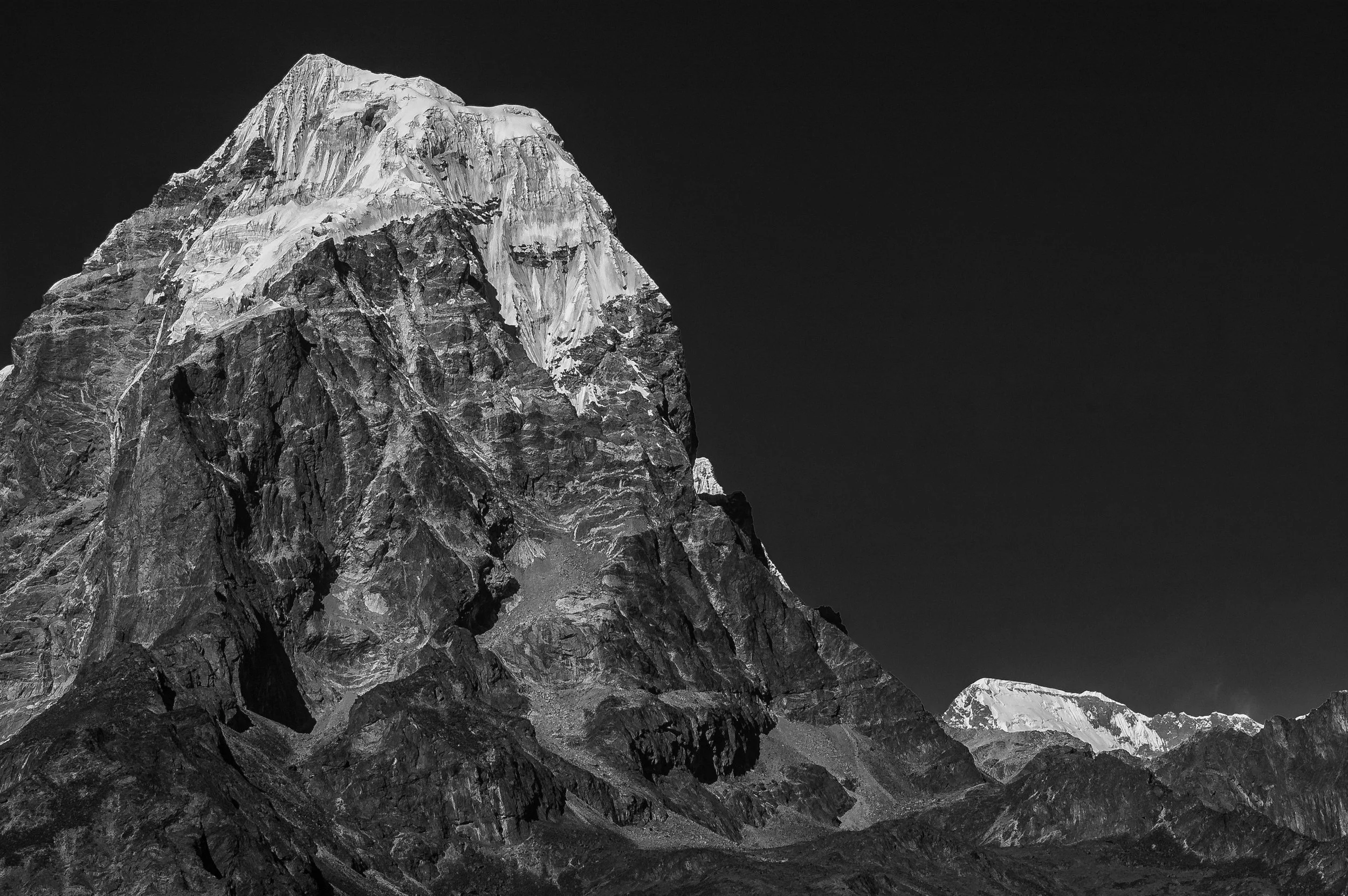
Producing the Most Ambitious Aerial Archive of the Himalayas
Location Nepal: Permits, helicopters, crews, and logistics for the world’s toughest climate and photography mission.
Reach the unreachable.