
WILDLIFE PHOTOGRAPHY LEARNING EXPERIENCES IN NEPAL
Learn wildlife fieldcraft, ethical photography and the professional world behind the image.
WILDLIFE FIELDCRAFT
Wildlife Photography Learning Experience in Nepal
12 DAYS · 6–10 PARTICIPANTS
USD 7,500 PER PARTICIPANT
ENQUIRE & BOOK WILDLIFE FIELDCRAFT →
LEARN THE FIELD. UNDERSTAND THE WORLD BEHIND IT.
Wildlife photography is not simply about finding animals.
Wildlife photography is about understanding the people, places, organisations and opportunities connected to them. It can lead far beyond personal collections and beautiful photographs. Editorial assignments, conservation projects, natural history productions, tourism, publishing, education, licensing and commercial work all need people who understand how to work responsibly and effectively in the field.
This programme gives you practical experience in fieldcraft, wildlife behaviour, photographic decision making, local knowledge and the professional thinking that makes those possibilities accessible.
You are not simply learning how to photograph wildlife. You are learning where this capability can take you.
NOT A WILDLIFE PHOTOGRAPHY TOUR
Every sighting is only the beginning.
This is not a safari with a photographer sitting beside you and telling you where to point your lens.
You will experience what happens before the animal appears, how the field is read, how decisions are made, how local knowledge is used and how a photographic opportunity is developed responsibly.
You learn the work behind the photograph.
WILDLIFE IS THE SUBJECT. FIELDCRAFT IS THE SKILL.
The camera is only one part of the equation.
Research. Habitat. Behaviour. Weather. Light. Position. Timing. Patience. Ethics. Local knowledge. Communication.
You will learn how these elements come together before the shutter is pressed.
Better photographs begin with better decisions.
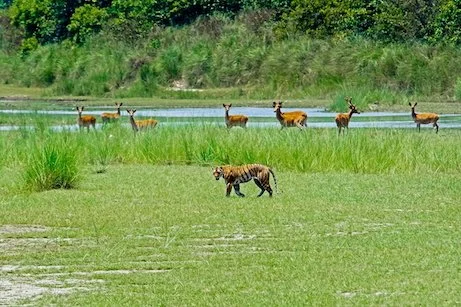
UNDERSTAND THE PROFESSIONAL ECOSYSTEM
Wildlife photography is bigger than wildlife photography.
A photograph can become part of an editorial story, conservation campaign, research project, book, documentary, tourism campaign, educational programme, archive, licensing collection or commercial assignment.
You will begin to understand who commissions this work, who uses it, how it is produced and where your own capabilities could fit.
The image is the product. The ecosystem is the opportunity.
LEARN HOW THE ECOSYSTEM WORKS
From making photographs to understanding where they belong.
You will see how wildlife photography connects photographers with conservation organisations, researchers, publishers, broadcasters, tourism, education, editorial and commercial clients.
You will explore how assignments are conceived, commissioned, produced, published and used, and where your own skills could create value.
Don't just photograph wildlife. Learn how to work within the world that needs those photographs.
BEFORE THE ANIMAL
The real work often begins before the first sighting.
Research the species. Understand the habitat. Read the season. Study behaviour. Learn the terrain. Know where to look and why.
Then prepare for what might happen.
Good wildlife photography is anticipation made visible.
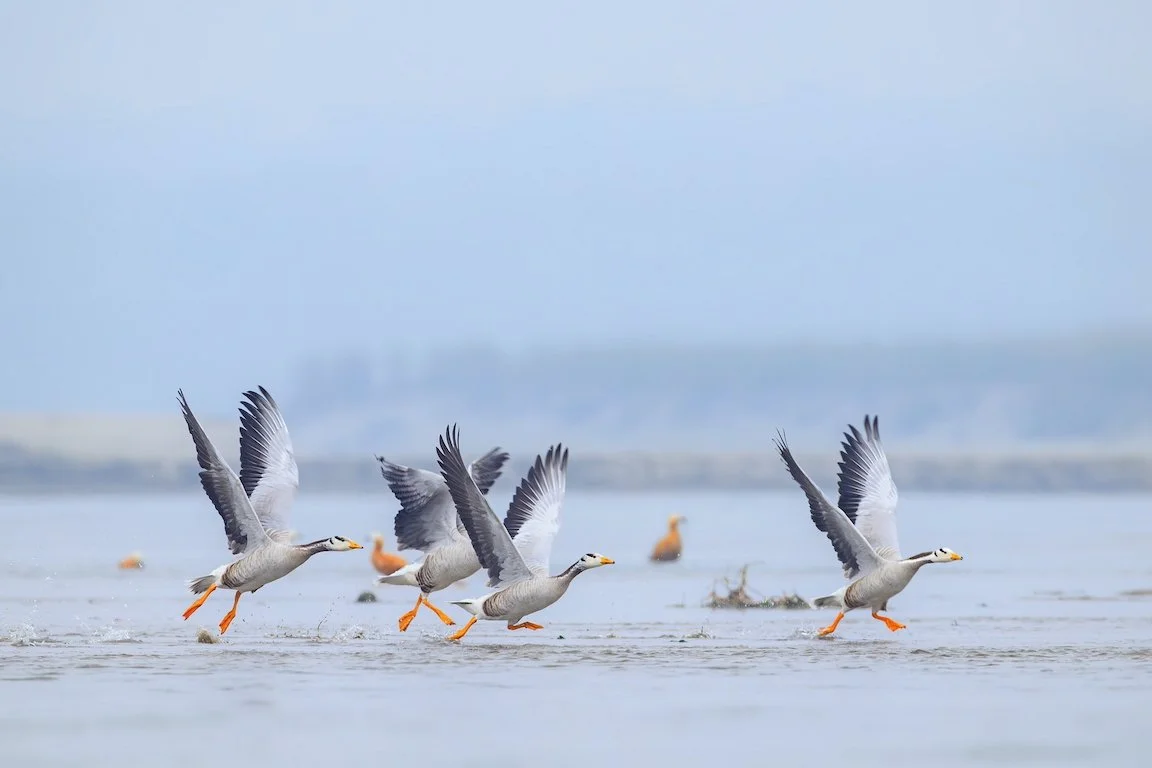
READ THE ANIMAL
Learn to recognise what the animal is telling you.
Movement. Posture. Attention. Feeding. Resting. Alarm. Curiosity. Avoidance.
The deeper your understanding becomes, the better you can anticipate without disturbing.
You learn to read the field, not chase the frame.
LOCAL KNOWLEDGE CHANGES EVERYTHING
The people who know the landscape can see what visitors cannot.
Local guides, trackers, naturalists, conservation workers and field teams carry knowledge that cannot be learned from a map.
You will experience why local knowledge is not simply logistical support.
It is part of the photographic process.
PATIENCE IS A TECHNIQUE
Wildlife does not perform on schedule.
You may wait for movement, behaviour, interaction, light or simply the right moment.
You will learn when to wait, when to reposition and when to walk away.
Patience is preparation for possibility.
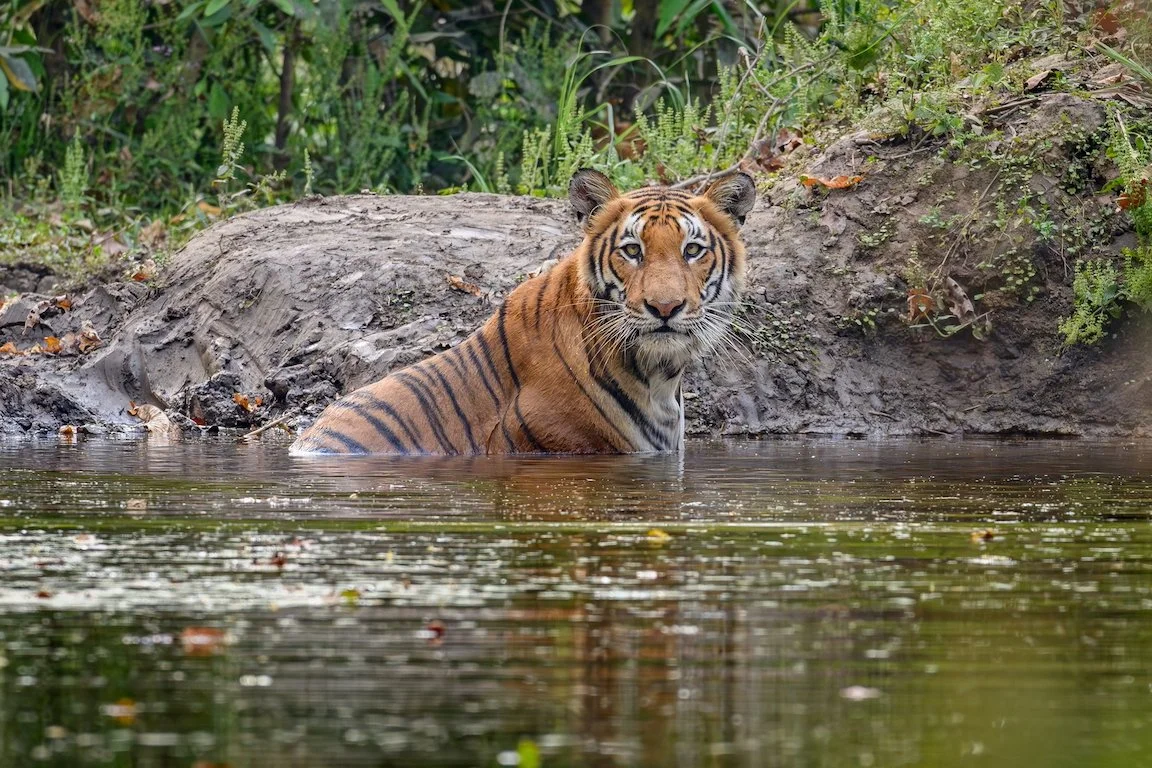
POSITION BEFORE PERFECTION
Many photographs are decided before the shutter opens.
Where you stand. What is behind the subject. Where the light falls. Where the animal may move. How much space you leave.
You will work through positioning, perspective, focal length and anticipation.
Better fieldcraft creates better possibilities.
LIGHT IN THE WILD
You cannot move the sun. You can learn to work with it.
Early light. Harsh light. Backlight. Shade. Cloud. Rain. Mist. Forest light. Open habitat.
You learn to recognise what the conditions are offering instead of waiting for perfect weather.
The field does not owe you perfect light.
ETHICS BEFORE THE IMAGE
The animal comes first.
No photograph is worth unnecessary disturbance, altered behaviour, damaged habitat or compromised welfare.
We work within applicable laws, permits, local guidance and responsible wildlife photography principles.
If the photograph requires harm, we do not take the photograph.
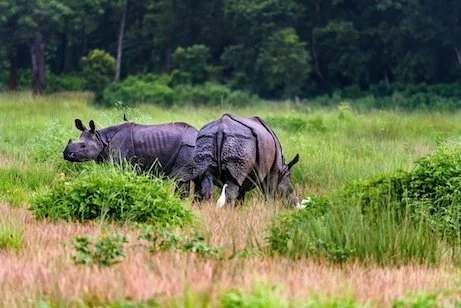
KEEP IT WILD
Do not turn wildlife into performers.
No unnecessary feeding. No harassment. No manipulation for a better frame.
You will learn why responsible wildlife photography protects both the subject and the credibility of the photograph.
Truth matters.
YOUR MENTORS
Two photographers. Two perspectives. One complete view of the field.
The programme is led by Gautam Dhimal and Om Prakash Yadav, bringing together international wildlife photography, production, field experience, conservation, publishing and visual storytelling.
Together, they look beyond camera settings to the people, decisions, logistics and professional relationships that make serious wildlife photography possible.
You learn from both sides of the image.
GAUTAM DHIMAL
Wildlife Photographer. Producer. International Field Experience.
Gautam has photographed wildlife across Nepal, South Africa and other parts of Asia, combining wildlife photography with decades of international photography and film production experience.
His work extends from wildlife and conservation imagery to expedition production, environmental storytelling and large scale visual projects.
He is also developing Wild Africa, a wildlife and conservation book project photographed across South Africa with Lucy Mars Putter.
You learn how wildlife photography becomes a complete assignment.
OM PRAKASH YADAV
Wildlife Photographer. Conservation Storyteller. Published Photographer.
Om brings decades of wildlife photography and field experience across Nepal, India and Thailand, with photographs appearing in magazines, publications, calendars, reports, journals, conservation stories and other forms of visual communication.
In 2026, his photograph of a Royal Bengal Tiger from Nepal was selected for the June 2026 cover of BBC Wildlife Magazine, accompanying the BBC's Tiger Island story.
You learn what happens when field knowledge becomes published work.
MORE THAN TWO MENTORS
The field itself becomes part of the classroom.
Depending on the programme and location, participants may learn alongside wildlife guides, conservationists, researchers, naturalists, field specialists, local coordinators and other professionals working within Nepal's wildlife and conservation ecosystem.
These are not decorative introductions.
They are part of understanding how the real world works.
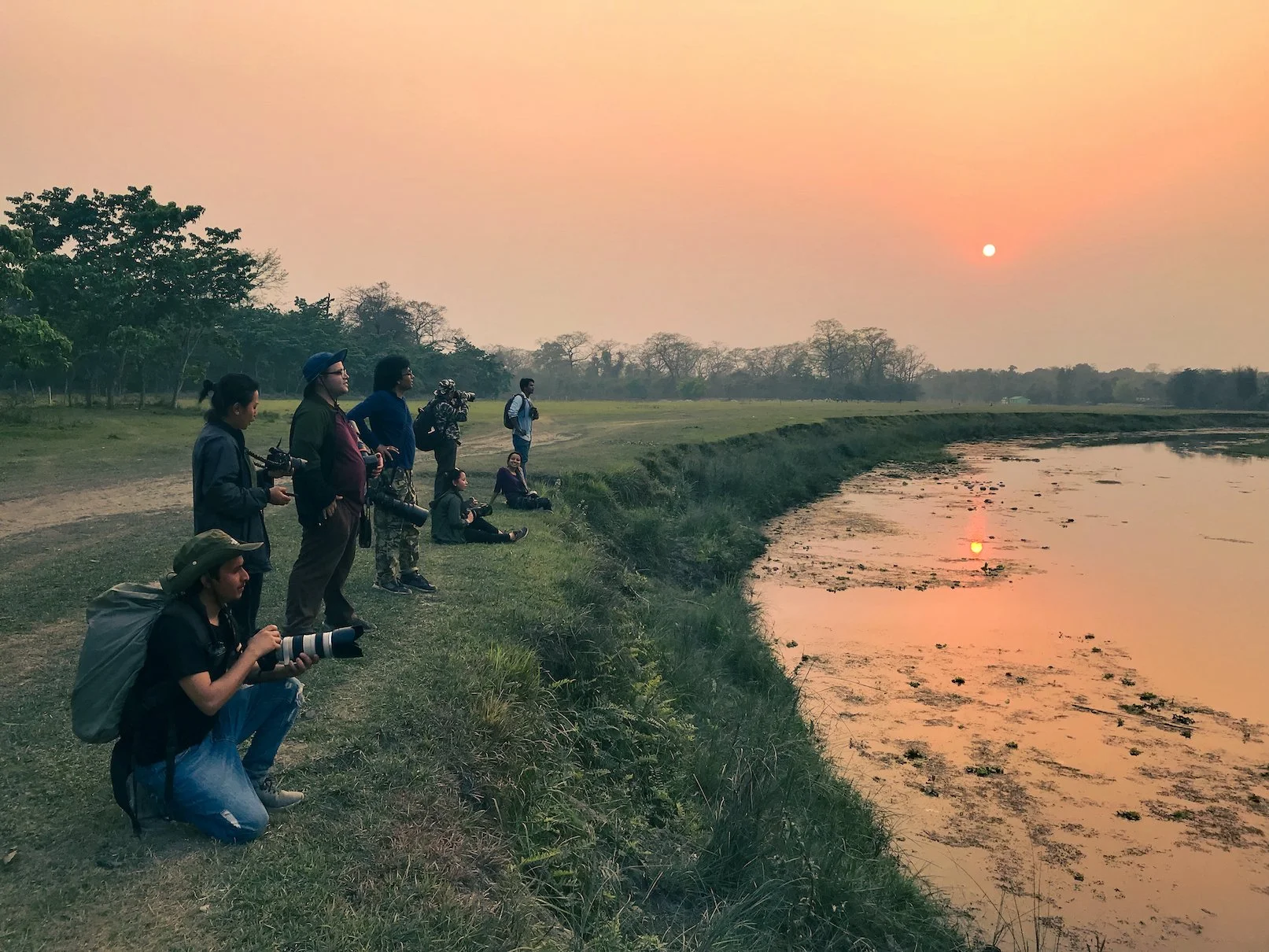
FROM WILDLIFE TO CONSERVATION
The animal is connected to a much bigger story.
Habitat. Communities. Research. Protected areas. Human wildlife relationships. Tourism. Climate. Conservation funding. Education.
You begin to see how wildlife imagery can communicate more than species identification.
You start seeing the ecosystem around the animal.
FROM CONSERVATION TO COMMERCIAL WORK
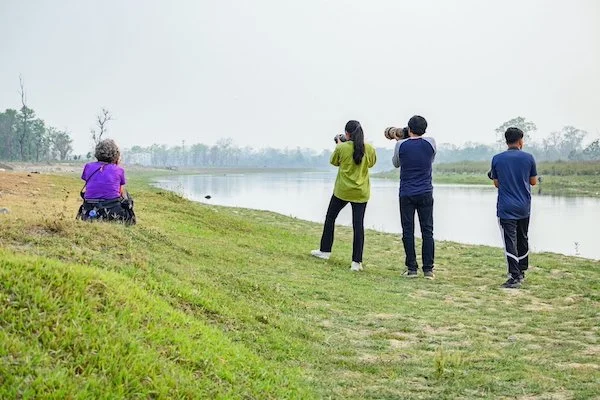
The same photographic capability can travel much further.
Wildlife knowledge can support work across editorial, publishing, tourism, education, conservation communication, research documentation, natural history, licensing and commercial storytelling.
The objective is not to promise a career.
It is to make you more capable of finding where your skills belong.
WHEN NOTHING HAPPENS
This is where fieldcraft becomes real.
The animal does not appear.
The light disappears.
The weather changes.
The expected behaviour never happens.
You adapt.
Professional fieldwork is knowing what to do when the plan stops working.
WHEN EVERYTHING HAPPENS
And then, suddenly, it does.
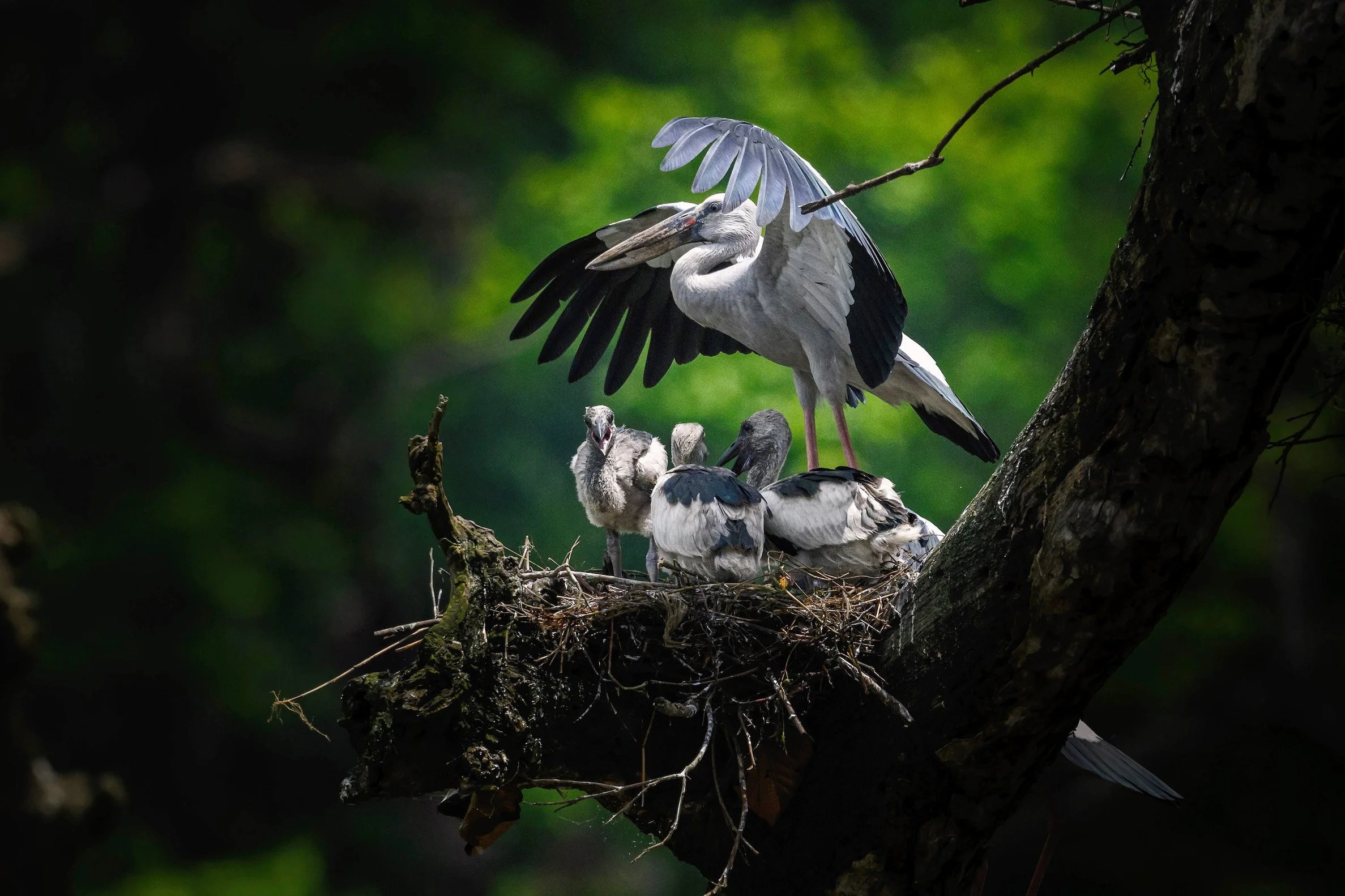
A chase. A feeding sequence. A territorial display. A parent and young. A flight. An unexpected encounter.
You may have seconds.
Everything you have learned suddenly comes together.
Preparation gives you a chance to recognise the moment.
YOUR EQUIPMENT IS ONLY PART OF THE EQUATION
Know your camera. Then learn what to do when the field changes.
Long lenses. Teleconverters. Tripods. Monopods. Batteries. Memory. Protection from dust, rain and heat.
You will learn to make equipment decisions around the environment rather than the other way around.
The best equipment is the equipment you can actually work with.
FIELD SAFETY
Wildlife photography requires discipline.
Safety planning considers wildlife behaviour, terrain, weather, transport, distance, group movement, communication, medical preparedness and emergency procedures.
Participants receive appropriate briefings and are expected to follow field and production instructions.
No photograph is worth unnecessary risk.
PREPARATION BEFORE NEPAL
Your programme begins before you arrive.
We recommend allowing at least one month between booking confirmation and arrival.
This gives us time to prepare the field plan, confirm locations, coordinate guides and specialists, review conditions and build the logistics around your group.
Preparation creates possibilities.
BUILT AROUND THE FIELD
The programme is carefully planned. The field is allowed to breathe.
Routes, timing, locations and activities are prepared in advance but can change when weather, wildlife behaviour, access, safety or local conditions require it.
The plan serves the field. Not the other way around.
WHAT YOU WILL ACTUALLY PRACTISE
Photography becomes a chain of decisions.
Research. Observe. Track. Anticipate. Position. Wait. Photograph. Review. Adapt. Repeat.
You will work with natural light, changing conditions, different habitats and real field situations.
The aim is capability, not a checklist.
BUILD A PORTFOLIO WITH PURPOSE
Not simply a collection of animals.
A meaningful wildlife portfolio can show behaviour, habitat, relationships, environmental context and visual storytelling.
You will learn to think beyond the single impressive frame.
Photograph the animal. Tell the story around it.
THE BUSINESS BEHIND THE IMAGE
Know who values wildlife photography and why.
Editors need stories. Conservation organisations need evidence and communication. Researchers need documentation. Publishers need images. Tourism organisations need compelling visual narratives. Commercial clients need photographs that communicate something.
Understanding these different needs helps you think about your work differently.
A photograph has greater value when you understand the problem it solves.
WHAT YOU TAKE HOME
More than wildlife photographs.
You leave with practical field experience, stronger photographic decision making, a deeper understanding of wildlife behaviour and ethics, and a clearer picture of the professional ecosystem surrounding wildlife imagery.
Your portfolio shows what you photographed. Your fieldcraft shows what you can do.
CERTIFICATE AND PROGRAMME MATERIALS
Take the experience home with you.
Every participant receives a Certificate of Participation together with a curated set of programme materials and other resources connected to the experience.
The field ends. The learning continues.
WHAT'S INCLUDED
Everything necessary to build the agreed field experience.
Professional mentoring from Gautam Dhimal and Om Prakash Yadav. Field guides and local coordination. Planned wildlife locations and activities. Programme logistics. Accommodation. Meals and refreshments. Applicable programme permits and entry arrangements. Safety preparation and briefings. Photography support. Programme documentation. Certificate of Participation and participant materials.
You arrive ready for the field.
WHAT'S NOT INCLUDED
Clear from the beginning.
International travel to and from Nepal, visas where required, personal travel and medical insurance, personal photography equipment unless specifically provided, personal purchases and expenses outside the programme are not included.
Know exactly what your investment covers before you commit.
WHY NEPAL
A remarkable wildlife classroom within a remarkably diverse country.
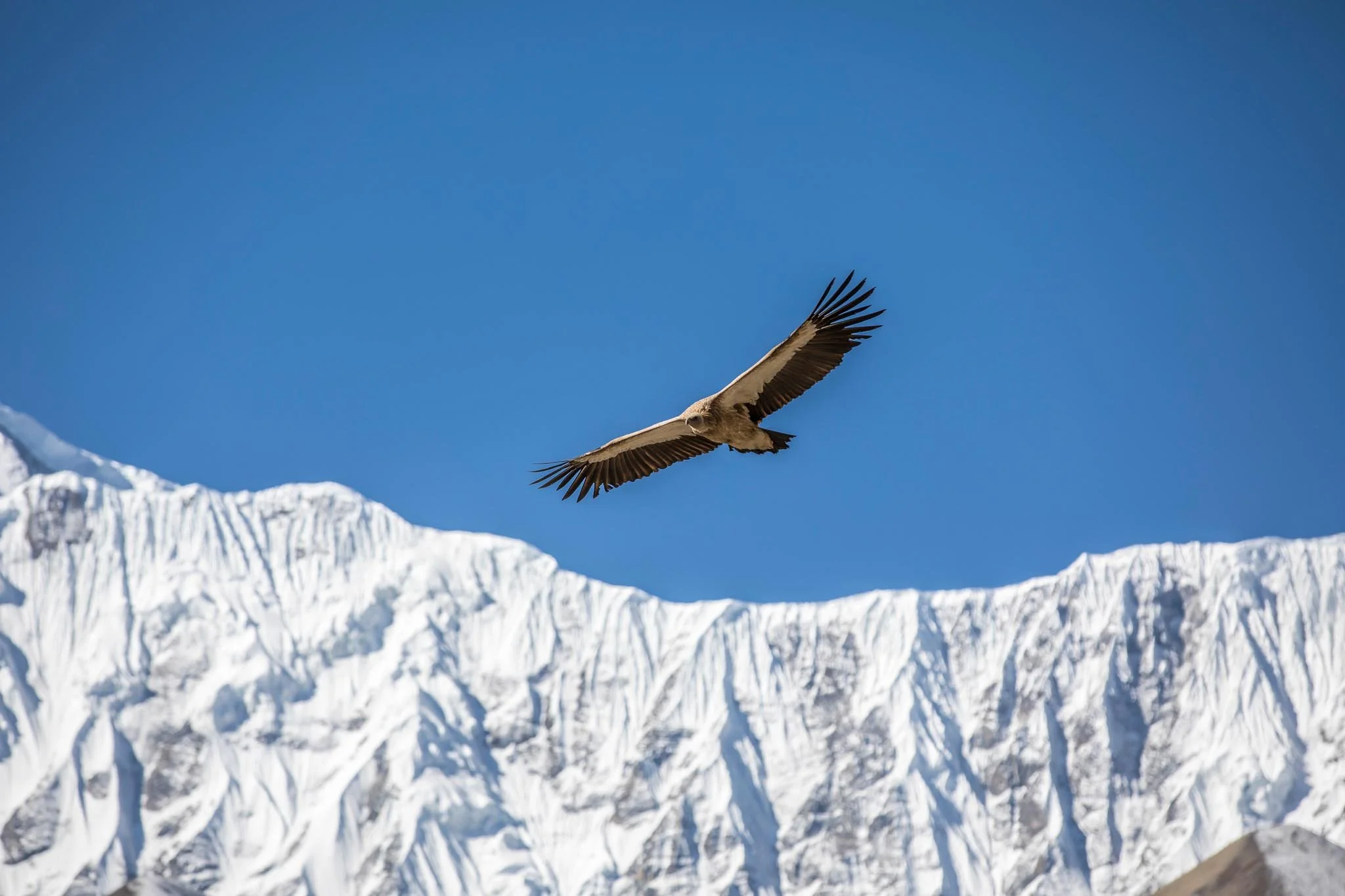
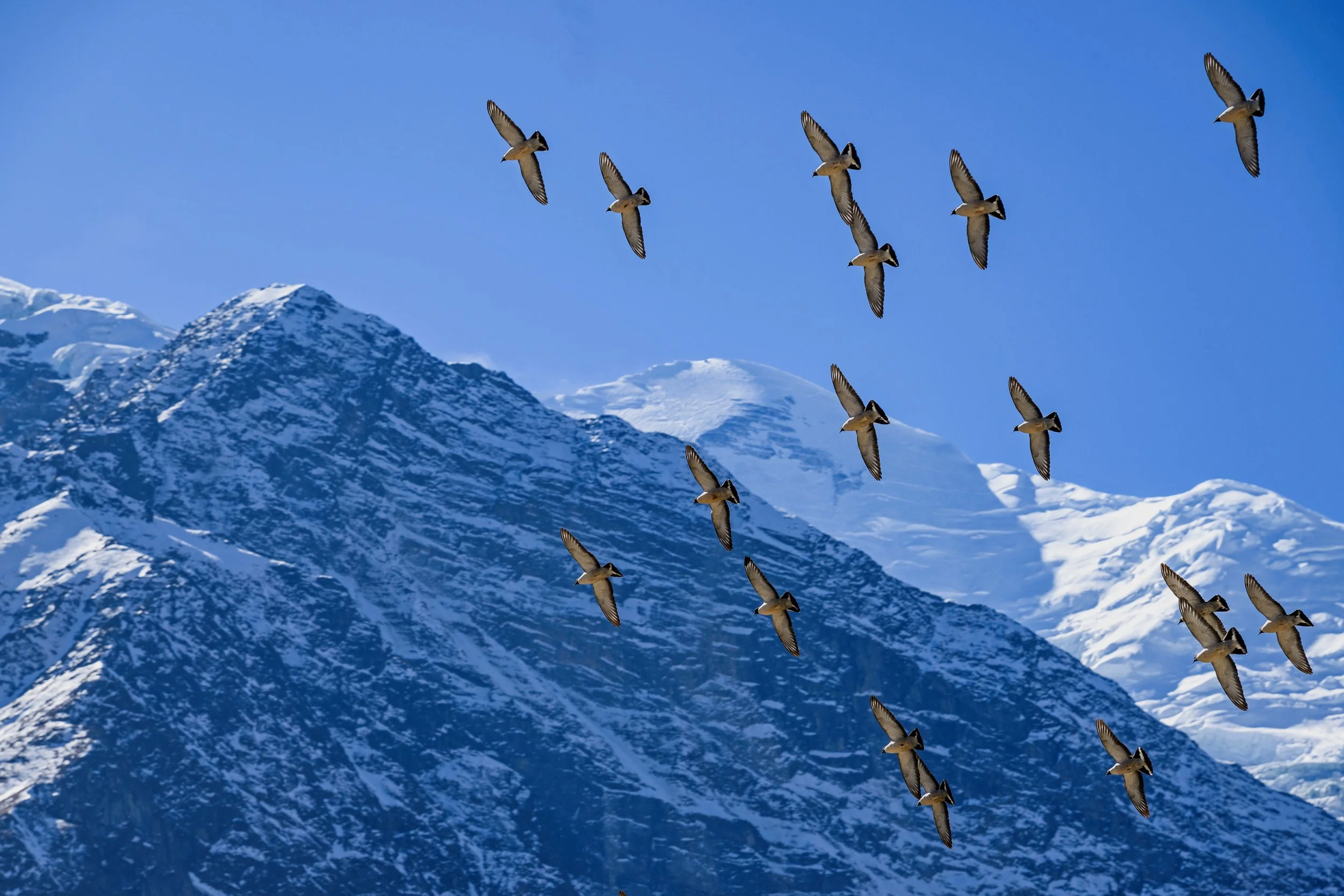
Nepal's extraordinary geographic range brings together forests, grasslands, wetlands, rivers, mountains and high altitude environments, supporting an equally remarkable diversity of wildlife.
The value is not simply the number of species you may encounter.
It is the opportunity to learn wildlife photography across very different environments.
TWELVE DAYS. ONE FIELD MINDSET.
Enough time to slow down, observe and work differently.
12 DAYS · 6–10 PARTICIPANTS
The programme combines preparation, field observation, wildlife encounters, practical photography, review, discussion and reflection.
You are not here to tick animals off a list.
YOUR INVESTMENT
Twelve days of practical wildlife photography, fieldcraft and professional learning in Nepal.
USD 7,500 PER PARTICIPANT
12 DAYS · MINIMUM 6 · MAXIMUM 10 PARTICIPANTS
Your investment covers the agreed programme experience and the field infrastructure, mentoring, logistics, accommodation, meals, applicable arrangements, safety preparation and participant materials described above.
You are investing in capability, experience and a deeper understanding of where wildlife photography can take you.
HOW BOOKING WORKS
Your booking starts the preparation.
1. Tell us your preferred dates and group details.
2. We discuss your objectives and confirm availability.
3. We prepare the field experience around your group.
4. We issue the formal booking and payment documentation.
5. Field preparation begins.
We recommend beginning the process at least one month before arrival.
The better we prepare, the more possibilities the field can give you.
FREQUENTLY ASKED QUESTIONS
The things you will probably want to know before you ask.
Is this a wildlife photography tour?
No. It is a practical wildlife photography learning experience centred on fieldcraft, animal behaviour, ethics, professional practice and understanding the wider wildlife ecosystem.
Do I need to be a professional wildlife photographer?
No. You should already understand your camera and the fundamentals of photography. This is not a beginner camera course.
Is wildlife guaranteed?
No. Wildlife is wild. Sightings, behaviour and specific photographic opportunities cannot be guaranteed.
Will I learn animal behaviour?
Yes. Understanding behaviour and anticipation is a central part of the programme.
Will we use bait or feeding to attract animals?
No. Wildlife welfare and natural behaviour come before the photograph.
Will I learn ethical wildlife photography?
Yes. Ethical and responsible field practice is fundamental to the programme.
Who are the mentors?
The core mentors are Gautam Dhimal and Om Prakash Yadav, supported where appropriate by experienced wildlife, conservation, research and field professionals.
Will there be wildlife guides?
Yes. Local field knowledge and experienced guides are an important part of the programme.
Will I meet conservationists or researchers?
Where relevant to the programme and field location, participants may interact with conservationists, researchers, naturalists and other specialists.
Can these skills become professional work?
They can support many professional directions including editorial, conservation, research documentation, natural history, tourism, publishing, education, licensing and commercial photography.
Can I build a portfolio?
Yes. Building a meaningful wildlife portfolio is an important practical outcome.
How physically demanding is it?
Requirements vary according to the field environment. Some activities may involve walking, uneven terrain, early starts, long periods outdoors and changing weather.
What happens if weather or wildlife conditions change?
We adapt the field plan when necessary. Wildlife, weather, access and safety always take precedence over a fixed itinerary.
Will I have time to work independently?
Yes. The programme is guided and structured, while allowing participants to make their own photographic decisions.
Will my work be reviewed?
Where appropriate, practical reviews, discussions and feedback are incorporated where they add value.
What equipment should I bring?
Equipment guidance is provided before the programme based on the planned field environment and photographic objectives.
Do I need insurance?
Participants are responsible for appropriate personal travel, medical and equipment insurance.
Can universities, photography schools or organisations book privately?
Yes. Private and tailored wildlife photography learning programmes can be developed for organised groups and institutions.
Can the programme be tailored?
Yes. Subject interests, photographic objectives, group requirements and field priorities can be discussed during programme preparation.
What happens after I choose Wildlife Fieldcraft?
You provide your preferred dates and group details. We discuss availability and objectives, then begin preparing the field experience around your arrival.
What if I want something different from Wildlife Fieldcraft?
Tell us what you want to create or learn. We can discuss a tailored photographic experience around a different subject, location or objective.
WILDLIFE FIELDCRAFT
12 Day Wildlife Photography Learning Experience in Nepal
12 DAYS · MINIMUM 6 · MAXIMUM 10 PARTICIPANTS
A practical field experience combining wildlife photography, fieldcraft, ethical practice, professional mentorship and an understanding of the wider wildlife photography and conservation ecosystem.
USD 7,500 PER PARTICIPANT
READY? LET'S START.
Where do you want your photography to take you next?
Go beyond the sighting. Learn the fieldcraft.