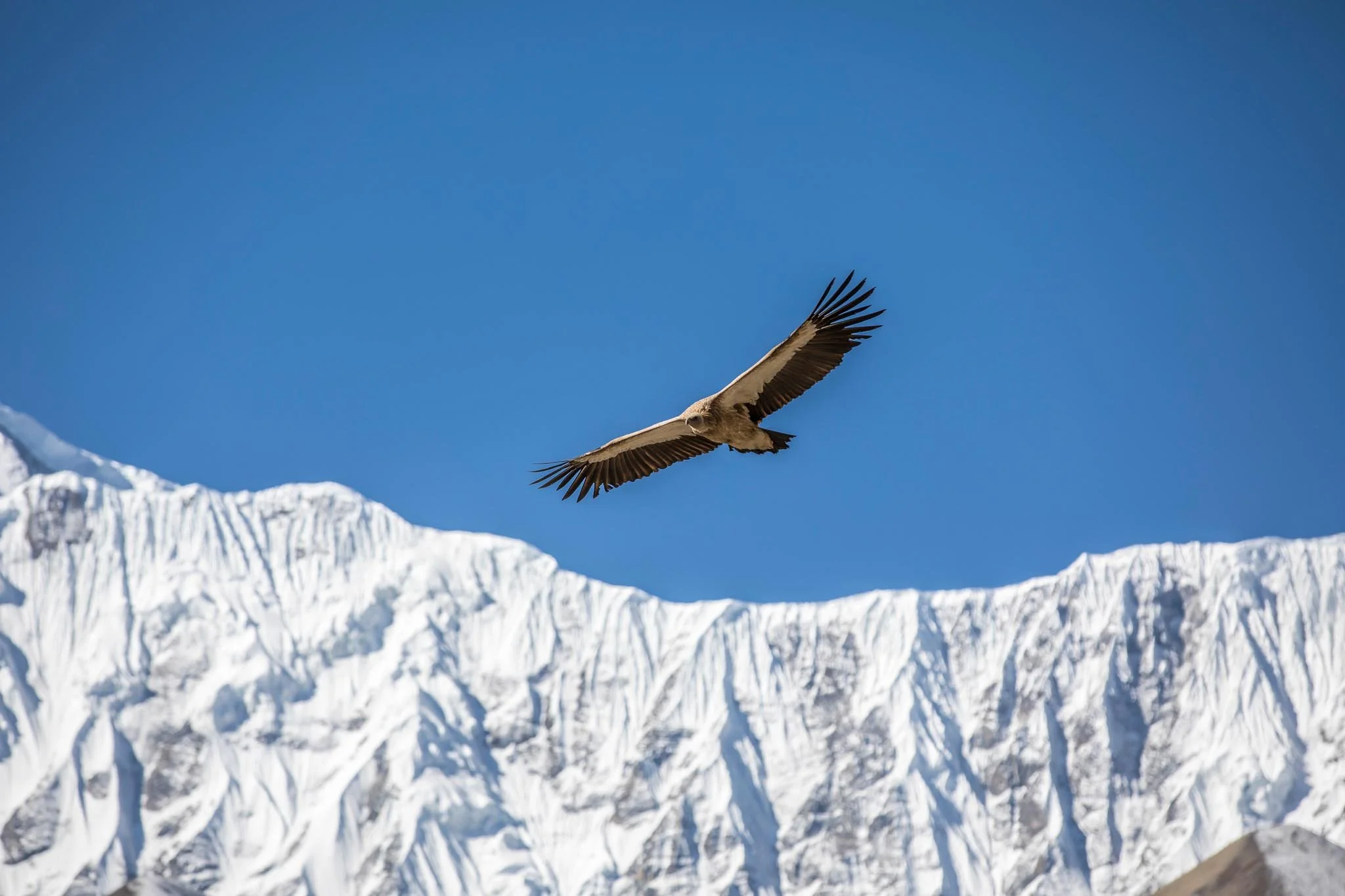
Wildlife Filming & Photography in Nepal’s Untamed Terrain
Wildlife Filming & Photography Nepal
Wildlife Production Requires More Than Getting to the Animals
Wildlife filming and photography in Nepal can take a production into some of the most remote, unpredictable and environmentally sensitive places in the country. The success of the assignment depends on far more than finding a national park, booking accommodation and arranging a vehicle.
Location Nepal provides professional production support for international wildlife filmmakers, photographers, broadcasters, documentary producers, conservation organisations, natural history productions, editorial teams and commercial clients working in Nepal.
We understand the production behind the wildlife image.
That means preparing for the location, the species, the season, the behaviour, the equipment, the crew, the terrain, the weather, the permissions, the working hours, the health and safety requirements and the many things that can change once a production is in the field.
Our approach is informed by years of production work in Nepal and international field experience, including wildlife, conservation and biodiversity projects undertaken by Gautam Dhimal in Nepal, South Africa and other parts of the world.
We can support productions working with:
Bengal tigers
One horned rhinoceros
Asian elephants
Snow leopards
Red pandas
Wild water buffalo
Himalayan wildlife
Birds and migratory species
Primates
Reptiles
Insects and smaller species
Biodiversity and habitat
Conservation stories
Human wildlife interaction
Environmental stories
The assignment may be a natural history documentary, a global broadcast production, a wildlife photography project, a conservation film, a scientific expedition, a magazine story or a commercial production.
Whatever the format, we begin with the production rather than the booking.
We look at what the client actually needs to achieve and build the Nepal operation around that objective.
The wildlife is the subject. Professional production is what gets you there, keeps you safe and gives you the opportunity to capture it properly.
Field Experience
Experience That Comes From Working in the Field
Gautam Dhimal's wildlife and conservation work has developed through years of photography and production in Nepal and internationally, including field projects in South Africa and other wildlife environments. His work has involved photography, documentary production, environmental documentation and projects where understanding the subject, the location and the people around it is as important as the final image.
That experience extends well beyond operating a camera.
Remote field production demands preparation for weather, terrain, altitude, wildlife behaviour, equipment, communications, health and safety, emergency response and the possibility that conditions may change completely from the original plan. Knowing when to wait, when to move, what not to do and who needs to be involved is part of the work.
His experience across photography, production management, conservation projects, aerial work, location operations and international productions brings these different disciplines together.
It also includes the less visible parts of field work: responsible wildlife practices, understanding local and regional environments, working respectfully around communities and habitats, preparing for medical emergencies, rescue and evacuation, and knowing when a production must adapt rather than push ahead.
That combination shapes how we approach wildlife assignments through Location Nepal.
The objective is not simply to get a crew into the field.
It is to prepare them properly for what the field may demand.
The photograph is only one part of the work. Everything that makes the photograph possible matters.
A Network Built for Wildlife Work
Knowledge That Can Be Brought Into the Production
No single person can know every species, every habitat and every field condition across Nepal. Serious wildlife production therefore depends on knowing who does.
Through years of working in photography, film, conservation and field production, we have developed a network of photographers, filmmakers, wildlife specialists, researchers, scientists, naturalists, ornithologists, conservation professionals, trackers, guides and other field specialists across Nepal and the region.
Their knowledge covers very different environments and subjects, from birds and wetlands to tigers, rhinoceros, vultures, snow leopards, rare species, forests, high altitude ecosystems and biodiversity projects.
We bring the appropriate expertise into a production according to what the assignment actually requires.
That may mean involving a species specialist during the research stage, a researcher during pre production, an experienced field expert during location work, or a conservation professional throughout an environmentally sensitive assignment.
The network also gives us access to people who understand places from years of being there, rather than simply knowing them as destinations.
For international productions, this distinction can be important. The right specialist may help determine where to work, when to work, how to approach a species, what behaviour to expect, what should be avoided and what the production needs to prepare for before entering the field.
The network is not a fixed roster.
It is a working professional ecosystem that can be assembled around the needs of each project.
The right expert may change with the species, the location and the story. Knowing who to call is part of our job.
Production First
Start With the Assignment, Then Build the Field Operation
A wildlife production begins with a clear understanding of what the client is actually trying to capture. Species, behaviour, habitat, season, story, duration, camera system, crew size and final use of the material all affect how the Nepal operation needs to be designed.
We start there.
A documentary crew may need long field days, specialist sound, multiple camera positions and reliable data management. A wildlife photographer may need hides, carefully timed access, specialised support and the flexibility to wait for the right behaviour. A conservation project may require researchers, community coordination, scientific context and a very different approach to access.
The production plan follows the objective.
Before the team enters the field, we consider:
The creative and editorial brief
Target species and behaviour
Season and habitat
Location feasibility
Research requirements
Permissions and access
Camera and sound equipment
Crew requirements
Local specialists
Transport and accommodation
Communications
Health and safety
Emergency procedures
Weather and environmental conditions
Contingency arrangements
Data management and backups
Ethical wildlife practices
This preparation becomes particularly important when a production is working in remote areas or around sensitive species.
The goal is not to create an unnecessarily complicated operation. It is to identify what the assignment genuinely requires and prepare for it properly.
Sometimes that means a highly specialised field team. Sometimes it means keeping the operation deliberately small and unobtrusive.
Either way, the production is designed around the work.
We do not begin with a tour itinerary and ask what can be filmed. We begin with the story and work out what Nepal needs to make it possible.
Wildlife Location Research & Scouting
Finding the Right Place Is Only the Beginning
A wildlife location has to work for the species, the story and the production. A place may have abundant wildlife and still be completely wrong for a particular film or photographic assignment because of access, season, light, terrain, distance, visibility or the way the animals use the habitat.
We research locations around the actual objective of the production.
This can involve understanding seasonal movement, habitat, known wildlife activity, access routes, observation points, photographic possibilities, accommodation, vehicle movement and the practical limitations of working in the area.
Depending on the assignment, scouting may take place well before the production team arrives, with local specialists and field contacts contributing knowledge that cannot be obtained from a map or standard destination guide.
We can research and support wildlife productions across Nepal, including:
Terai wildlife landscapes
National parks and protected areas
Community forests
Wetlands and river systems
Himalayan environments
High altitude habitats
Forest ecosystems
Agricultural landscapes
Birding and migratory corridors
Remote conservation areas
The right location can also depend on the behaviour being filmed or photographed. A production looking for a particular animal in a particular season may require a completely different approach from a broad biodiversity story.
We therefore look beyond the question of where an animal exists.
We consider where the production has the best realistic opportunity to work responsibly and achieve what it came to Nepal to capture.
A wildlife location is not simply where the animal is. It is where the animal, the conditions and the production can work together.
Wildlife Behaviour, Ethics & Field Practice
Getting the Image Without Compromising the Subject
Wildlife photography and filming require a different kind of discipline. The strongest field work often comes from understanding when to wait, when to move away and when an opportunity should simply be left alone.
Our approach is built around responsible wildlife practices and respect for animals, habitats, researchers, local communities and conservation efforts.
Production planning considers how the presence of people, vehicles, cameras, lights, drones and other equipment may affect the subject and the environment. The appropriate approach can vary significantly between species and locations.
Where specialist knowledge is required, we work with experienced wildlife professionals, researchers and conservation practitioners who understand the particular sensitivities of the assignment.
This can influence:
Approach distances
Vehicle positioning
Time spent at a location
Number of people in the field
Use of sound and lighting
Camera and hide placement
Drone use where permitted and appropriate
Movement around breeding or nesting areas
Behavioural observation
Community interaction
Habitat sensitivity
Waste and field practices
Emergency response
Departure and access protocols
The production objective never overrides responsible field practice.
A rare encounter is valuable precisely because it is rare. The responsibility is to capture it without turning the encounter into a disturbance.
For conservation and scientific productions, the standards can be even more specific, with field methods and access coordinated around the requirements of the project and the specialists involved.
The best wildlife image is one that leaves the animal exactly as it was found.
Health, Safety & Emergency Preparedness
The Field Can Change Quickly
Wildlife productions can take crews far from roads, communications, medical facilities and predictable conditions. Preparation therefore begins before the first field day, with the risks of the actual location and assignment considered in detail.
We assess the realities of the production, including terrain, weather, altitude, wildlife, working hours, transport, communications, accommodation and distance from appropriate medical support.
Depending on the assignment, planning can include:
Field risk assessment
Health and medical planning
First aid arrangements
Emergency communication
Local medical coordination
Rescue and evacuation planning
Vehicle and driver preparedness
Weather monitoring
Alternative routes
Backup accommodation
Emergency transport
Helicopter support where appropriate
Crew movement planning
Equipment and field safety
Environmental and wildlife hazards
Remote wildlife work also requires knowing when not to proceed. Weather, road conditions, animal behaviour, health concerns or changes in local circumstances can make an original plan unsuitable.
Contingency is therefore built into the production rather than added after something goes wrong.
Where a project requires specialist medical, rescue, aviation or security support, the appropriate professionals can be incorporated into the field operation.
The exact arrangements depend on the location and nature of the assignment, but the principle remains the same: everyone should know what the plan is, what the alternatives are and what happens if the plan has to change.
Preparedness is not about expecting something to go wrong. It is about knowing what to do if it does.
Field Production & Technical Support
Everything Around the Camera Matters
Wildlife productions often carry equipment worth more than the vehicle transporting it. Long lenses, cinema cameras, sound equipment, tripods, hides, remote cameras, drones, batteries, storage systems and other specialist equipment all have to reach the field safely and remain ready when an opportunity appears.
We plan the technical operation around the production rather than treating equipment as an afterthought.
Depending on the assignment, this can include:
Professional stills and cinema camera systems
Long lens and specialist optics
Tripods and support systems
Professional audio
Remote camera systems
Camera traps
Hides and observation setups
Professional lighting where appropriate
Drones and aerial systems
Power and charging solutions
Data management and backup
Field storage
Communications equipment
Technical assistants
Camera assistants
Digital imaging support
We can work with a visiting international crew and their own equipment, source appropriate equipment locally where available, or coordinate the practical requirements for specialist equipment being brought into Nepal.
The same attention applies to transportation. A vehicle for wildlife production is not simply a means of getting from one hotel to another. It may need to accommodate large camera systems, provide appropriate viewing and shooting positions, operate for long field days and remain dependable in difficult terrain.
For larger productions, separate technical, field and production support can be built around the camera team so that the people responsible for making the images are not also trying to solve every logistical problem around them.
The equipment is there to capture the opportunity.
The production system is there to make sure the equipment and the people are ready when that opportunity arrives.
In wildlife work, you rarely get a second chance at the moment. The production has to be ready the first time.
Permissions, Access & Local Coordination
The Field Operation Has to Be Legitimate Before It Begins
Wildlife production can involve protected areas, national parks, conservation areas, forests, communities, research sites and other locations where access is governed by specific rules. The requirements can also vary according to the species, location, activity, equipment and purpose of the production.
We identify those requirements during pre production and coordinate the appropriate permissions and local arrangements before the crew enters the field.
This can involve:
Production permissions
Protected area access
Location approvals
Conservation area coordination
Research and scientific coordination
Community liaison
Local authority coordination
Specialist access
Vehicle and field access
Equipment related requirements
Drone and aerial permissions where applicable
Local guides and field specialists
Interpretation and cultural liaison
The production team should know what is permitted before arriving at a location, rather than discovering restrictions once cameras are already in the field.
Our local relationships and experience help us understand who needs to be involved and when, while the production is coordinated through the appropriate channels.
This is especially important for international productions working in sensitive environments or bringing specialist equipment and larger crews into Nepal.
The aim is straightforward: prepare properly, obtain what is required, respect the rules of the location and allow the field team to concentrate on the work.
Access is part of production. We plan for it before the cameras travel.
International Wildlife Productions
A Nepal Production Partner for Global Teams
A production arriving from overseas should not have to learn the realities of Nepal while it is already in the field. The local operation needs to understand international production culture, communication, schedules, equipment, editorial expectations and the level of preparation expected by the visiting team.
Location Nepal can work as the Nepal based production partner for international broadcasters, natural history filmmakers, documentary teams, wildlife photographers, conservation organisations, research projects, magazines and production companies.
We can work alongside an established international producer or take responsibility for the Nepal side of the production from the earliest planning stage.
That can include:
Production research
Local feasibility
Location research
Field scouting
Budgeting and scheduling
Local crew
Specialist researchers
Wildlife experts
Equipment and technical support
Transport
Accommodation
Permissions and access
Health and safety
Emergency preparedness
Field logistics
Cultural and community liaison
On location production management
Data and equipment logistics
Production wrap
For larger productions, we can build a dedicated Nepal team around the visiting crew, with department heads and specialists selected according to the assignment.
For smaller productions, we can keep the operation lean without losing the same level of preparation.
The objective is not to make the international team feel like tourists working in an unfamiliar country.
It is to give them a capable local production environment in which they can concentrate on the story, the subject and the images.
You bring the production brief. We bring the Nepal operation behind it.
Conservation & Biodiversity Productions
Wildlife Stories Are Often Bigger Than Wildlife
Some of the most important wildlife productions are not simply about photographing an animal. They are about understanding the ecosystem around it, the people living alongside it, the threats it faces and the conservation work attempting to protect it.
Our production experience extends into conservation, biodiversity and environmental storytelling, supporting projects where scientific knowledge, field access and responsible visual documentation have to work together.
We can support productions covering:
Species conservation
Biodiversity
Habitat protection
Human wildlife relationships
Environmental change
Conservation science
Research and field studies
Community based conservation
Protected areas
Endangered and threatened species
Ecosystem documentation
Conservation campaigns
Educational and scientific storytelling
Where appropriate, we can bring researchers, scientists, conservation professionals and subject specialists into the production from the planning stage rather than treating their knowledge as something added once filming begins.
This can help the creative team understand what they are actually seeing, identify the right people and places to document, and approach sensitive subjects with the necessary context.
For international conservation organisations and research teams, the production may also require a different balance between visual storytelling and scientific accuracy. We understand that distinction and can build the local operation accordingly.
Gautam's own work across photography, film, conservation and environmental documentation informs this approach, while the wider professional network allows the right expertise to be brought into each assignment.
Sometimes the animal is the story. Sometimes the story is everything that allows the animal to survive.
Expeditions & Extended Field Productions
Built for Productions That Cannot Be Rushed
Some wildlife assignments are measured in days. Others require weeks in the field, repeated visits, multiple locations or long periods of waiting for the right behaviour and conditions.
These productions need a different level of preparation.
We can build extended field operations around the requirements of the project, including advance scouting, rotating field teams, specialist support, accommodation changes, equipment movement, vehicle planning, communications, data management, resupply and contingency arrangements.
A longer production may involve:
Multi location field schedules
Advance research and scouting
Dedicated field production teams
Species specialists
Researchers and conservation professionals
Multiple camera units
Specialist equipment
Remote camera installations
Field accommodation
Extended vehicle support
Satellite or remote communications where required
Data backup and secure storage
Equipment maintenance
Resupply and field logistics
Weather and route contingencies
Medical and evacuation planning
For productions working in remote Himalayan environments, the preparation can become considerably more involved because altitude, weather, access and transport all influence how people and equipment move.
The same applies in the Terai and other wildlife landscapes where field conditions, seasonal access and animal behaviour can determine whether a planned production day is productive or needs to change.
We can structure the operation so that the creative team is able to remain in the field for as long as the story requires without having to rebuild the logistics every few days.
When the story takes longer than the itinerary, the production has to be built for the story.
Remote & High Altitude Wildlife Production
Nepal's Wildlife Does Not End at the Lowlands
Nepal's wildlife environments extend from the Terai forests and wetlands to some of the highest and most difficult landscapes in the Himalayas. Each environment demands a different production approach.
High altitude wildlife work brings its own considerations. Cold, altitude, limited access, rapidly changing weather, long approaches, reduced carrying capacity and distance from medical facilities can all affect the way a crew and its equipment operate.
Productions involving snow leopards and other Himalayan species may therefore require extended preparation, specialist local knowledge, acclimatisation planning, carefully selected equipment and a field team capable of working within the realities of the environment.
We can coordinate the wider operation around these requirements, including:
High altitude field planning
Acclimatisation considerations
Specialist local teams
Mountain transport
Porters and field support
Appropriate accommodation
Weather and route monitoring
Communications
Medical preparedness
Emergency and evacuation planning
Equipment protection
Extended field operations
The same production principles apply at lower elevations, but the risks, logistics and field methods change with the environment.
Our experience across Nepal's very different landscapes allows us to approach each assignment according to the place rather than applying one standard operating model everywhere.
From the Terai to the high Himalayas, the production has to adapt to the wildlife and the environment, not the other way around.
Data, Media & Production Wrap
The Field Day Ends. The Responsibility Does Not.
Wildlife productions can return from the field carrying irreplaceable footage and photographs that cannot simply be recreated if something is lost. Data management therefore begins in the field, not when the crew eventually reaches an editing facility.
Depending on the production, we can support:
On location data management
Multiple data copies
Secure field storage
Memory card management
Camera media handling
Daily backups
Data verification
Image and footage organisation
Metadata and documentation
Secure transfer
International data delivery
Equipment inventory
Production documentation
Equipment return and re export
Final production wrap
The workflow can be designed around the client's existing technical and post production system, whether the material is being sent directly to an international production company, broadcaster, photographer, editor or post production facility.
For extended productions, data management becomes even more important. Cards and drives may need to move between field teams, locations and secure storage while new material continues to arrive.
Equipment is also accounted for at the end of the production. What entered the field needs to be checked, documented and returned through the appropriate process.
A successful wildlife production is not complete simply because the crew has finished filming.
The material needs to reach its destination safely, the equipment needs to be accounted for and the production needs to close properly.
The last frame deserves the same care as the first.
Wildlife Projects We Support
Different Stories. Different Production Requirements.
Wildlife production can take many forms, and the way a production is planned depends heavily on what the final work needs to achieve. We work with clients at different stages, from early research and location development through to full field production.
Our work can support:
Wildlife documentaries
Natural history films
Wildlife photography assignments
Conservation films
Biodiversity documentation
Scientific and research productions
Environmental documentaries
Broadcast productions
Magazine and editorial assignments
Wildlife books and publishing projects
Conservation campaigns
Educational films
Institutional productions
NGO and development projects
Corporate environmental storytelling
Tourism and destination campaigns
Wildlife advertising
Species specific expeditions
Long term monitoring projects
High altitude wildlife expeditions
Bird and migratory species projects
Rare and endangered species productions
Some assignments arrive with a complete international crew and a detailed production plan. Others begin with little more than a species, a story or a visual idea.
We can become involved at either stage.
If the client already knows exactly what needs to be filmed, we build the Nepal operation around it.
If the idea is still developing, our field network, production experience and local knowledge can help establish what is realistically possible before the production is committed.
The scale can range from a single photographer working with a small field team to a complex international production involving multiple departments, researchers, specialists, vehicles, aircraft and extended field operations.
The format may change. The production discipline behind it does not.
Why Location Nepal for Wildlife Production
Local Knowledge With International Production Experience
Wildlife production in Nepal benefits from two kinds of knowledge that rarely sit in the same place: knowing the country deeply and understanding how an international production actually works.
Location Nepal brings both together.
Our experience covers production management, photography, documentary work, conservation and environmental projects, location research, field logistics, specialist equipment, aerial work, health and safety and international production coordination.
Around that foundation is a working network of wildlife photographers, researchers, scientists, conservation professionals, naturalists, species specialists, field experts and experienced local teams who can be brought into a project according to its requirements.
That allows us to approach a production from several directions at once.
We can understand the creative objective.
We can assess the field reality.
We can identify the specialist knowledge required.
We can plan the logistics around the location.
We can prepare for the risks.
And we can coordinate the people and permissions required to make the production happen responsibly.
For an international client, this means having one Nepal based production partner capable of connecting the creative brief with the realities of the field.
We are not trying to turn wildlife production into tourism.
We are here to make professional wildlife filming and photography possible in Nepal, with the preparation, expertise, relationships and field discipline that serious productions require.
You come to Nepal for the wildlife. We build the production that allows you to work with it.
Frequently Asked Questions
Wildlife Filming & Photography in Nepal
Do you provide wildlife tours or safaris?
Our role is different. We provide professional production support for wildlife filming, photography, documentary, conservation and research assignments. Where a field itinerary, vehicles, accommodation or specialist guides are required, these are built into the production according to the brief.
Can you produce a complete wildlife project in Nepal?
Yes. We can support the project from initial research and location planning through permissions, specialists, logistics, field production, health and safety, equipment support and production wrap.
Can we bring our own international crew?
Absolutely. We regularly structure the Nepal operation around visiting photographers, filmmakers, producers, researchers and creative teams.
Can you provide wildlife photographers and filmmakers?
Yes. We can bring appropriate professionals from our network into the production depending on the species, location and creative requirements.
Do you have wildlife specialists and researchers in your network?
Yes. Our network includes professionals with knowledge across different species, habitats, conservation projects, biodiversity and research disciplines. The appropriate specialists are brought into each project according to its requirements.
Can you help us find specific wildlife in Nepal?
We can research and plan around target species, habitats, seasons, behaviour and field conditions. Wildlife remains unpredictable, however, and no responsible production should promise an animal encounter.
Can you support snow leopard productions?
Yes. High altitude wildlife work can be planned with appropriate field specialists, acclimatisation considerations, logistics, safety preparation and extended field operations.
Can you support tiger and rhinoceros filming?
Yes. We can coordinate wildlife production in appropriate Terai landscapes and build the field operation around the specific species, behaviour and production requirements.
Can you support bird photography and filming?
Yes. Bird and migratory species projects can involve specialist local knowledge, seasonal planning, suitable locations and dedicated field support.
Can you arrange specialist hides, vehicles and field equipment?
Yes. Depending on the assignment, we can coordinate hides, vehicles, camera support, field equipment, technical assistants and other specialist requirements.
Can you arrange drones and aerial filming?
Aerial work can be arranged where appropriate and where the necessary permissions, safety and operational conditions allow it.
Can you arrange helicopters?
Yes. Helicopter support can be explored for suitable assignments, subject to aviation requirements, weather, safety and operational feasibility.
Can you handle international camera equipment?
Yes. Where equipment needs to be brought into Nepal, the appropriate production, customs and temporary import requirements can be planned and coordinated in advance.
Do you handle permits and access?
Yes. Required permissions, protected area access, location approvals and other applicable arrangements are identified and coordinated during pre production.
Can you support conservation and scientific projects?
Yes. We work across wildlife, biodiversity, conservation and environmental storytelling and can bring appropriate researchers, scientists and conservation professionals into the production.
Can you handle remote and high altitude productions?
Yes. Remote and high altitude assignments require additional planning around access, altitude, weather, medical support, communications, equipment and evacuation, all of which can be incorporated into the production plan.
What about health and emergency preparedness?
Health and safety planning is developed around the actual location and assignment, including medical considerations, communications, rescue and evacuation planning and contingency arrangements where required.
Can you work with broadcasters and international production companies?
Yes. Location Nepal can operate as the Nepal based production partner for international broadcasters, documentary companies, photographers, filmmakers, conservation organisations, research teams and editorial productions.
How early should we contact you?
As early as possible. Wildlife productions benefit enormously from advance research, seasonal planning, permissions, location assessment, specialist availability, equipment planning and field preparation.
How do we start?
Send us the production brief, target species or subject, approximate dates, crew size and what you are hoping to achieve. We can then assess the production requirements and begin developing the Nepal operation around them.
Bring Your Wildlife Production to Nepal
Tell Us What You Need to Capture
Whether you are planning a natural history film, wildlife documentary, conservation project, scientific expedition, international photography assignment or a long term biodiversity story, Nepal can offer extraordinary access to wildlife and environments that deserve serious production.
Tell us the species, story, locations, dates, crew and creative objective.
We can help determine what the production needs, which specialists should be involved, where the work can realistically happen, what needs to be prepared and how the field operation should be built.
Location Nepal brings together production management, field experience, wildlife knowledge, conservation relationships, specialist networks, logistics, safety planning and international production experience.
The wildlife will always remain unpredictable.
Everything around it does not have to be.
Start a Wildlife Production Conversation with Location Nepal
Capture the wild.