
FILMING IN NEPAL
What it takes to bring a production to Nepal, told by people who have actually done it.
THE REAL BUSINESS OF FILMING IN NEPAL
What international productions need to know before they arrive.
Nepal can make a production look deceptively simple. Find the mountain, point the camera, wait for the light. Anyone who has actually produced here knows there is usually rather more to it.
There are permits to navigate, roads to negotiate, people to bring together, equipment to move, weather to second guess and locations that can look wonderfully close on a map until you actually have to get a crew there. Then there is altitude, local communities, government authorities, customs, accommodation, communications and the hundred small decisions that can quietly determine whether a production runs beautifully or spends its day putting out fires.
We have spent years working through all of this, from major international films, television and commercial campaigns to documentaries, photography assignments and productions deep in the Himalayas. This is where we share that knowledge: practical guidance, real production stories, location intelligence, permits, logistics and lessons from the field.
If you are bringing a camera to Nepal, this is a good place to begin.
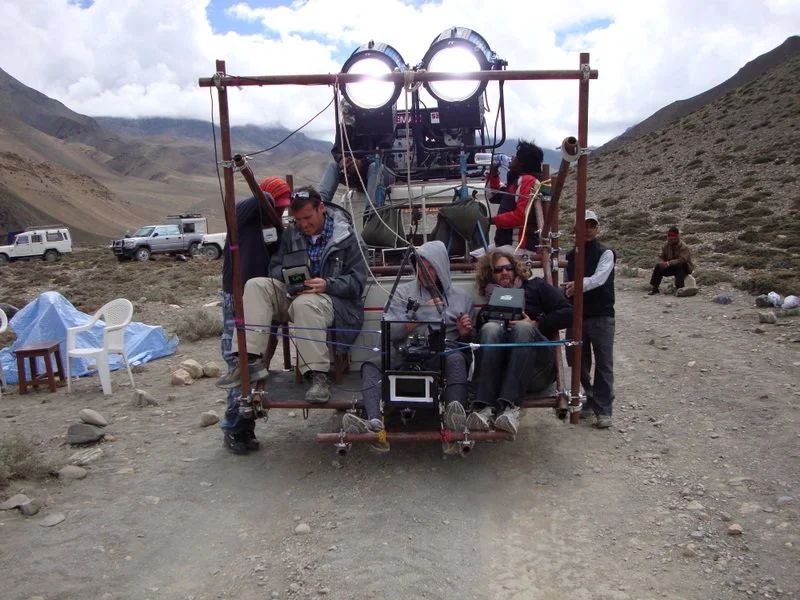
Safety Is Production: The Line Producer’s Responsibility Goes Far Beyond the Call Sheet
A successful production begins long before the first shot. It depends on a line producer who considers the people, location, logistics, community, environment and countless details that allow the work to happen responsibly.
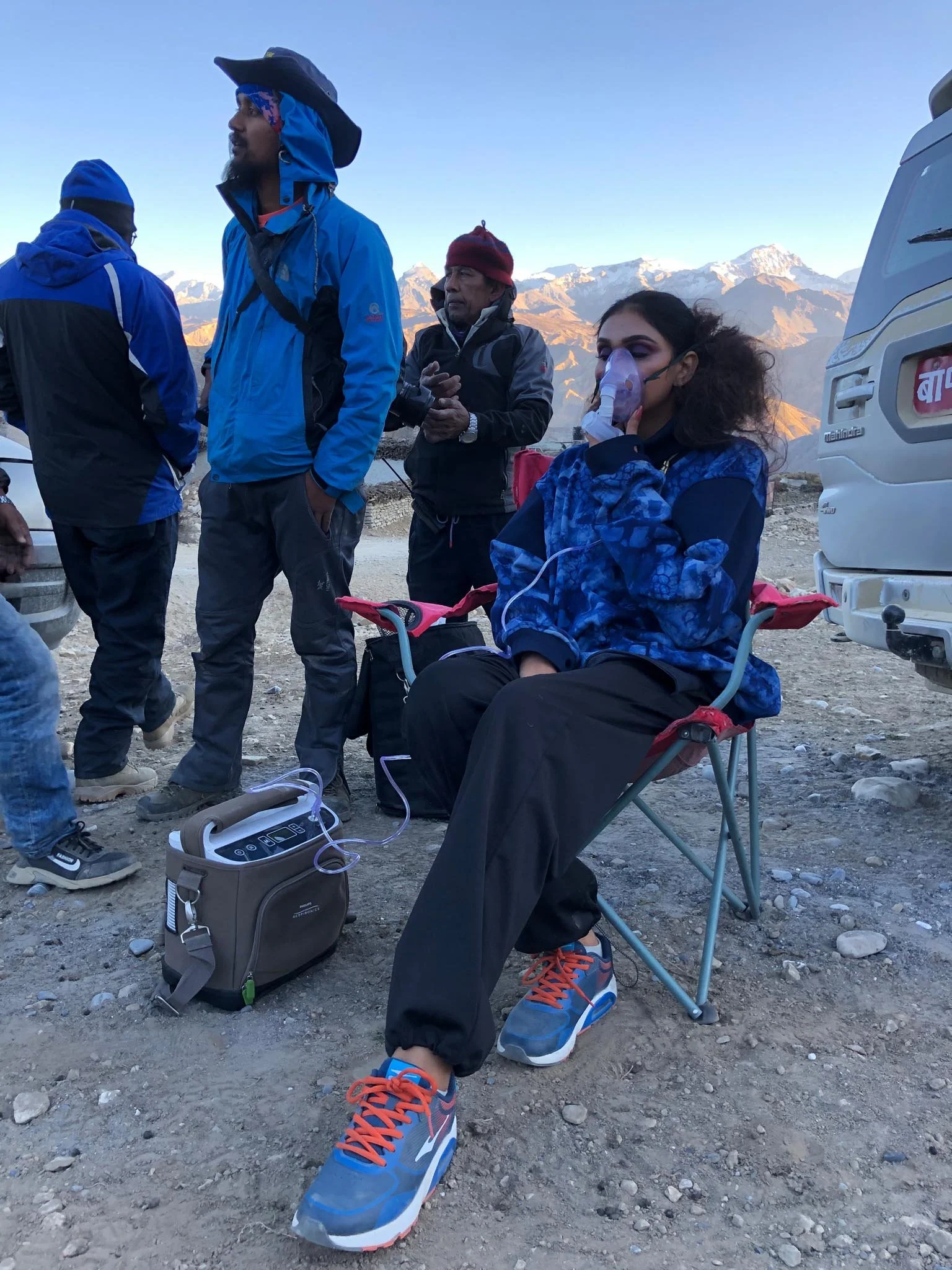
Medical Support and Emergency Evacuation for Film Productions in Nepal
Medical planning for a film production in Nepal depends on the actual location, the people involved and the time required to reach appropriate care. Drawing on real productions in the Himalayas, this guide explores medical teams, evacuation options, remote access and the line producer’s role in making the plan work.

After the Cameras Stop: Returning a Film Location in Nepal to Its Original Condition
The last shot is not the end of a production's responsibility. From historic squares in Kathmandu Valley to remote mountain locations, returning a filming location to its agreed condition takes planning, time and clear accountability. Our Nippon Paint commercial required more than ten days of restoration after a single shooting day at Bhaktapur and Patan Durbar Squares.
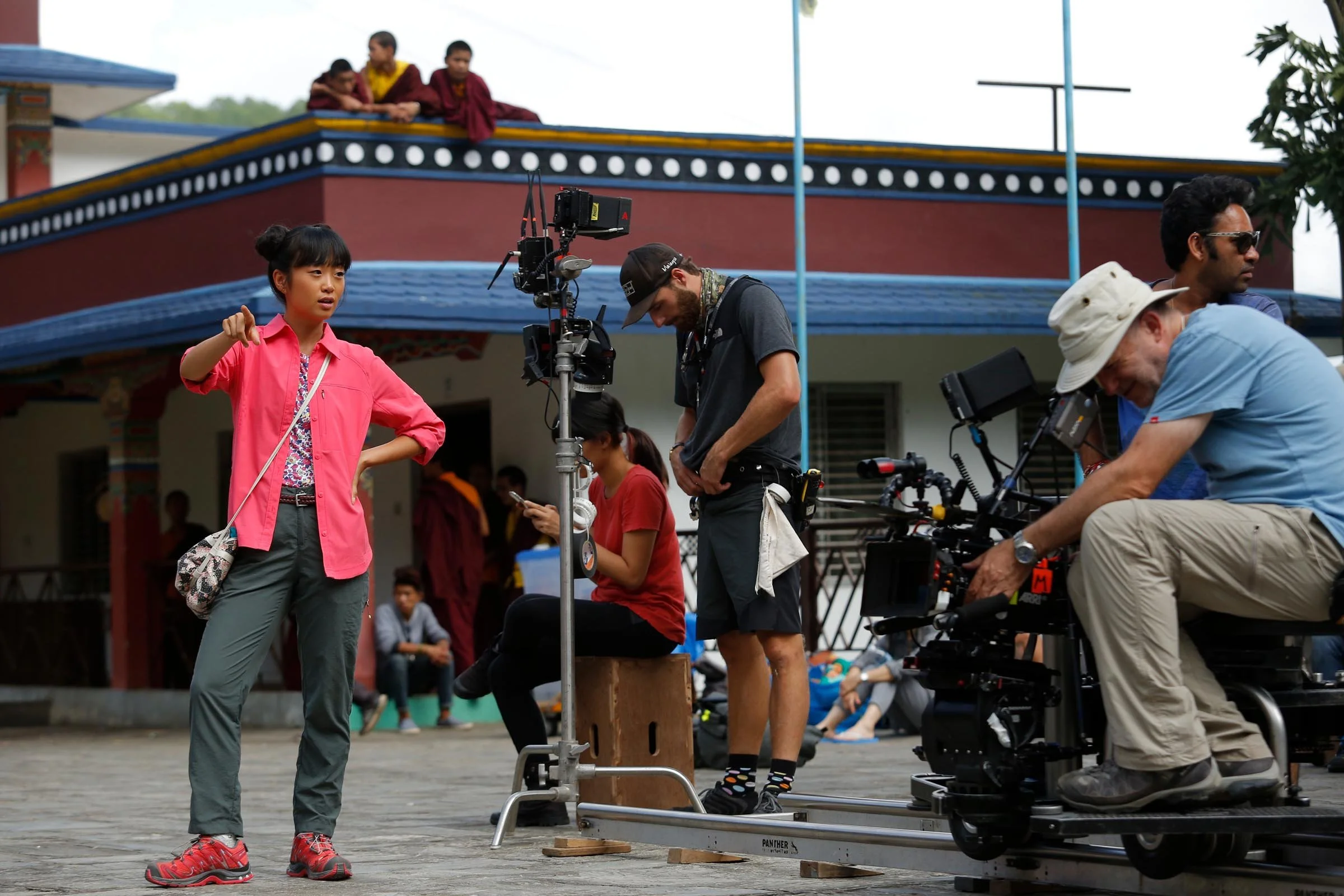
The Real Cost of a Lost Shooting Day in Nepal
A lost shooting day rarely affects just one budget line. For international productions in Nepal, the consequences can reach crew bookings, equipment rentals, location access, transport, accommodation and the wider shooting schedule. Here is how producers can assess the real exposure without relying on misleading daily rate estimates.

Production Contingency Planning in Nepal: What Happens When the Plan Changes?
Preparedness is part of production. Learn how international film crews can plan practical backups, standby resources, alternative locations and decision making for shoots across Kathmandu and remote Nepal.

Production Media Management and Secure Data Transfer in Nepal
From remote filming locations to Kathmandu and onward to international production teams, Location Nepal coordinates production media backups, dedicated drive transfers and secure delivery to client nominated storage, servers and archives.
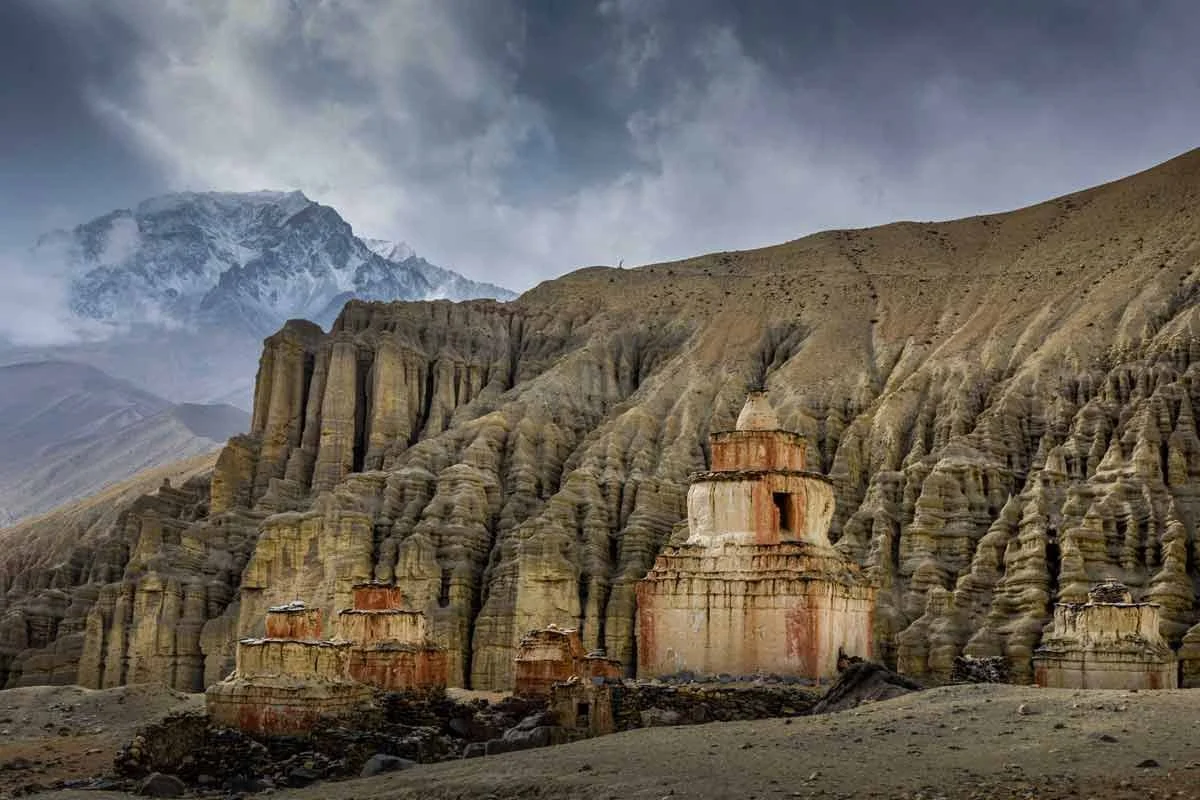
Filming In Nepal's Restricted Areas: What International Productions Need To Know
Filming in Nepal's restricted areas requires much more than obtaining a permit. This production guide looks at documentation, recce, access, crew, equipment, aerial filming, remote logistics and the protection of living heritage in Upper Mustang, Upper Dolpa, Manaslu, Humla and other controlled areas.

Shooting A Commercial In Nepal: What International Agencies And Producers Need To Know
Planning a commercial production in Nepal involves much more than finding beautiful locations. This guide covers Kathmandu, locations, permits, crew, casting, equipment, transport, weather, aerial filming and high altitude commercial production.
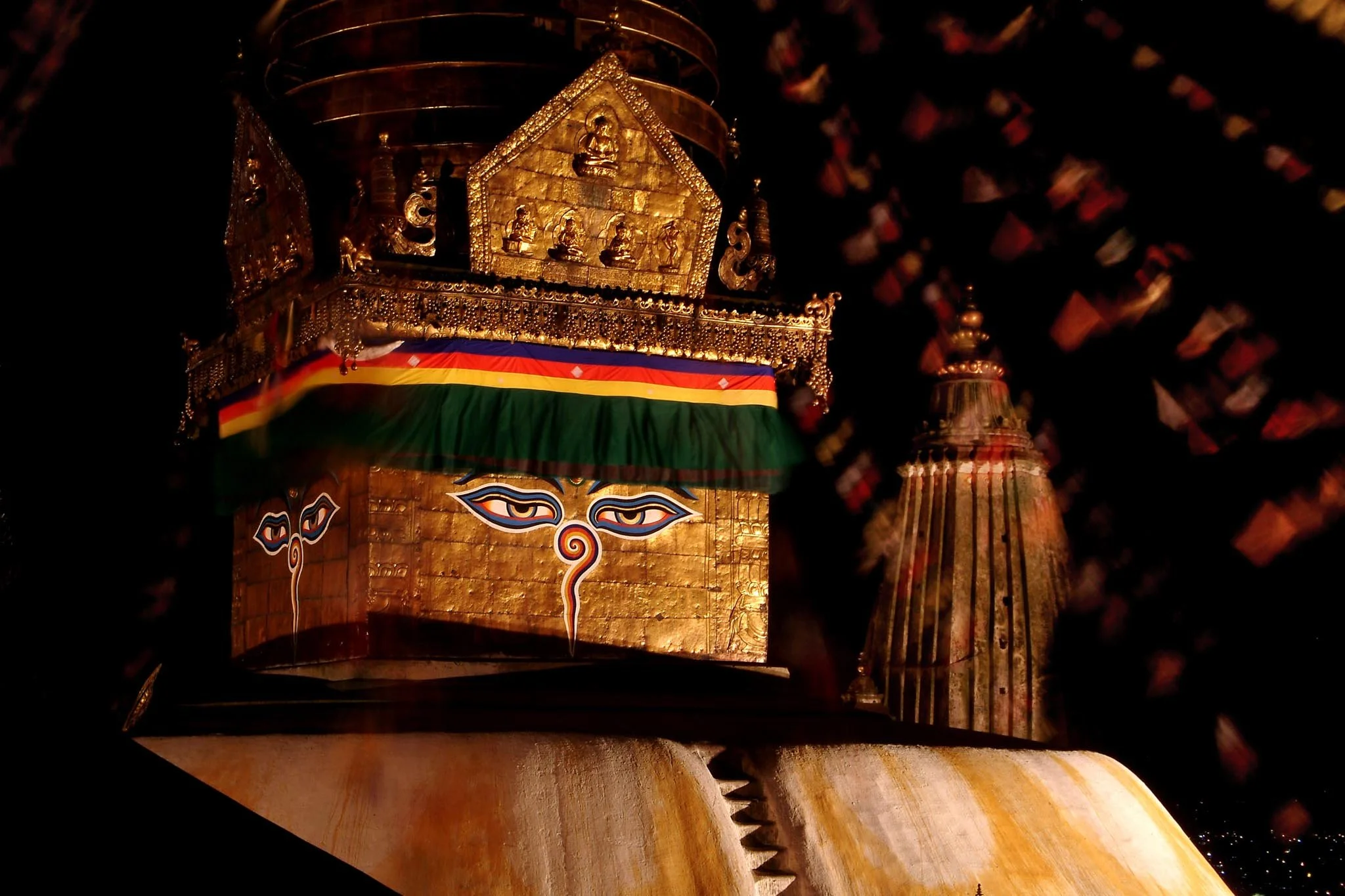
Filming In Kathmandu: What International Productions Need To Know
Kathmandu offers international productions far more than a starting point for Himalayan shoots. Explore the city's heritage locations, streets, rooftops, crew, casting, equipment, logistics, weather and practical realities of filming in Nepal's capital.

Filming In Nepal During The Monsoon: What Productions Need To Know
Filming in Nepal during monsoon requires different planning. Rain affects roads, mountains, light, equipment, access and schedules, but can also create exceptional conditions for film, photography, wildlife and commercial production.
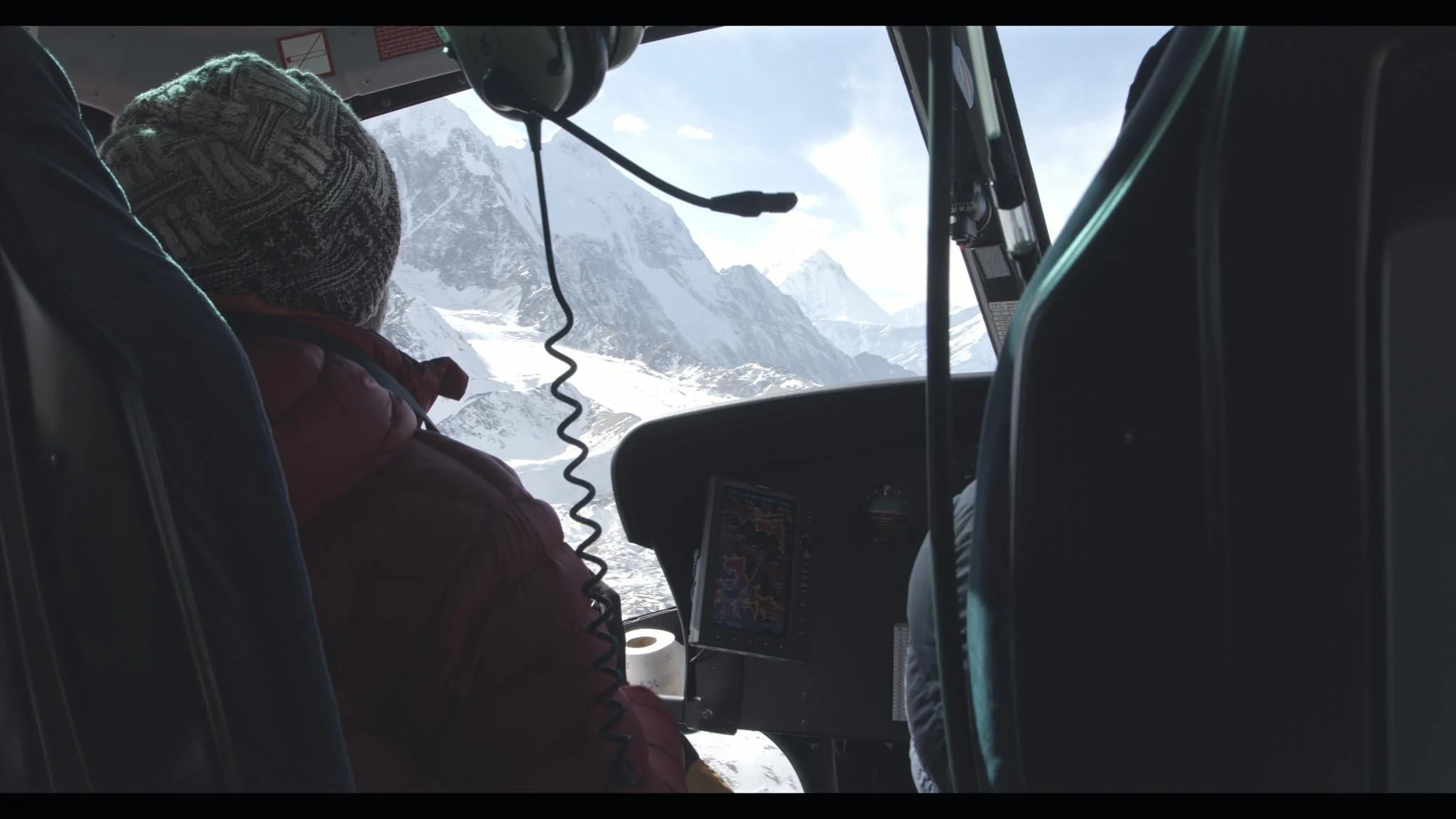
Production Recce In Nepal: What International Productions Need To Know Before The Shoot
A production recce in Nepal is more than visiting a beautiful location. It is where access, light, weather, equipment, transport, permits, accommodation, crew movement and the practical realities of the shoot are assessed before the cameras arrive.

Casting In Nepal: How International Productions Find The Right People
Casting in Nepal goes beyond finding actors and models. International productions may need real people, children, families, extras, performers or specialists, often in specific regions and production environments.
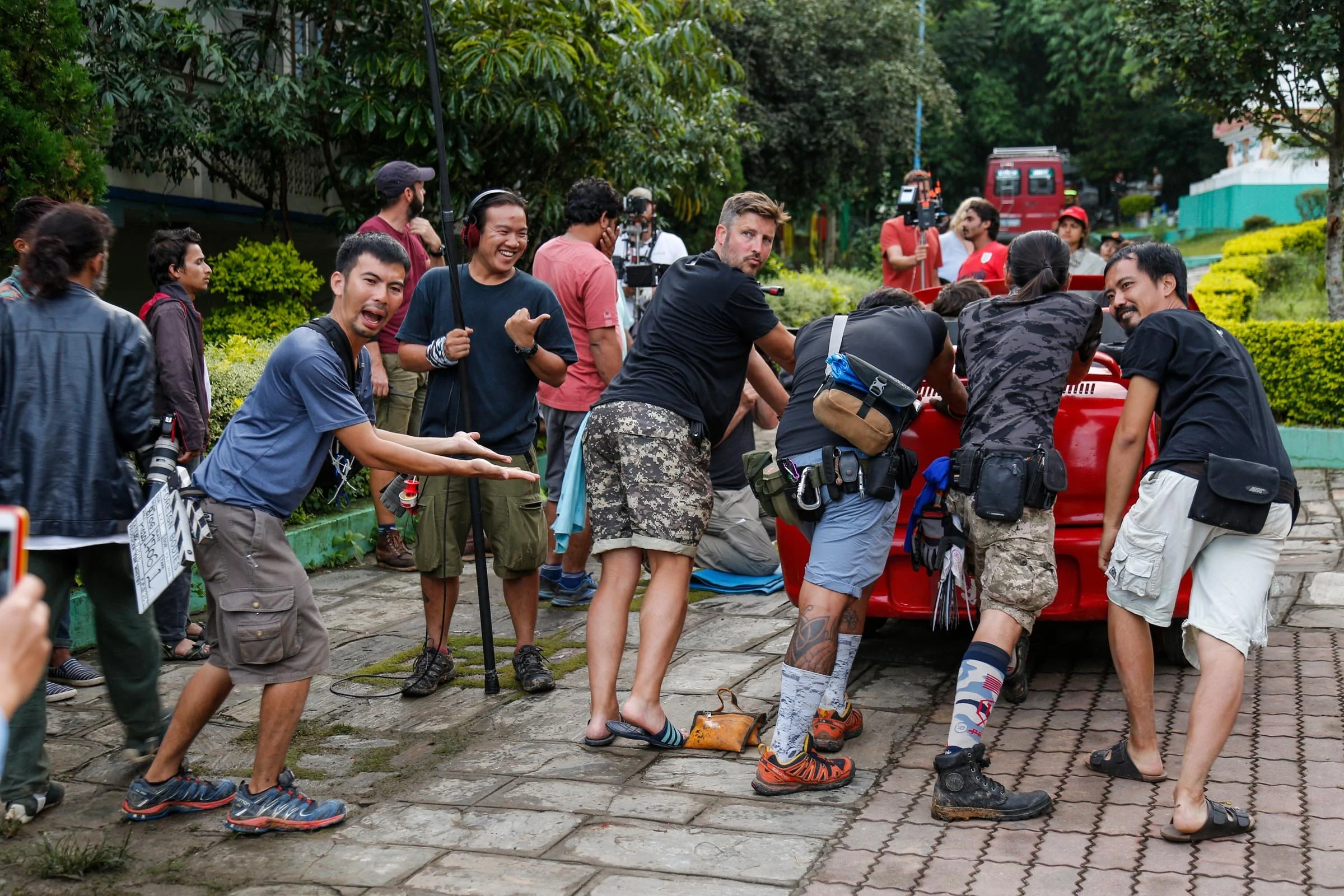
Bringing An International Film Crew To Nepal: What You Need To Know Before You Arrive
Bringing an international film crew to Nepal requires more than flights and accommodation. This practical guide covers permits, local crew, equipment, customs, transport, locations, accommodation, weather and the production realities of working across Nepal.
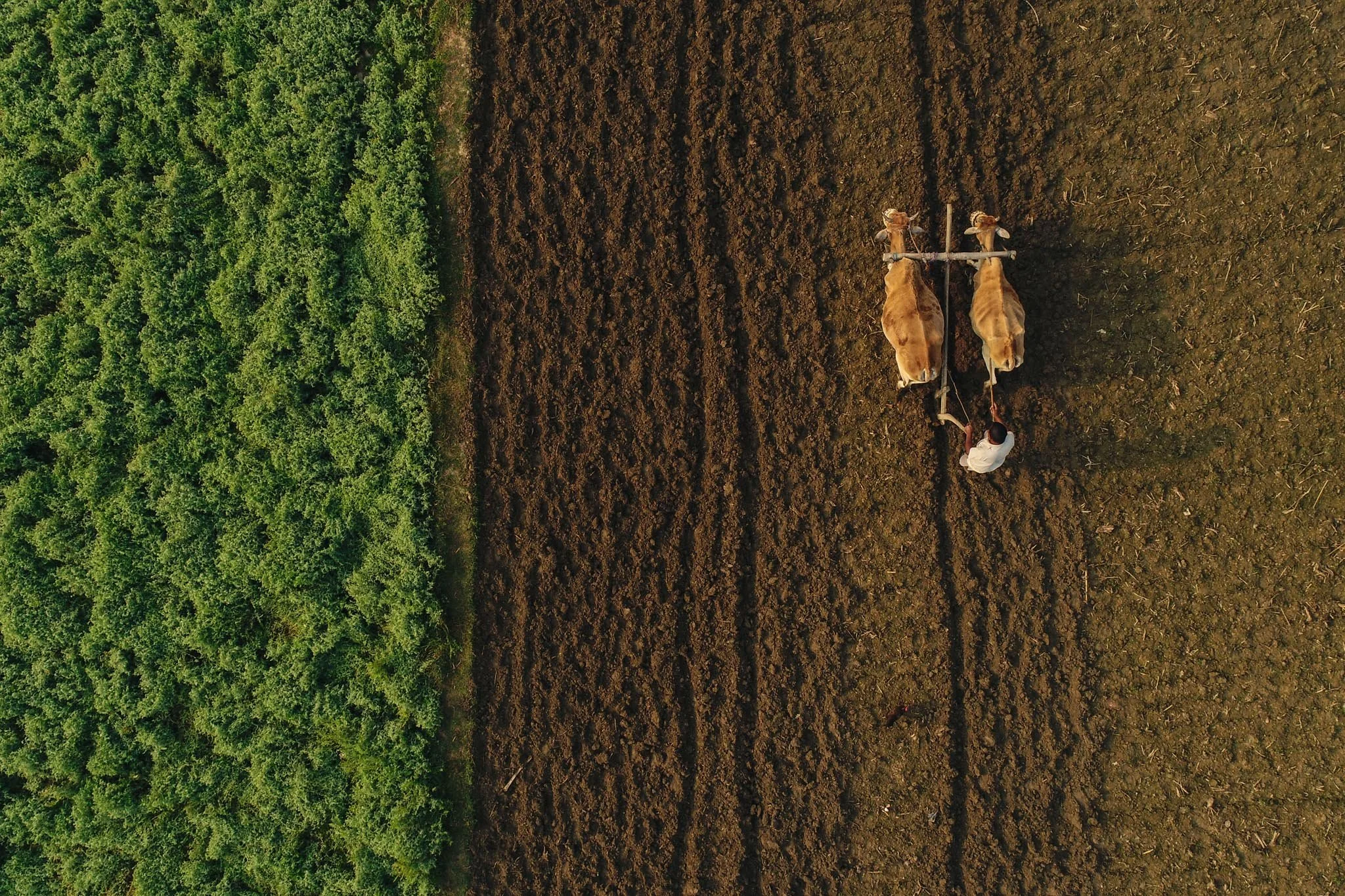
Drone Filming In Nepal: Permissions, Restrictions And Production Planning
Drone filming in Nepal involves aviation, permissions, locations, equipment, weather and production planning. Drawing on more than twenty years of aerial photography and film experience, Location Nepal explains how modern drone and helicopter systems can be used for commercial, feature, documentary, climate and environmental productions.

Filming At High Altitude In Nepal: What Changes When The Location Is Above 4,000 Metres?
Filming above 4,000 metres in Nepal changes almost every part of production. This guide looks at crew, equipment, transport, power, weather, accommodation, safety and the logistics of working in the high Himalayas.
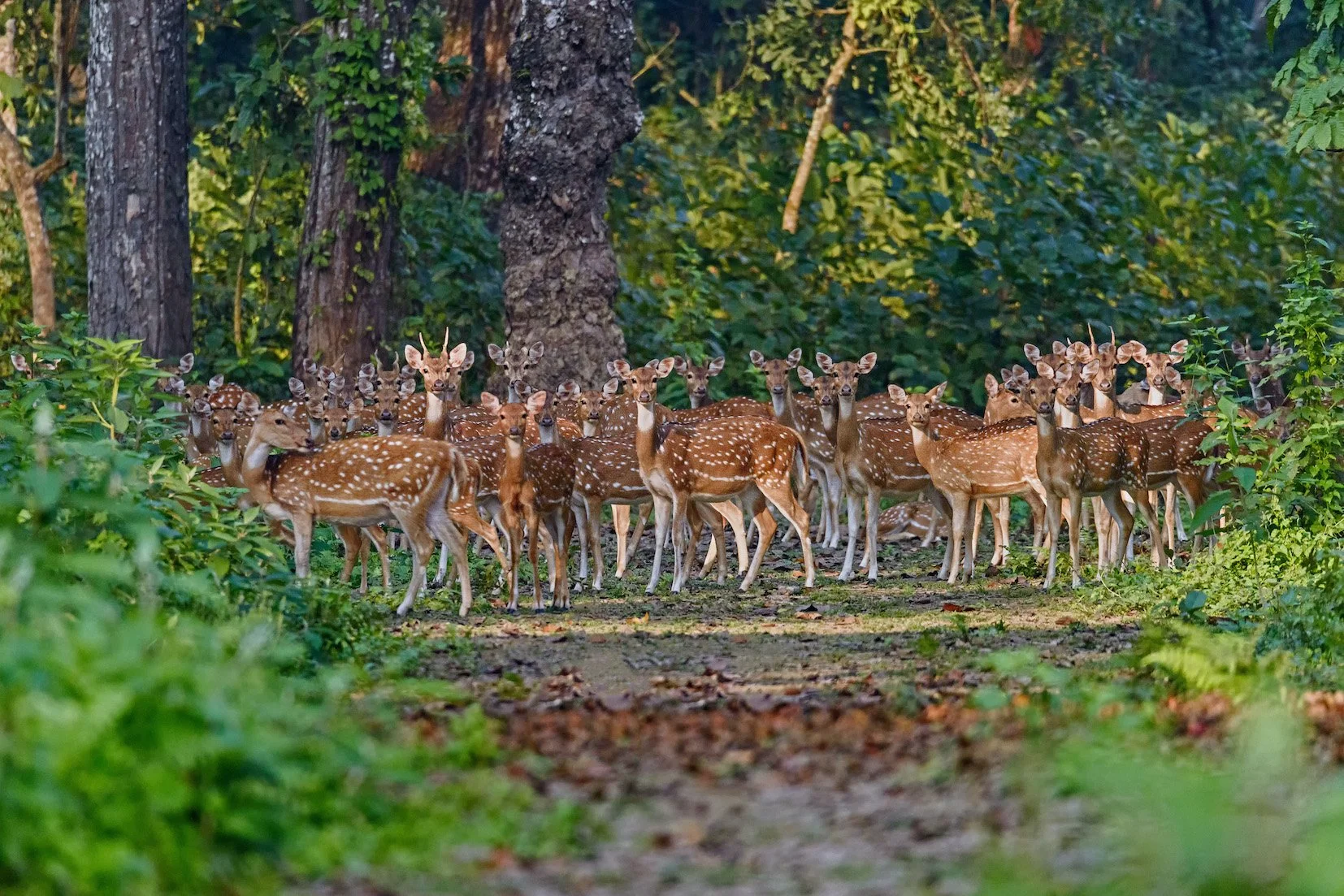
Filming In Nepal’s National Parks And Protected Areas: What Productions Need To Know
Filming in Nepal’s national parks and protected areas involves more than securing a location. This guide covers permits, wildlife, crew movement, equipment, vehicles, seasonal planning and the practical realities of working in protected landscapes.

How To Bring Film Equipment Into Nepal: Customs, Temporary Import And Production Planning
Bringing film equipment into Nepal involves more than getting the cases through the airport. This practical guide explains equipment documentation, temporary import, customs coordination, local rental, preparation and the logistics of moving equipment from Kathmandu to locations across Nepal.

Filming At Heritage Sites In Nepal: What International Productions Need To Know
Heritage sites in Nepal are extraordinary places to film, but they are living places of worship, commerce and community. For international productions, successful filming depends on understanding permits, location access, equipment, crew movement, local calendars and the practical realities of working inside historic places.

How Do You Organise A Film Shoot In Kathmandu?
Kathmandu is where much of Nepal’s production infrastructure comes together, from crew and equipment to casting, studios, transport, permits and locations. The challenge is knowing how to connect those resources properly before the first shooting day.

When Is The Best Time To Film In Nepal?
Ask for the best time to film in Nepal and the easy answer is spring or autumn. The experienced answer is more complicated. Kathmandu, Mustang, Everest, the Terai and the high Himalayas can all behave very differently at the same time of year, and the right season depends on the production you are actually trying to make.
THE BEAUTIFUL PART IS ONLY THE BEGINNING
A great location is only the start. Permits, people, equipment, transport, weather and timing are what turn an idea into a production that actually works.
We have spent years dealing with those details across Nepal, from controlled studio productions to shoots where the nearest road, reliable power or predictable weather can be considerably less certain. The creative idea may begin with a picture, but making that picture happen takes a lot more than finding the right view.
FROM KATHMANDU TO THE HIMALAYAS
Nepal can take a production from historic cities and studios to forests, wildlife reserves, remote villages and high Himalayan landscapes, sometimes within the same project.
We have worked across this extraordinary range for films, television, documentaries, advertising, fashion and photography. Every location has its own character, opportunities and complications, and knowing how to work there is just as important as knowing where to point the camera.
PASSING ON WHAT EXPERIENCE TEACHES
When Gautam Dhimal began learning photography and film production, there was no neatly organised playbook waiting for him. Much of what he knows today came from doing the work, getting things wrong, figuring out why they went wrong, doing it again and slowly learning how to do it better. There were no shortcuts, and often there was nobody to call who could simply explain how things were really done.
That experience shaped a different idea of what expertise should mean. Knowledge becomes far more useful when it is shared, questioned and passed on. Today, Gautam works not only as a photographer and producer, but also as a mentor and guide for the next generation of filmmakers, photographers, actors, models, producers and creative professionals, helping them understand the industry, experience the work and find access to opportunities that may otherwise take years to discover on their own.
That philosophy runs through the stories he tells in Behind The Frame, and through practical learning experiences such as Himalayan Fashion Production and Open Door Himalayan Helicopter Photography. The aim is not simply to teach someone how to operate a camera or survive a production. It is to shorten the distance between learning about the industry and actually becoming part of it.
Read Behind The Frame →
Explore Himalayan Fashion Production →
Discover Open Door Himalayan Helicopter Photography →
EXPERIENCE MATTERS
Production rarely follows the plan exactly. Roads close, weather changes, locations become unavailable and sometimes a perfectly sensible plan becomes considerably less sensible once you are standing there.
Experience means knowing what to anticipate, what can change and where you need a contingency before the problem arrives. It comes from years of working with international productions on the ground, understanding how the different parts of a production affect one another and making decisions when there is no perfect answer.
BRING THE IDEA
You may arrive with a complete script, treatment and production schedule, or simply an idea that you think could work beautifully in Nepal. Both are good places to start.
Tell us what you are making, when you are planning to come and what you need Nepal to do for the story. We can then start working through locations, permissions, crew, equipment, transport and the practical details that will make the production possible.